comicbooks.com Join Free
Home › Sheldon Mayer
Creator

Sheldon Mayer

cover pencilscover inkswriterartistinkerletterer
Sheldon Mayer
Known forMutt & Jeff
Issues credited227
Active1936–2012
Primary rolecover pencils
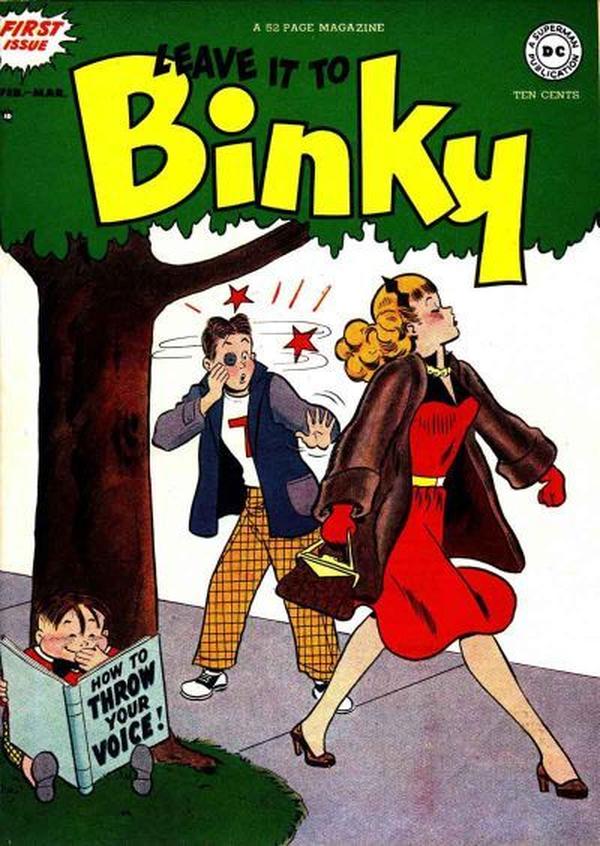
Leave It to Binky #1
Leave It to Binky #1 (1948)

Born on April 1, 1917, in New York, Sheldon Mayer spent virtually his entire career at the publisher that grew from Major Malcolm Wheeler-Nicholson's National Allied Publications into what the world would come to know as DC Comics. He died on December 21, 1991.
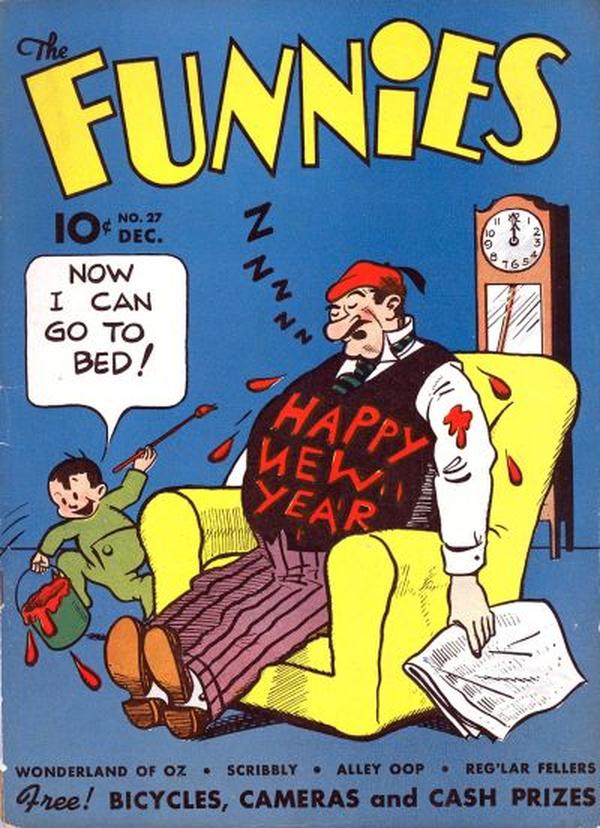
The Funnies #2
The Funnies #2 (1936)

Mayer came aboard as one of the company's earliest employees, working across multiple roles — artist, writer, inker, and letterer — and his credits span an active stretch from 1936 into the early 2010s across more than 220 issues. He is perhaps best remembered for recognizing the potential of a rejected Superman newspaper strip submission and pulling it back from the rejection pile, a decision that helped set the entire superhero genre in motion.
The Funnies #3
The Funnies #3 (1936)

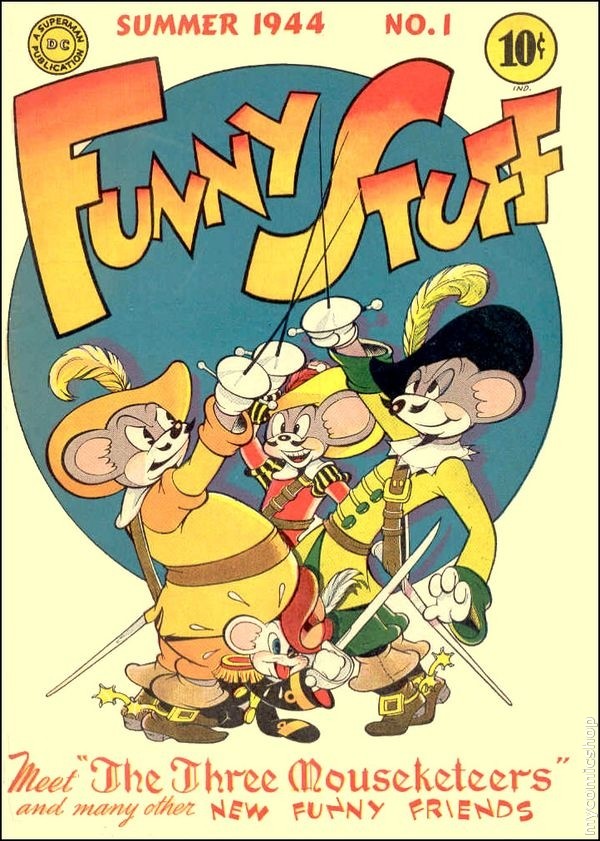
His own creative work tended toward the humorous and the warmly human rather than the superheroic. The long-running *Sugar & Spike*, a gentle comedy built around two pre-verbal infants who communicate with each other in their own private language, stands as his most distinctive achievement. He also contributed substantially to titles including *Scribbly*, *The Three Mouseketeers*, and *Mutt & Jeff*.
The Funnies #4
The Funnies #4 (1937)

The industry recognized Mayer's contributions posthumously, inducting him into the Jack Kirby Hall of Fame in 1992 and the Will Eisner Comic Book Hall of Fame in 2000 — acknowledgments of a career defined more by quiet craftsmanship than by flashy self-promotion.

Full bibliography · 67 series

The Three Mouseketeers (1956) · 16
Scribbly (1948) · 15
Sal y Pimienta (1965) · 13
Funny Stuff (1944) · 12
The Best of DC (1979) · 10
Popular Comics (1936) · 7
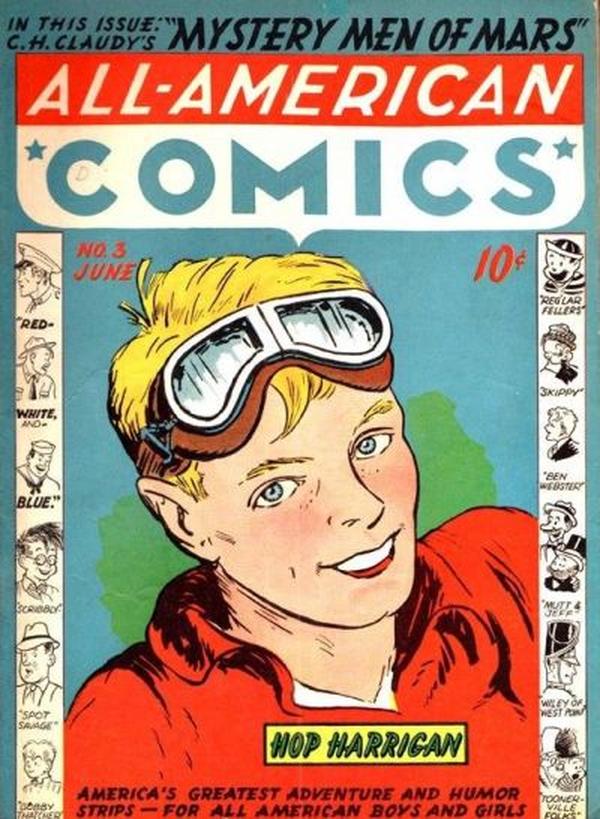
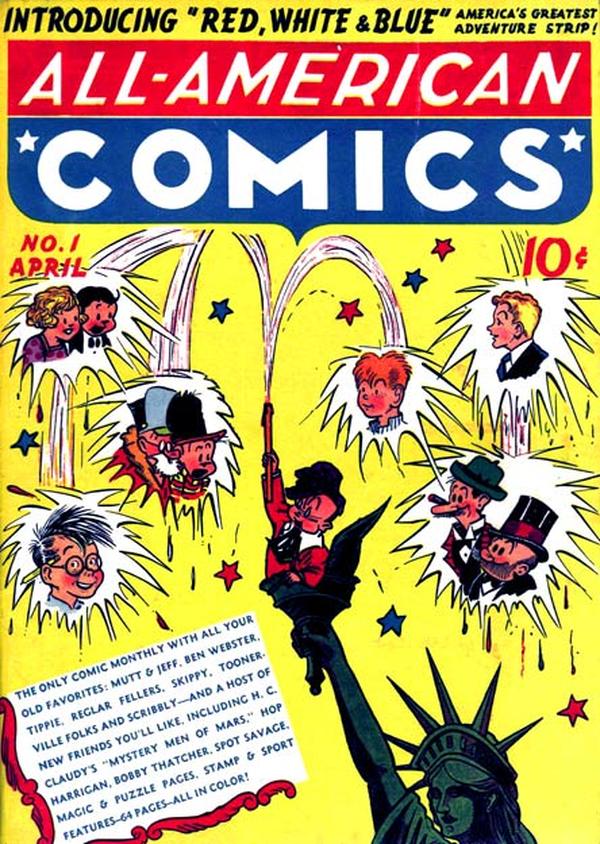
All-American Comics (1939) · 7
Leave It to Binky (1948) · 6
Weird War Tales (1971) · 6
The Raccoon Kids (1954) · 5
Secrets of Sinister House (1972) · 4
Limited Collectors' Edition (1972) · 4
Storklas och Lillklas (1956) · 4
Leading Screen Comics (1950) · 3
Comic Cavalcade (1942) · 3
Peter Porkchops (1949) · 3
Bib et Zette (1963) · 3
Bosse och Bettan (1963) · 3
Foxie (1956) · 3
House of Secrets (1956) · 3
The Comics (1937) · 2
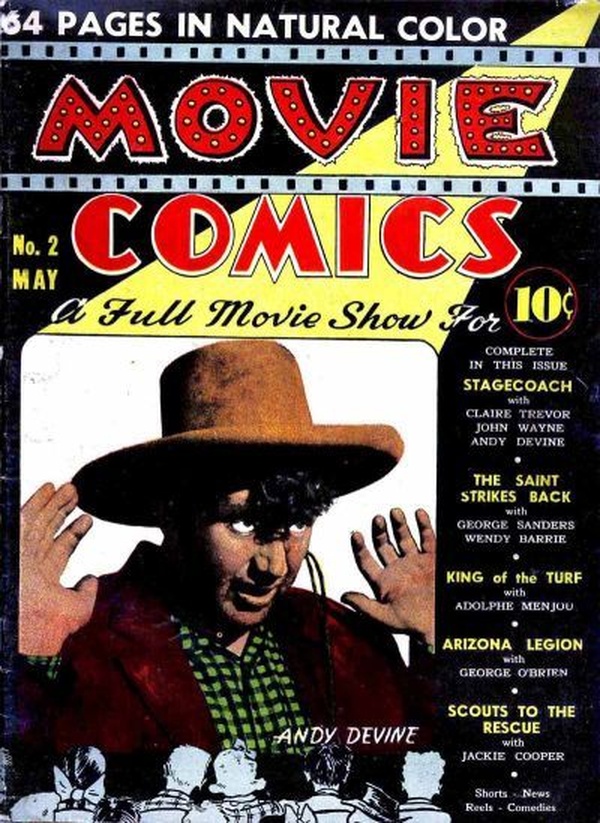
Movie Comics (1939) · 2
Funny Folks (1946) · 2
Buzzy (1944) · 2
Hollywood Funny Folks (1950) · 2
Weird Mystery Tales (1972) · 2
Adventure Comics (1938) · 2
House of Mystery (1951) · 2
Horror (1972) · 2
The Amazing World of DC Comics (1974) · 2
All New Collectors' Edition (1978) · 2
All Star Comics Archives (1991) · 2
The Comics Magazine (1936) · 1
#2
Green Lantern (1941) · 1
#8
All-Star Comics (1940) · 1
#36
Movietown's Animal Antics (1950) · 1
#40
Real Screen Comics (1945) · 1
#70
Nutsy Squirrel (1954) · 1
#62
The Dodo and the Frog (1954) · 1
#83
It's Gametime (1955) · 1
#4
The Fox and the Crow (1951) · 1
#60
Flippity & Flop (1951) · 1
#47
Big Boss (1960) · 1
#50
Wonderful World for Boys and Girls [ashcan] (1964) · 1
#1
Lajban & Co (1972) · 1
#3
Shock Classics (1972) · 1
#27
Marvila, la Mujer Maravilla (1955) · 1
Skrækmagasinet (1972) · 1
Skrekk Magasinet (1972) · 1
Brûlant (1967) · 1
#38
Comics Buyer's Guide (1983) · 1
Iskalde Grøss (1982) · 1
DC Silver Age Classics Sugar and Spike 99 (1992) · 1
Great American Comic Books (2001) · 1
Sugar and Spike No. 1 Replica Edition (2002) · 1
#1
DC Comics Rarities Archives (2004) · 1
#1
The JSA All Stars Archives (2007) · 1
#1
The Right Way to Draw Batman (2009) · 1
The Sugar and Spike Archives (2011) · 1
#1
The Bible (2012) · 1
Adventures of Big Boy (1976) · 1
#67
Fox and Crow (1970) · 1
#27
Fox und Flax (1972) · 1
#15
Tales from Space (2014) · 1
#8

Original biography and editorial content © comicbooks.com™. Information drawn in part from Wikipedia and the Grand Comics Database. Portrait by Rarmin / Wikimedia Commons (CC BY-SA 3.0). Cover thumbnails shown under fair use, each linking to its issue.