comicbooks.com Join Free
Home › Exhibition

A comicbooks.com exhibition

Before the Comic Book

How a brand-new American art form was born — invented in newspaper pages, dreamed into fine art, taught to move, and pressed into the world's conscience — in the half-century before Superman.

6 galleries · 49 restored artifacts · every one public domain

In June of 1938, a caped strongman in red and blue hoisted a green sedan over his head on the cover of Action Comics #1, and the world would later say the comic book was born. It is a good story. It is also incomplete.

An Invention Decades in the Making

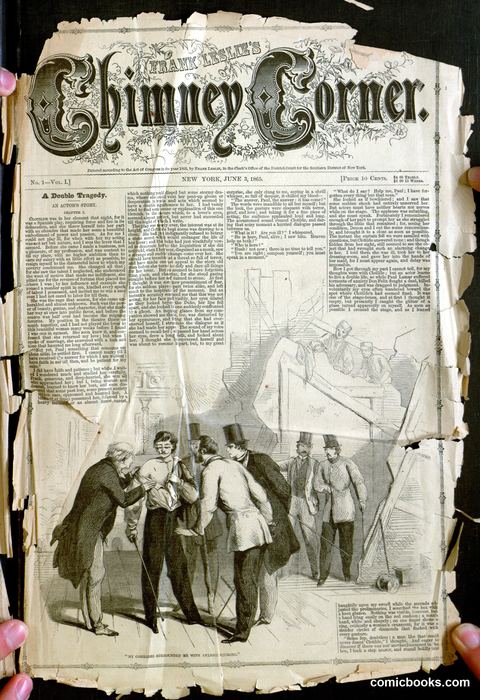
The American comic book did not fall from the sky. It was assembled—slowly, ingeniously, and by many hands—over nearly half a century. Every element that made Superman possible already existed, scattered across newsprint, movie screens, gallery walls, and the pages of satirical journals. The panel and the speech balloon came from the funny pages. The disciplined draftsmanship came from illustrators who treated the comic strip as fine art. The sense of motion came from the animators. The cliffhanger and the costumed hero came from adventure serials. And the oldest ingredient of all—the willingness to draw the powerful in order to puncture them—came from the ancient art of caricature. This exhibition traces that assembly, gallery by gallery.

Six Galleries, One Origin Story

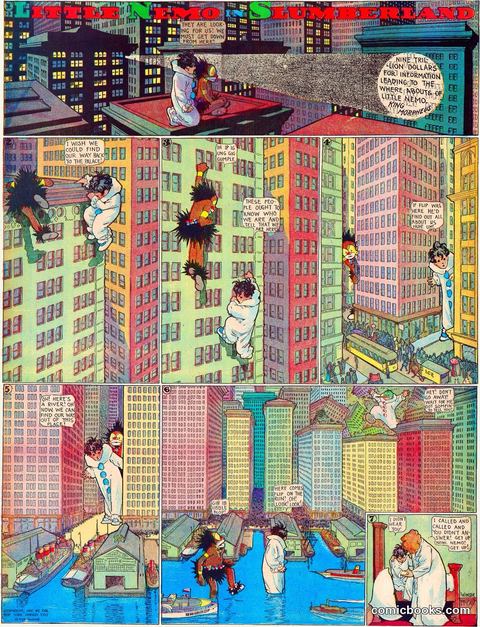
We begin with The First Funnies, where 1890s newspapers loosed the Yellow Kid and the Katzenjammer Kids on a growing nation. In The Dreamers, Winsor McCay's Little Nemo shows the comic strip reaching for beauty. Comics Learn to Move follows that same pen as it helps birth American animation with Gertie the Dinosaur. The Adventurers gathers the trailblazers of the 1920s—Popeye, Buck Rogers, Tarzan, and the incomparable Krazy Kat—who taught the form to carry story and wonder. The Cartoon Conscience steps back to honor the satirists—Gillray, Daumier, Nast—whose caricatures gave comics their nerve. And in The Golden Age Dawns, the pieces finally lock together into the comic book itself, closing with Will Eisner's PS Magazine. Walk these rooms in order and you will watch an art form invent itself.

Every artifact in this exhibition is in the public domain—freely shown here, carefully restored, and preserved for the future. That is no accident. It is the heart of comicbooks.com's mission: to be the cultural home and living archive of the medium, so that the works which made the comic book possible can belong, again, to everyone.

The First Funnies
Gallery 1 · 1895–1906 The First Funnies Two newspaper titans, one bald kid, and the accidental birth of comics. 7 artifacts →
The Dreamers
Gallery 2 · 1905–1915 The Dreamers When the funny pages dreamed in full color, and a boy named Nemo taught the comic to fly. 6 artifacts →
Comics Learn to Move
Gallery 3 · 1911–1922 Comics Learn to Move When the funny-page artists made their drawings breathe—and the comic strip taught pictures how to move. 7 artifacts →
The Adventurers
Gallery 4 · 1918–1929 The Adventurers The decade comics grew up: continuity, adventure, and the first heroes to point straight at the comic book. 9 artifacts →
The Cartoon Conscience
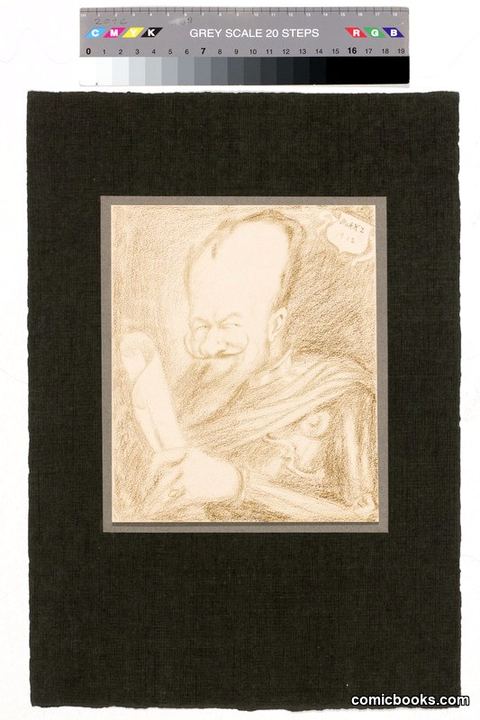
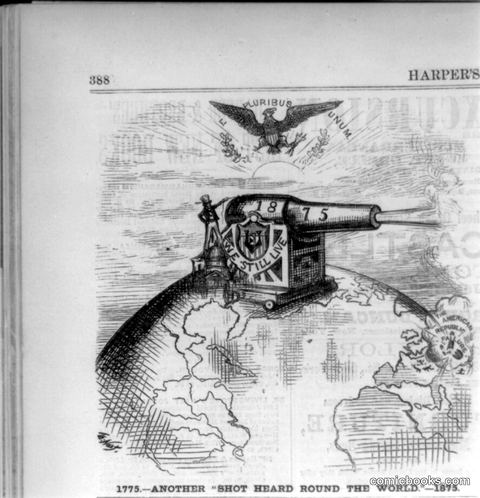
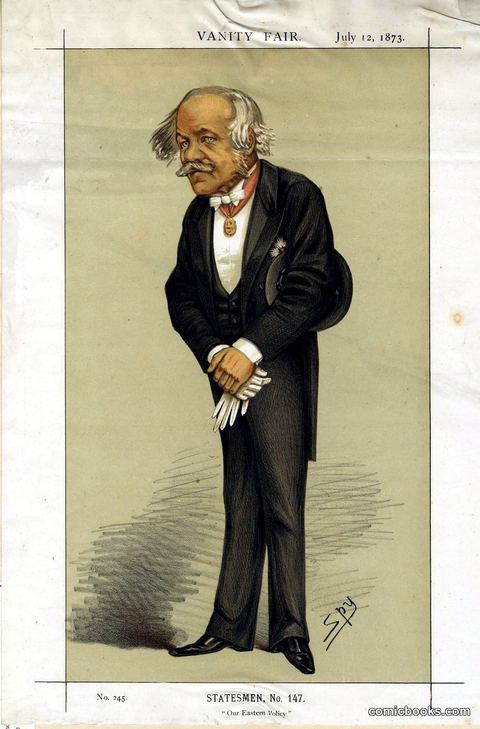
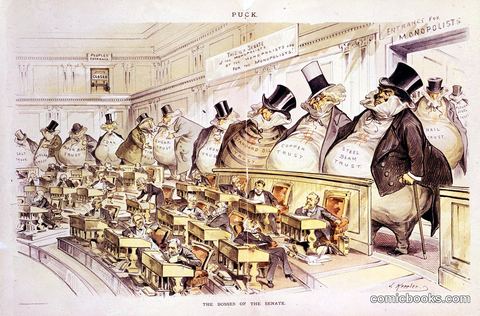
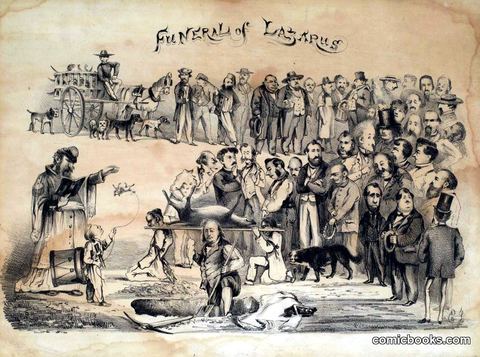
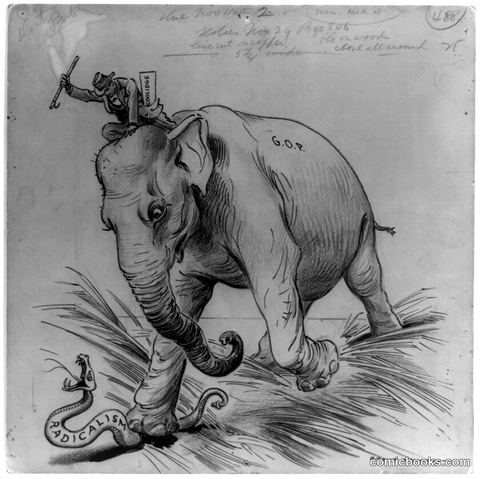
Gallery 5 · 1805–1912 The Cartoon Conscience Before comics entertained, cartoons could topple a king—or a boss. 8 artifacts →
The Golden Age Dawns
Gallery 6 · 1934–1971 The Golden Age Dawns The newsstand catches fire: how a folded-over freebie became the American comic book—and why so much of that Golden Age is now yours to read for free. 12 artifacts →

A timeline of the first comics

  1. 1832The Paris satirical journal Le Charivari launches, giving Honoré Daumier a platform to sharpen political caricature into popular art.
  2. 1843Britain's Punch magazine popularizes the modern sense of the word 'cartoon' for a humorous or satirical drawing.
  3. 1871Thomas Nast's Harper's Weekly cartoons help topple New York's corrupt Tweed Ring, proving the political power of caricature.
  4. 1895Richard Outcault's Yellow Kid debuts in the New York World, a landmark of the American newspaper comic strip.
  5. 1897Rudolph Dirks launches The Katzenjammer Kids, one of the earliest American strips built on recurring characters and continuing panels.
  6. 1905Winsor McCay's Little Nemo in Slumberland begins in the New York Herald, elevating the comic strip toward fine art.
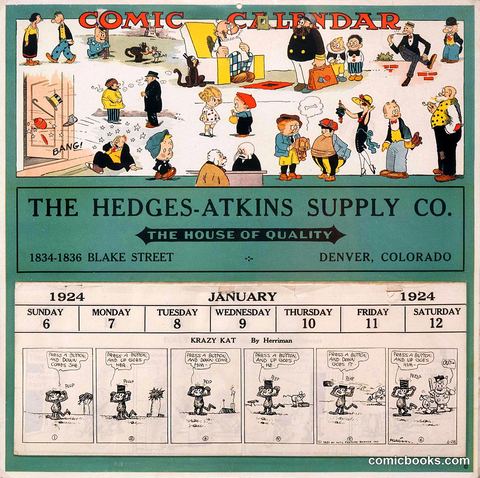
  7. 1913George Herriman's Krazy Kat begins its run, later hailed as a poetic masterpiece of the comics form.
  8. 1914Winsor McCay premieres Gertie the Dinosaur, a pioneering animated film drawn by the comic-strip artist's own hand.
  9. 1924Harold Gray's Little Orphan Annie debuts, helping establish the continuity-driven adventure strip.
  10. 1929Buck Rogers launches as a comic strip, bringing science-fiction adventure to America's newspaper pages.
  11. 1929Hal Foster illustrates the first Tarzan strip, pioneering realistic adventure illustration in the comics.
  12. 1929E.C. Segar introduces Popeye the Sailor into his Thimble Theatre newspaper strip.
  13. 1931Chester Gould's Dick Tracy brings hard-boiled crime drama to the daily comic strip.
  14. 1934Famous Funnies reaches newsstands, widely regarded as the first modern American comic book.
  15. 1934Alex Raymond's Flash Gordon debuts, its lavish artwork defining the golden age of adventure strips.
  16. 1937Detective Comics launches, the anthology title that would give DC Comics its name.
  17. 1938Action Comics #1 introduces Superman by Jerry Siegel and Joe Shuster, igniting the Golden Age of comic books.
  18. 1939Batman debuts in Detective Comics #27, created by Bob Kane and Bill Finger.
  19. 1940Will Eisner's The Spirit begins, expanding the artistic ambitions of the comic-book form.
  20. 1941Captain America and Wonder Woman debut as costumed heroes flourish during wartime.
  21. 1951Will Eisner launches PS, The Preventive Maintenance Monthly, applying comics to U.S. Army instruction.

Why the Public Domain Matters

The works in this exhibition survived for a simple, sturdy reason: they entered the public domain. Copyright expired, and what might have been locked away or lost instead became a shared inheritance—free to be reprinted, studied, restored, and loved. Much of this heritage came close to vanishing. Newsprint yellows and crumbles, early films decay, forgotten titles are thrown away. The public domain is what gives these fragile things a second life.

That is the work we do. comicbooks.com restores these pages from the best surviving sources, preserves them in a living digital archive, and shows them here for anyone, anywhere, at no cost. And we are not finished. A vast Golden Age of comics has slipped into the public domain through lapsed and unrenewed copyrights—thousands of titles waiting to be identified, confirmed, and freed for everyone to read again.

Every restored page is a small act of rescue. Thank you for walking these galleries with us—and for helping keep the story of the comic book alive.