

Power Girl
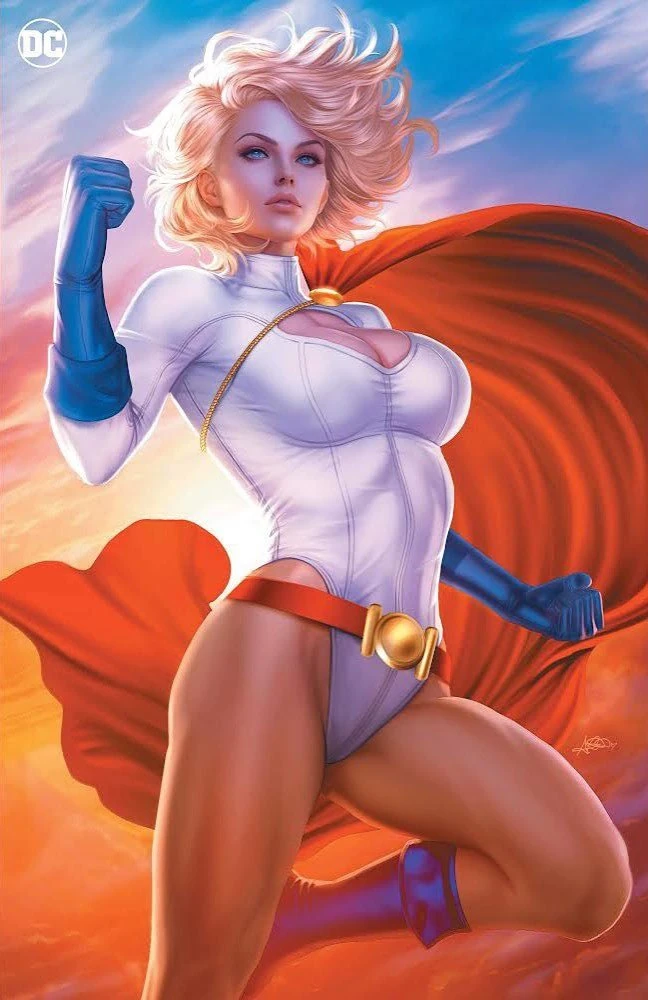
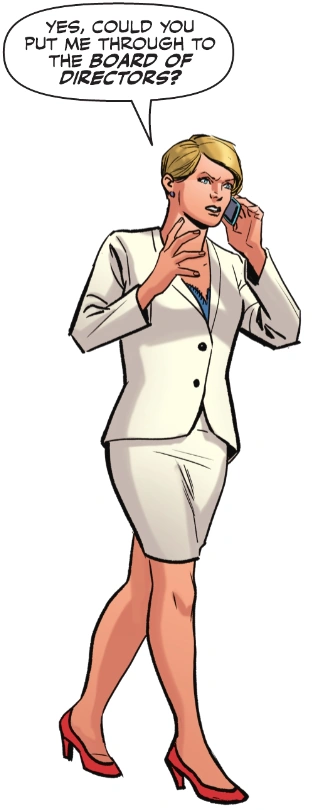
Kara Zor-L is the Earth-Two counterpart of Supergirl — Superman's cousin, who escaped Krypton's destruction as an infant and was sent to Earth in a rocket. Arriving older than her cousin due to a longer journey, she adopted the identity of Karen Starr and became Power Girl, a founding hero of the Justice Society of America.
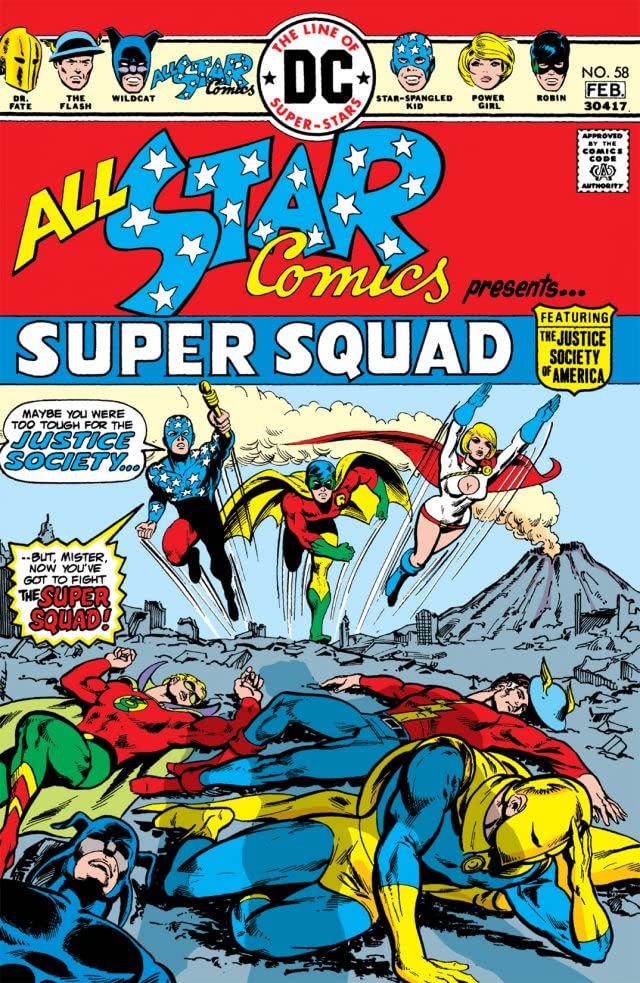
Few characters embody the ambition and energy of Bronze Age DC quite like Power Girl, who burst onto the scene in All-Star Comics #58 in 1976, courtesy of Gerry Conway and Ric Estrada. Over a remarkable fifty-year publishing history spanning 220 catalogued appearances, she has grown from debut sensation to one of DC's most enduring figures, racking up nine key issues that any serious collector will want to track down. Her world is unmistakably DC's finest — she shares pages with the likes of Superman, Batman, The Flash, and their civilian counterparts Bruce Wayne and Clark Kent — and her deepest roots run through Justice League Europe, Justice League of America, and Infinity, Inc., a résumé that speaks to a character trusted across generations of storytelling. Whether you're a longtime fan or just discovering her, Power Girl is exactly the kind of character who rewards attention.
Real name. Kara Zor-L (alias Karen Starr)
Powers. Kryptonian powers: super-strength, flight, invulnerability, super-speed, heat vision, freeze breath, enhanced senses (powered by Earth's yellow sun).
Trivia
- Power Girl was deliberately stripped of a visible S-shield for years because DC wanted her to read as a distinct hero rather than a derivative Superman sidekick.en.wikipedia.org
- Her infamous boob-window costume was not a later gimmick but part of her original design, and it became one of the longest-running examples of comics trying to balance sex appeal with superhero branding.en.wikipedia.org
- In the 1980s, DC gave her a wildly different non-Kryptonian origin involving Atlantis and magic, one of the most confusing identity retcons in mainstream superhero comics history.en.wikipedia.org
- After Crisis on Infinite Earths, Power Girl spent years as a character whose memories and backstory were repeatedly rewritten, making her one of DC's clearest examples of the company's multiverse-reboot fallout.en.wikipedia.org
- Keith Giffen has written more of Power Girl's comics than any other writer in our catalog — 27 issues.
Top series
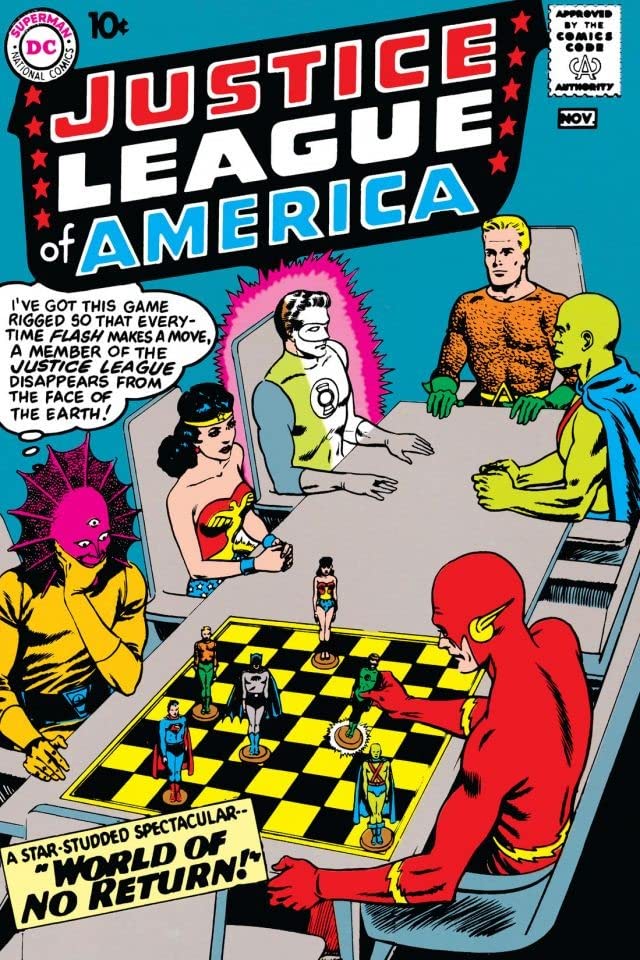
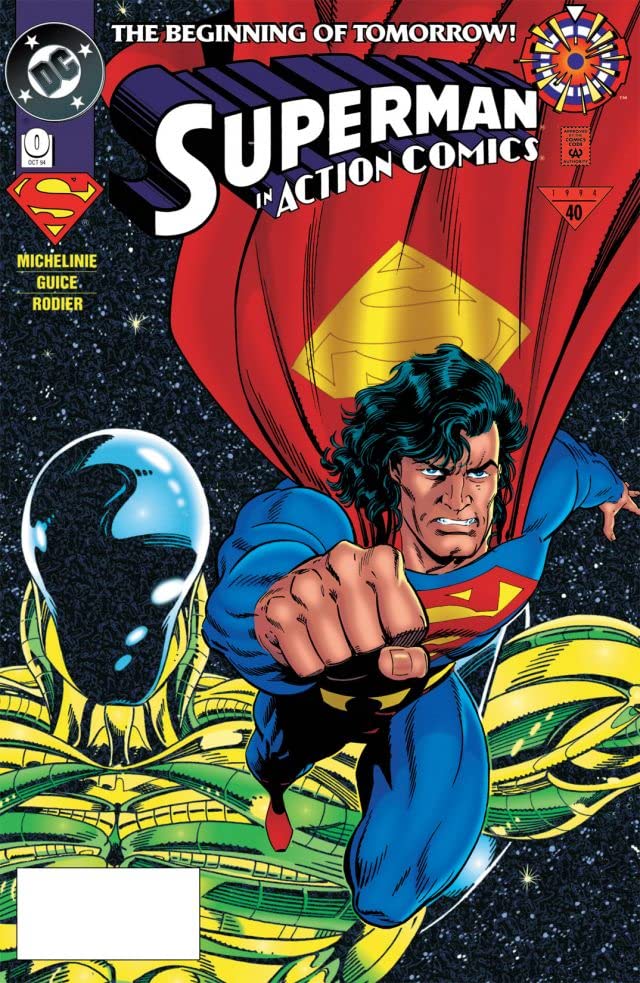
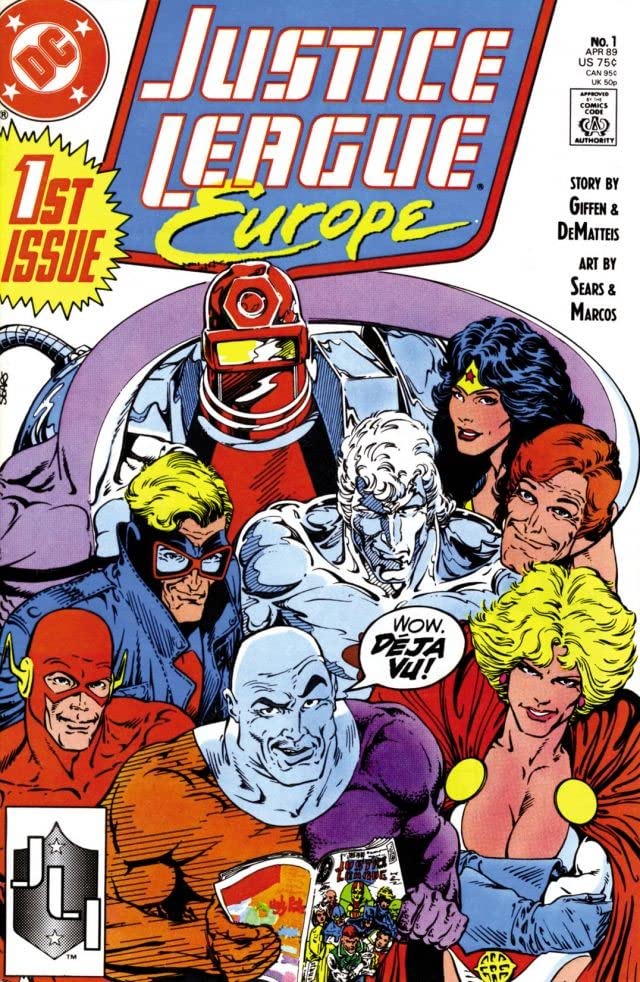
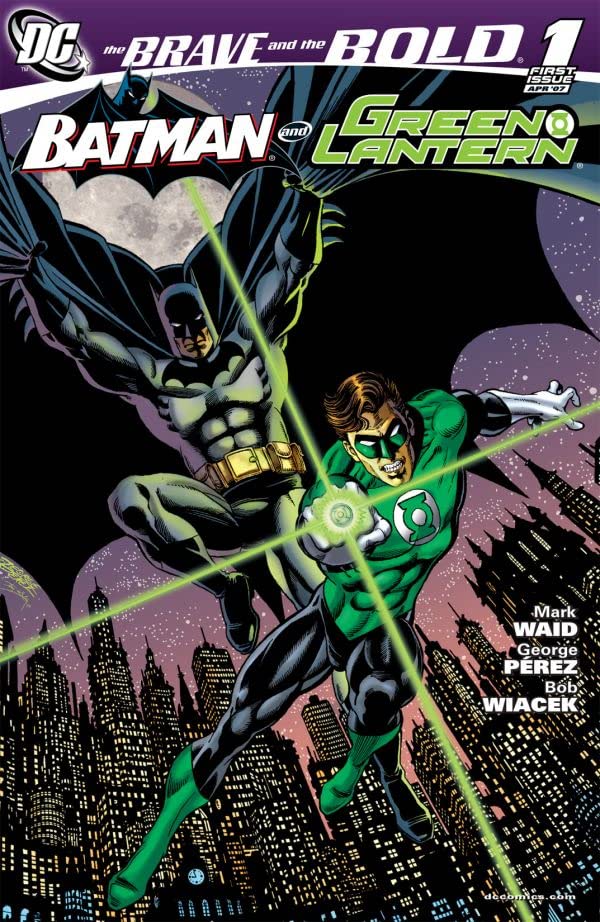
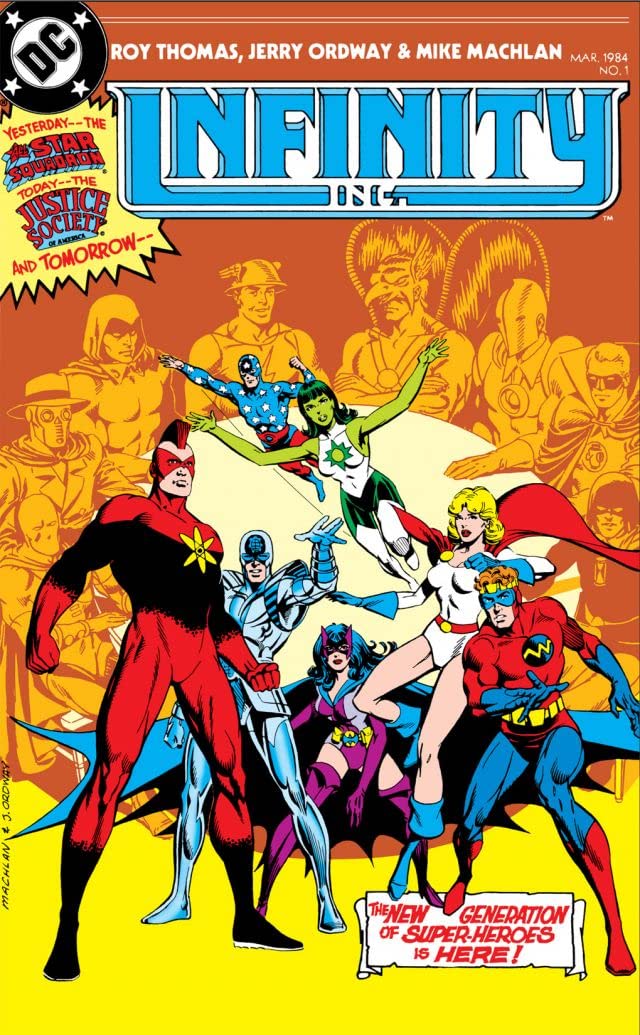
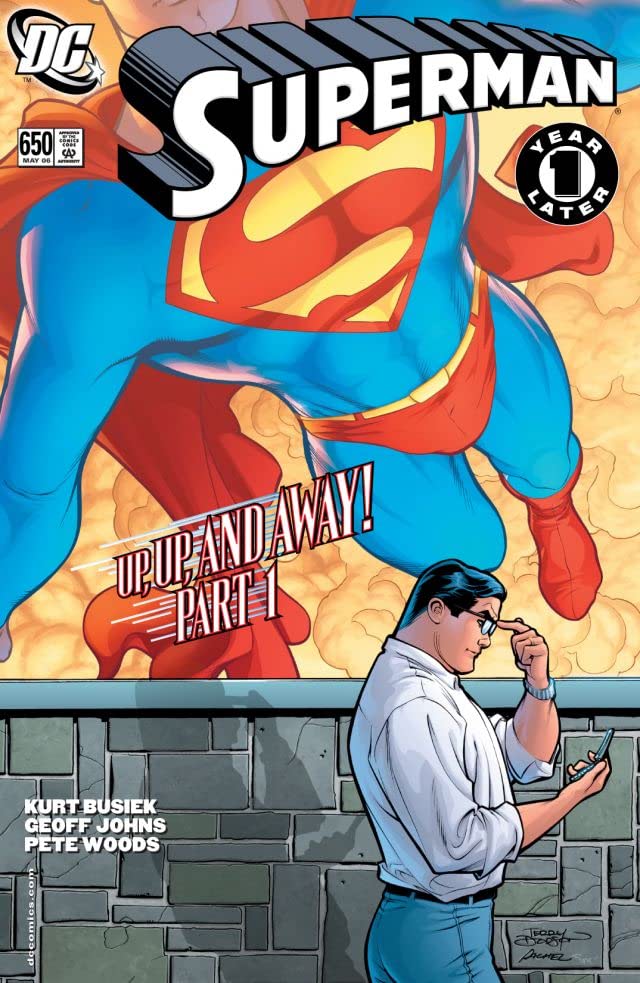
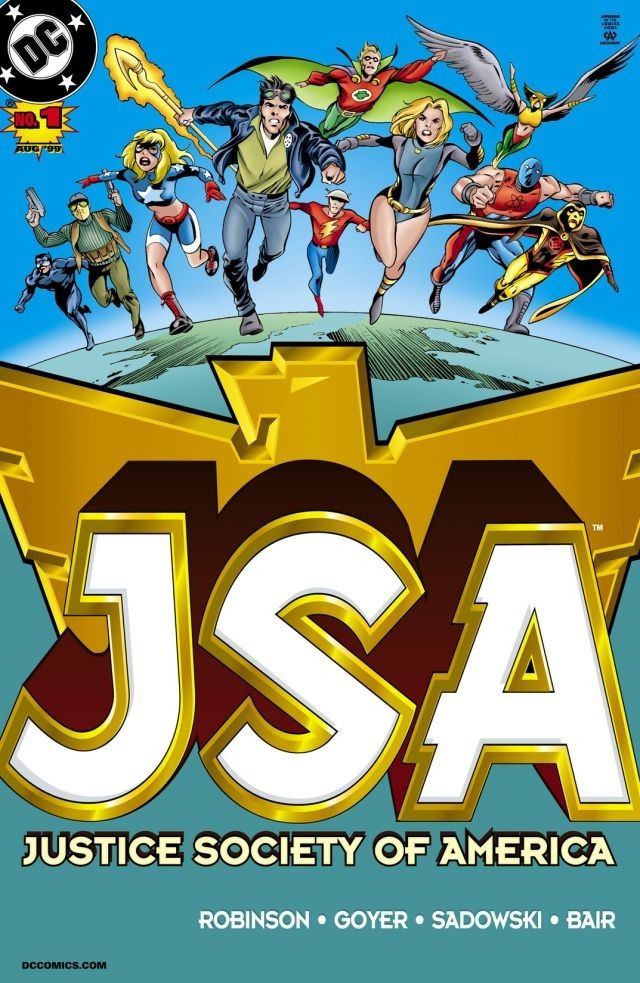
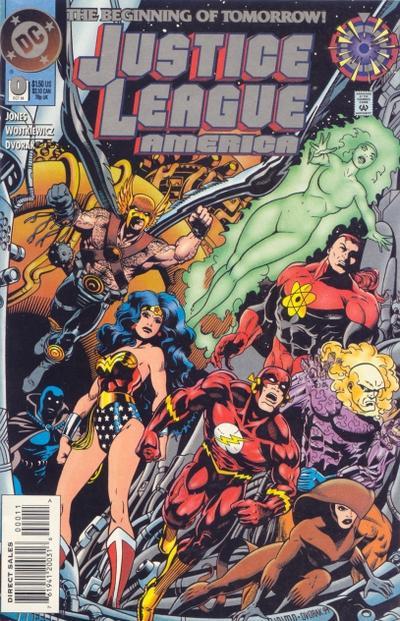
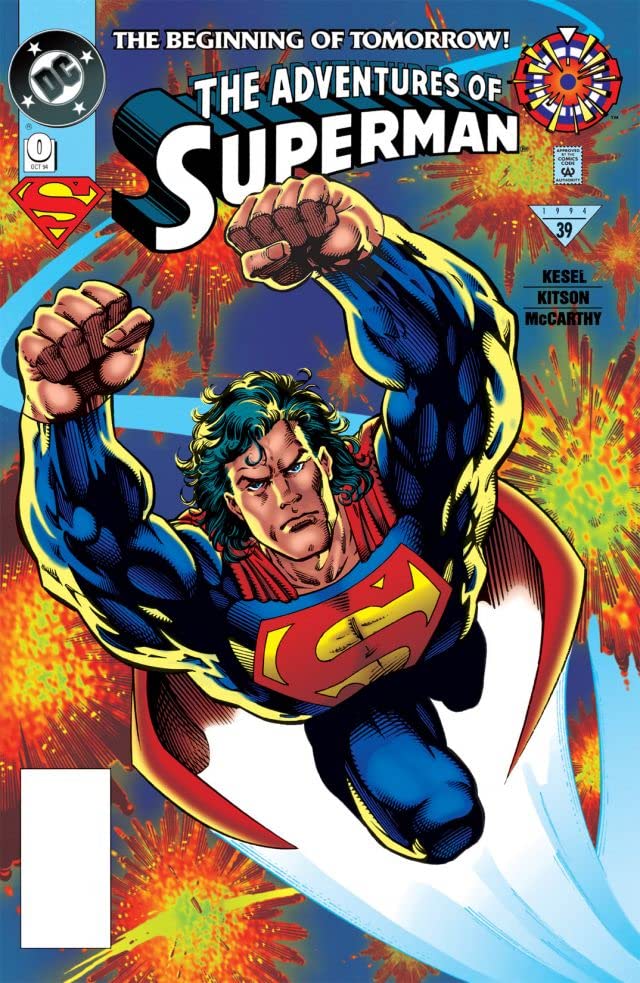
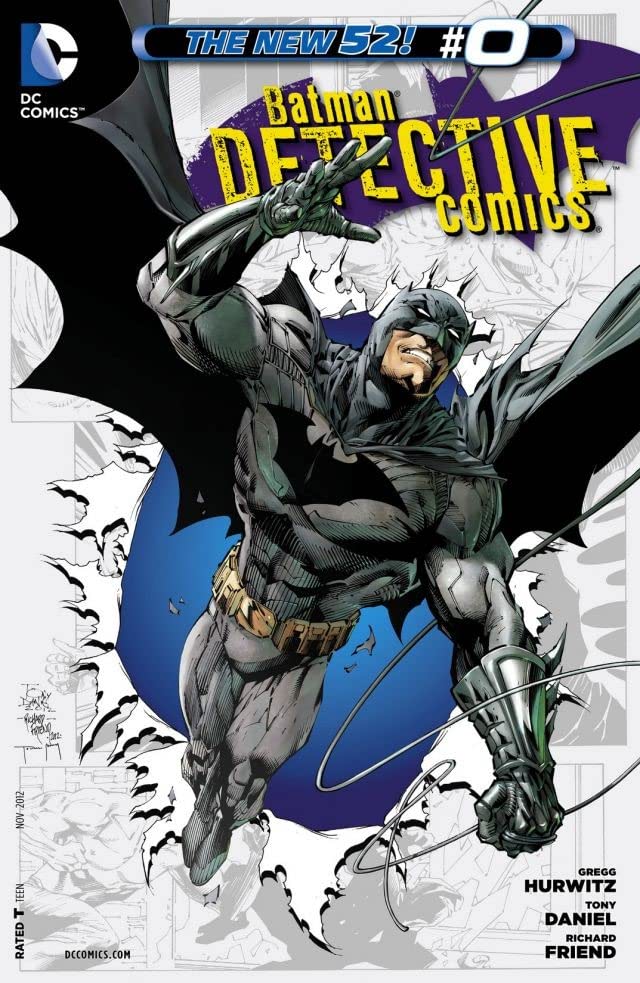
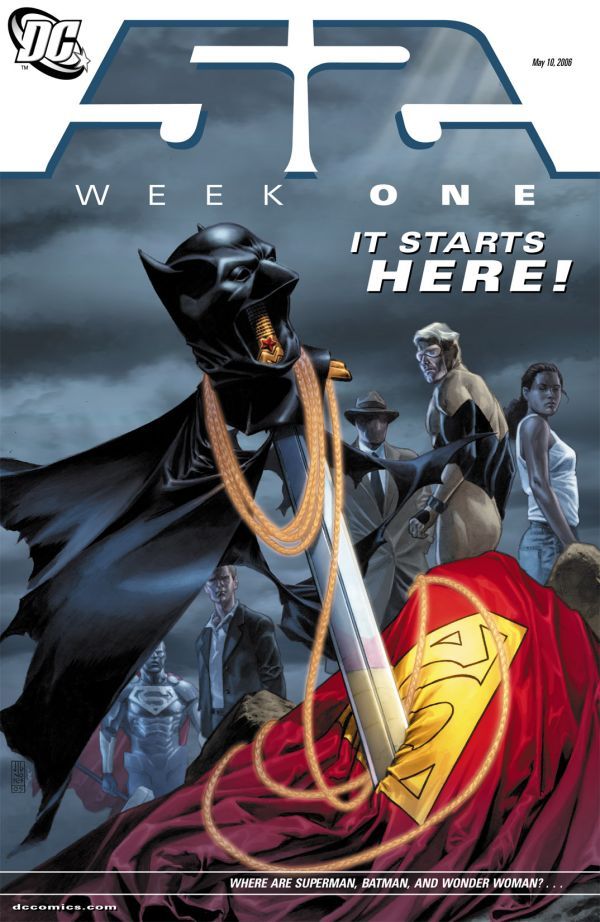
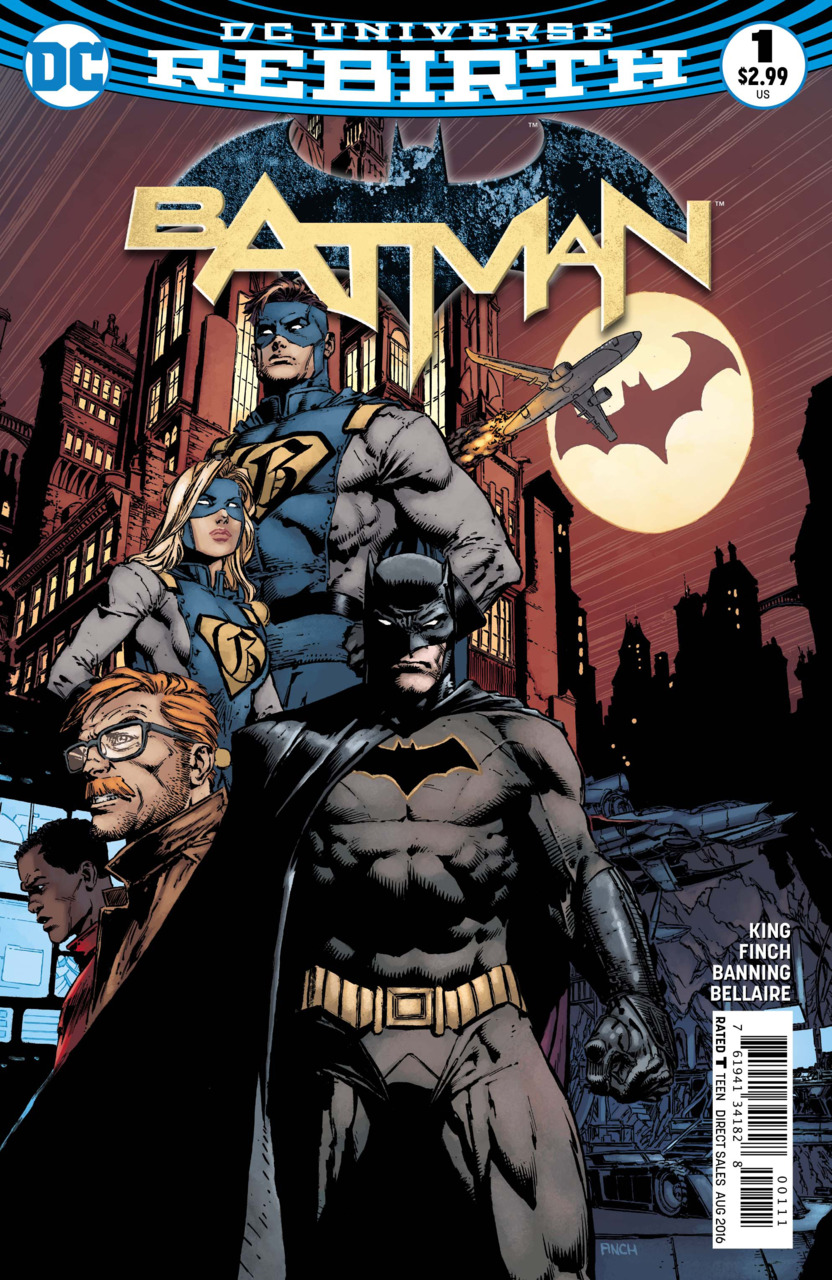
Covers through the years — 1976–2023
★ 1976 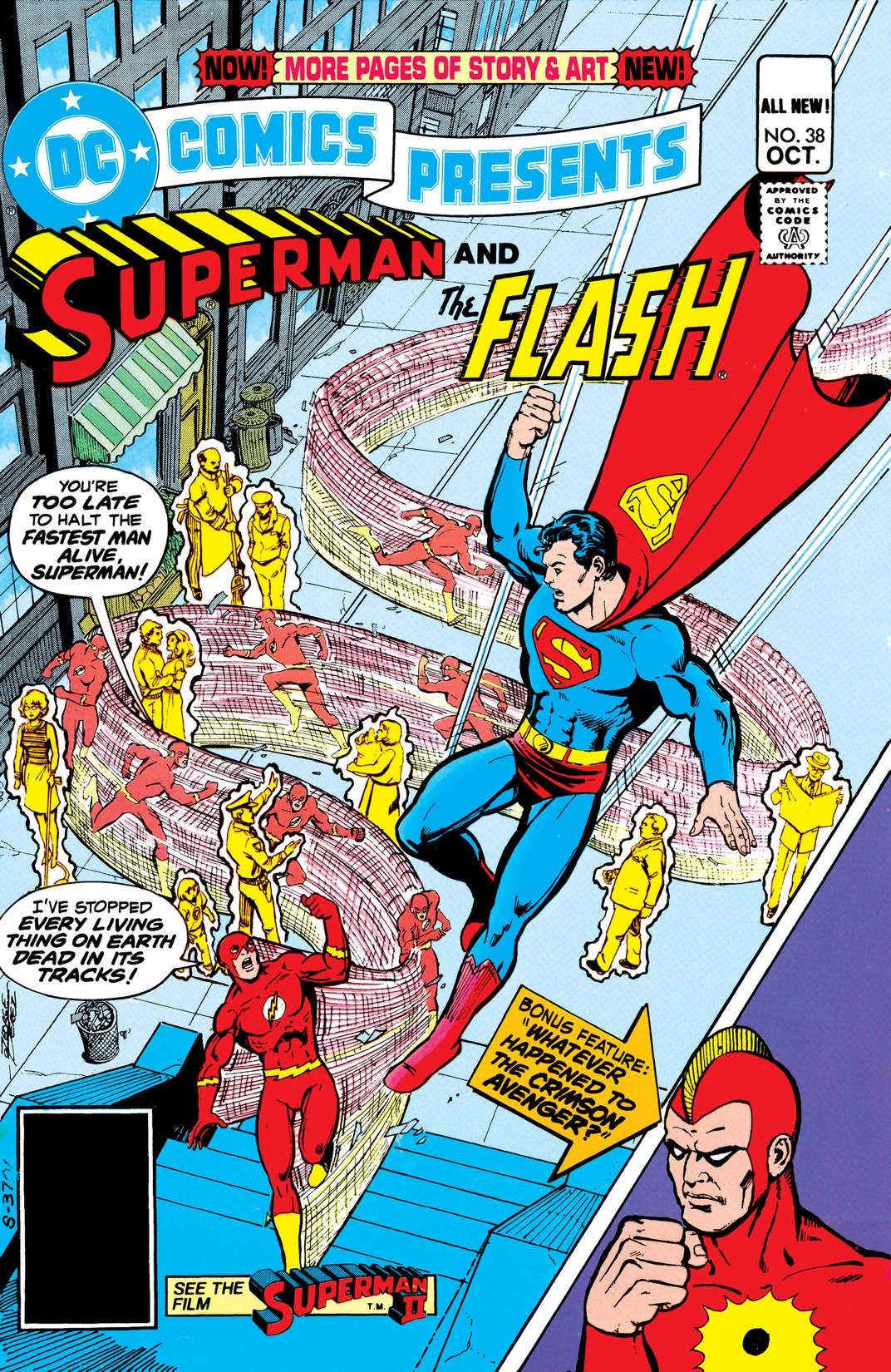 ★ 1981
 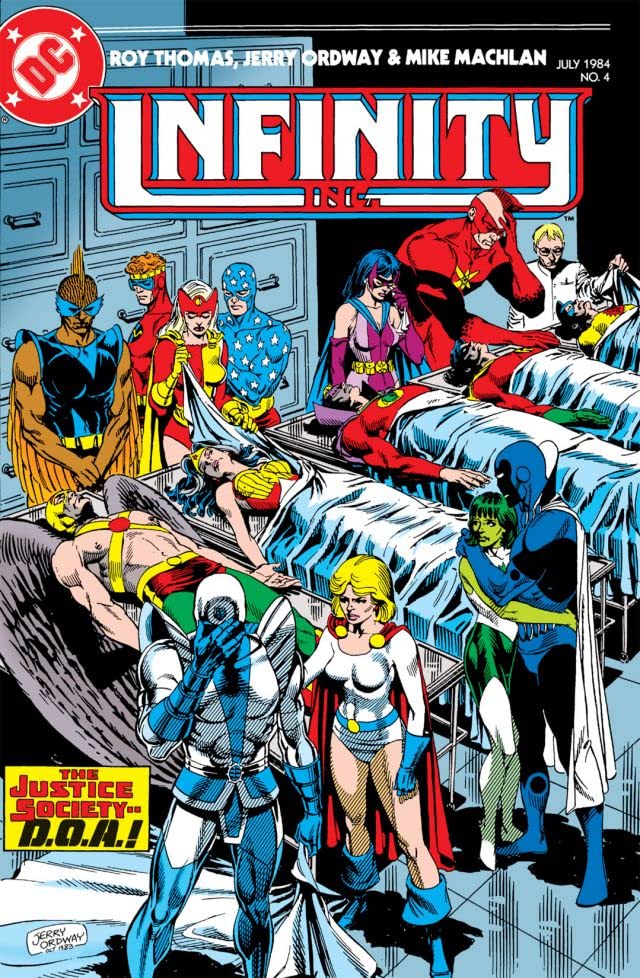 ★ 1984
 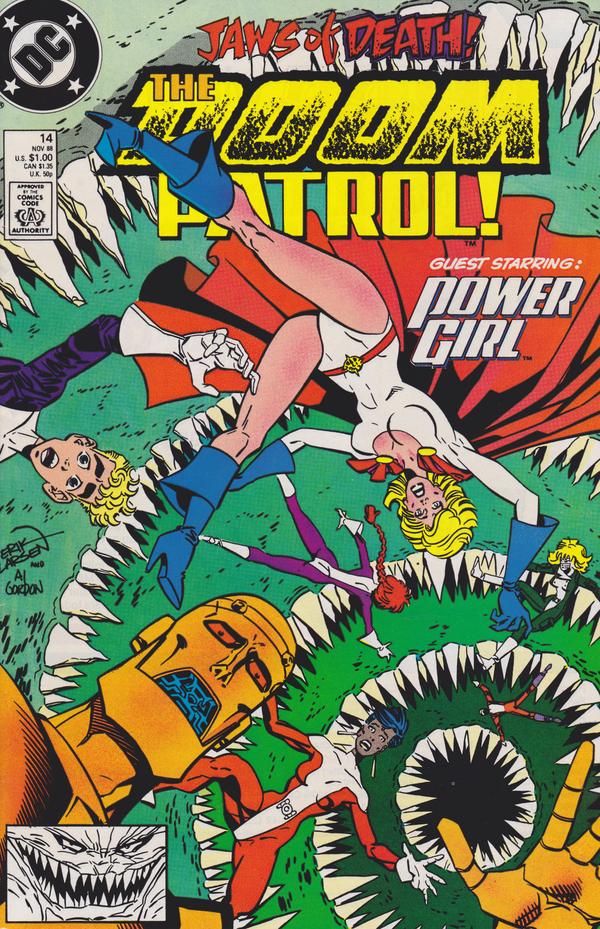 ★ 1988
 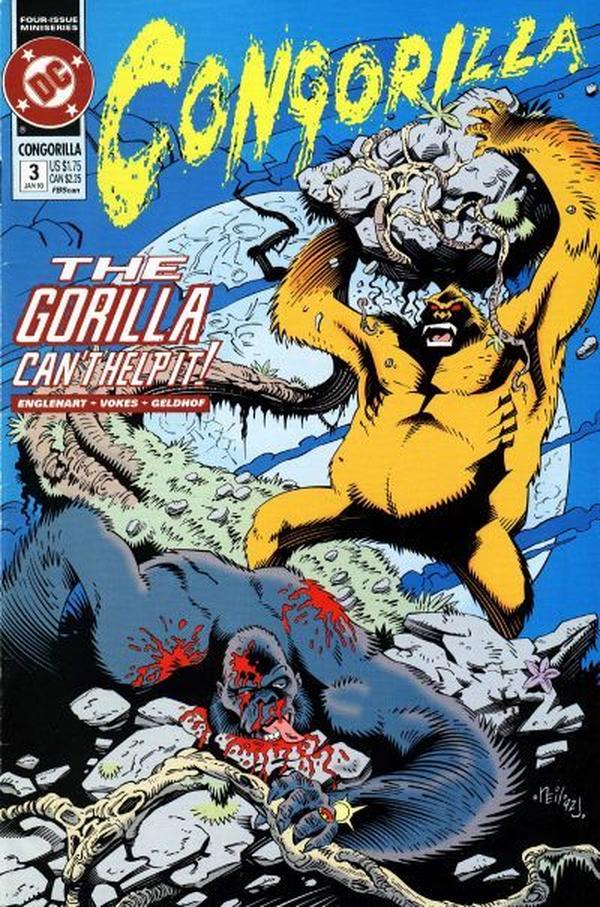 ★ 1993
 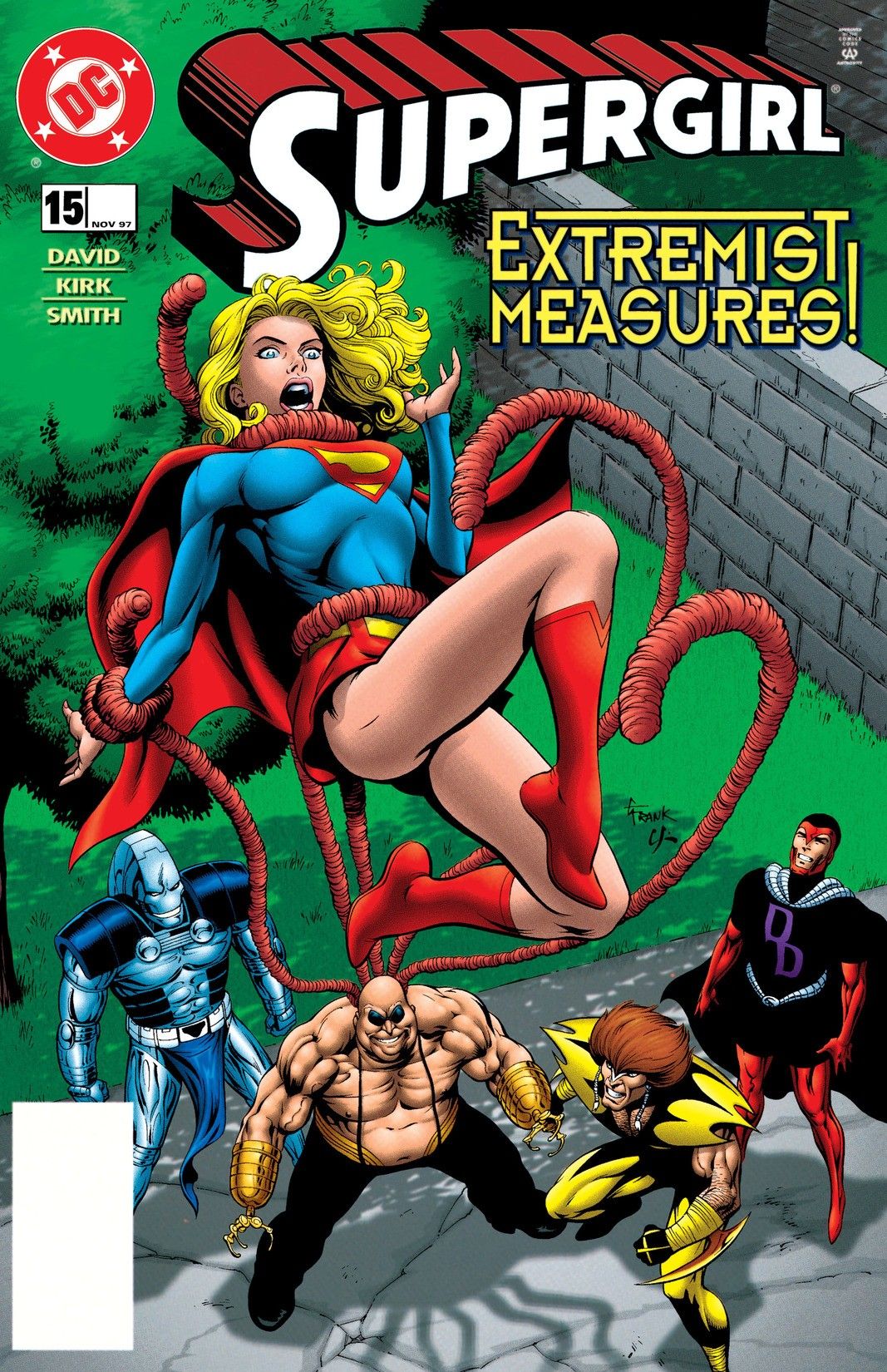 ★ 1997
 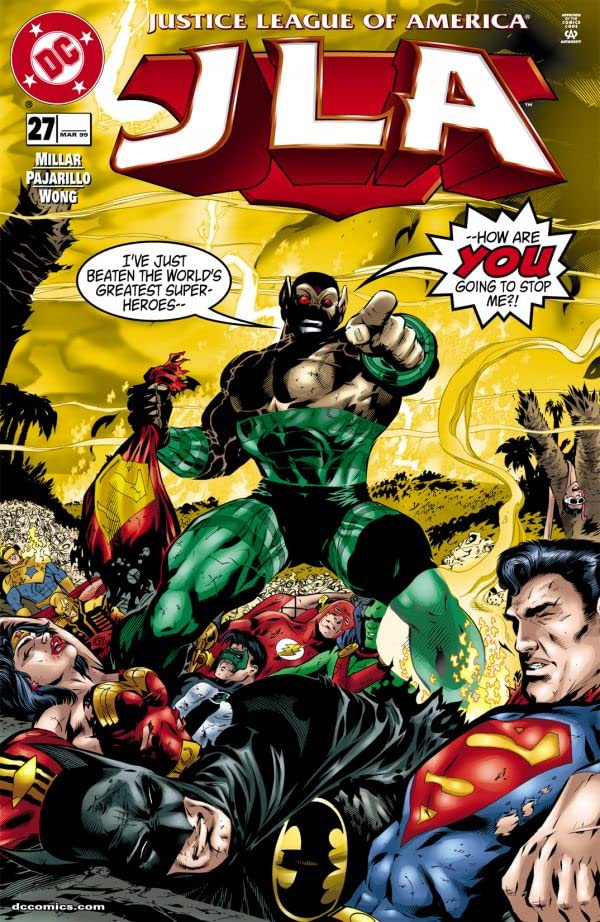 1999
1999 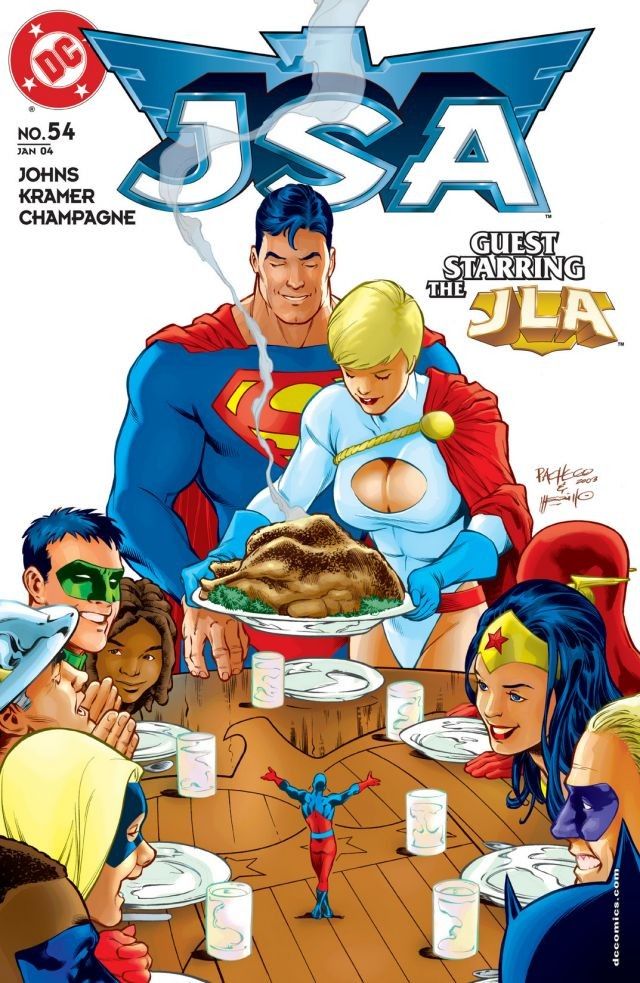 ★ 2004
 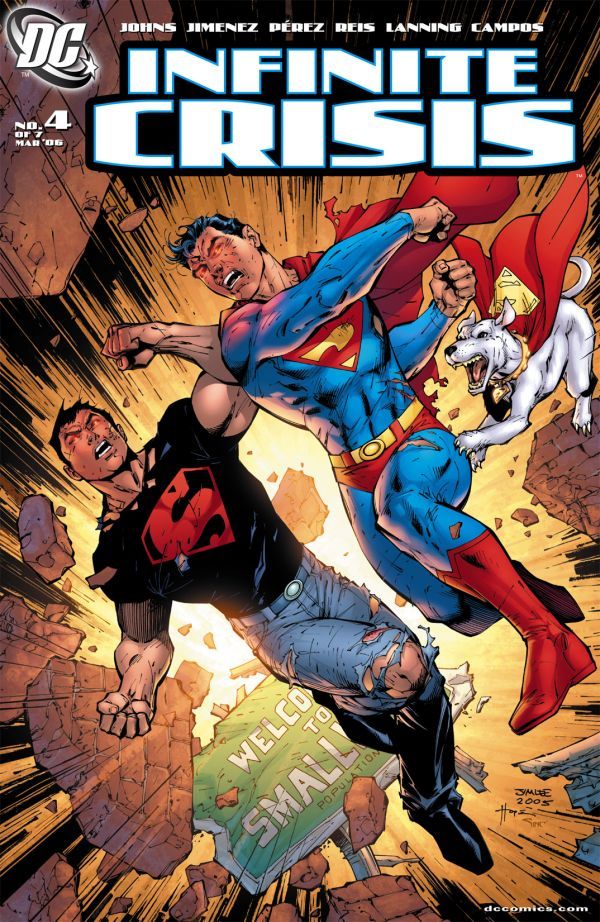 ★ 2006
 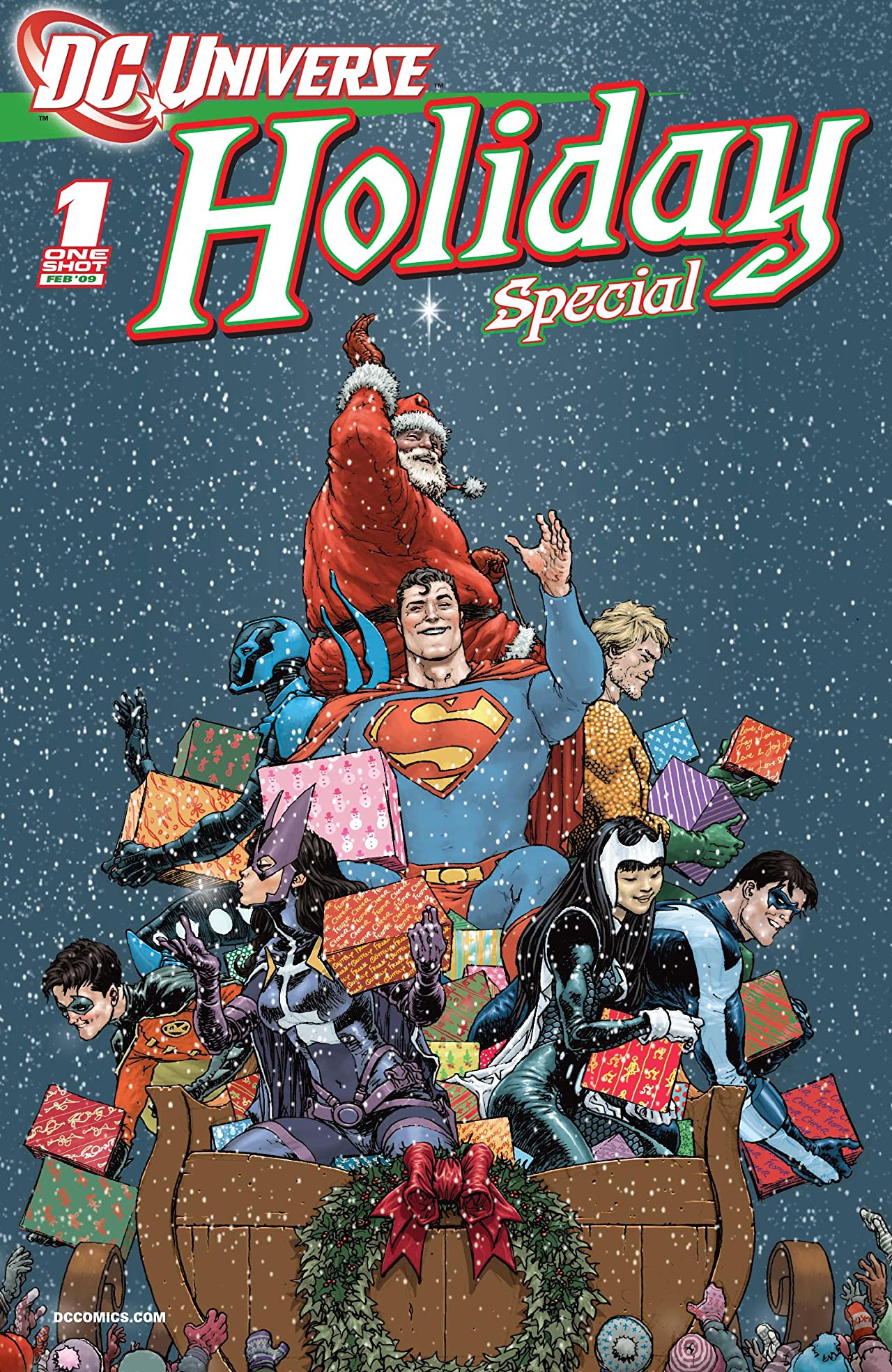 2009
2009 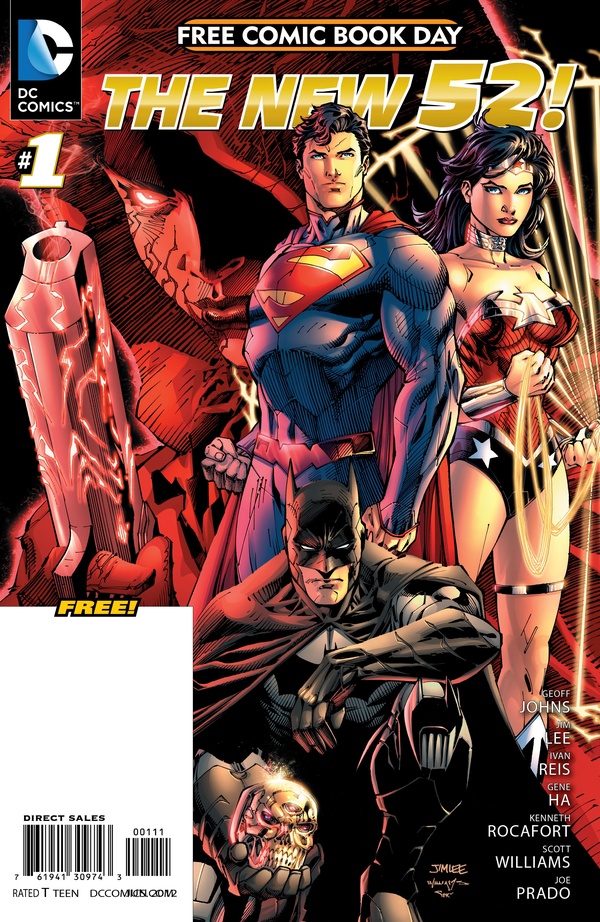 ★ 2012
 ![Harley Quinn and Power Girl #[nn]](https://img.comicbooks.com/covers/openlibrary/9781401259747.jpg) 2016
2016 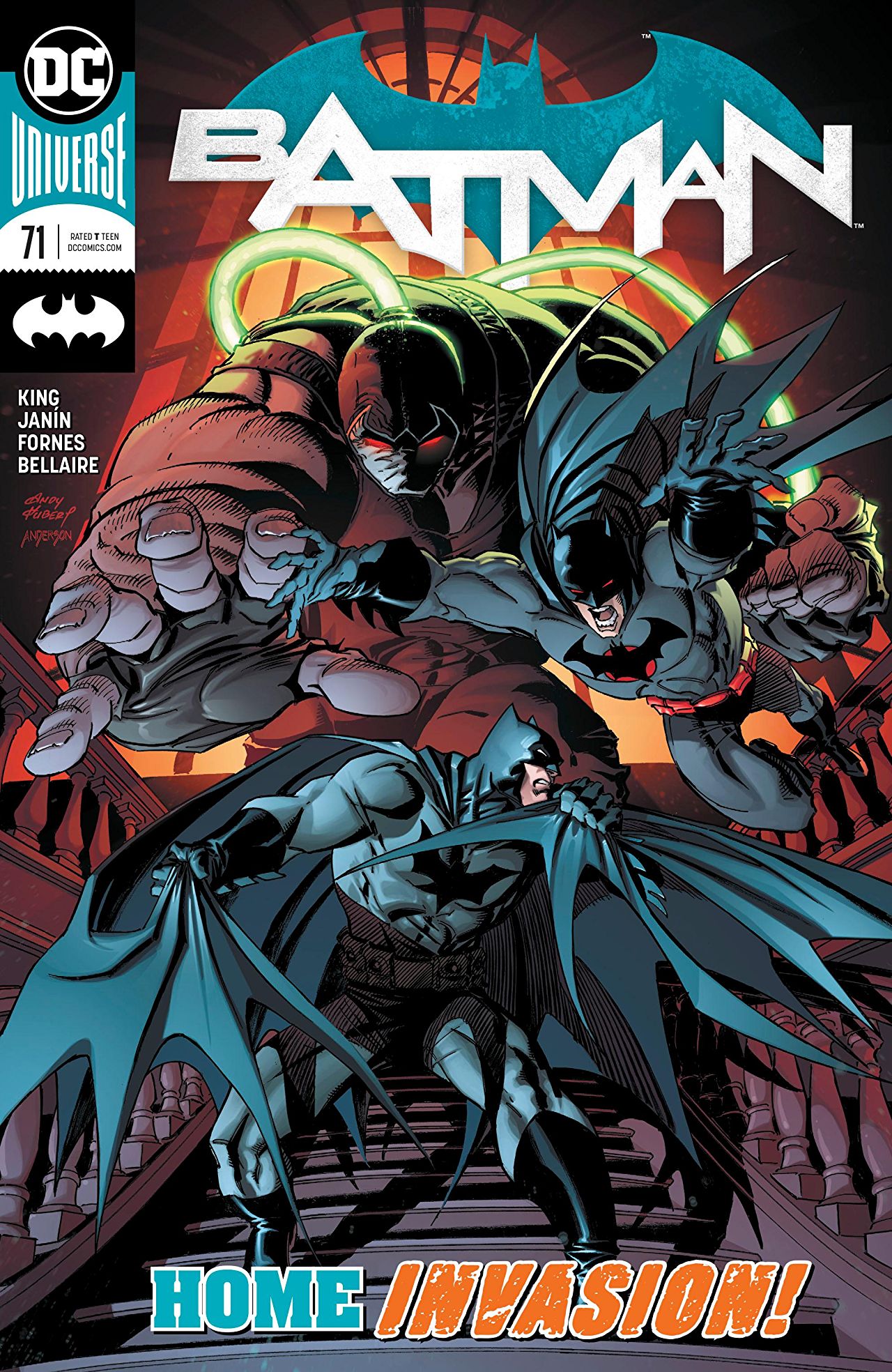 2019
2019 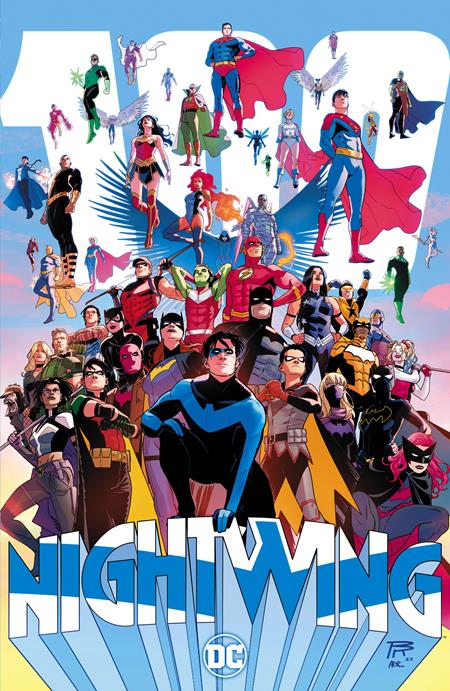 2023
2023