
Dick Sprang
1915–2000 · Comics debut 1940
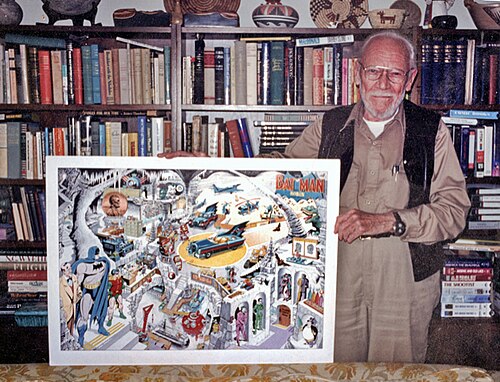
Richard W. Sprang was born on July 28, 1915, and went on to become one of the most recognizable artists of DC Comics' Golden Age, defined by his muscular, expressive interpretation of Batman — a hero rendered with a square jaw, broad chest, and a face capable of genuine emotion at a time when many superhero figures were comparatively stiff. He died on May 10, 2000.
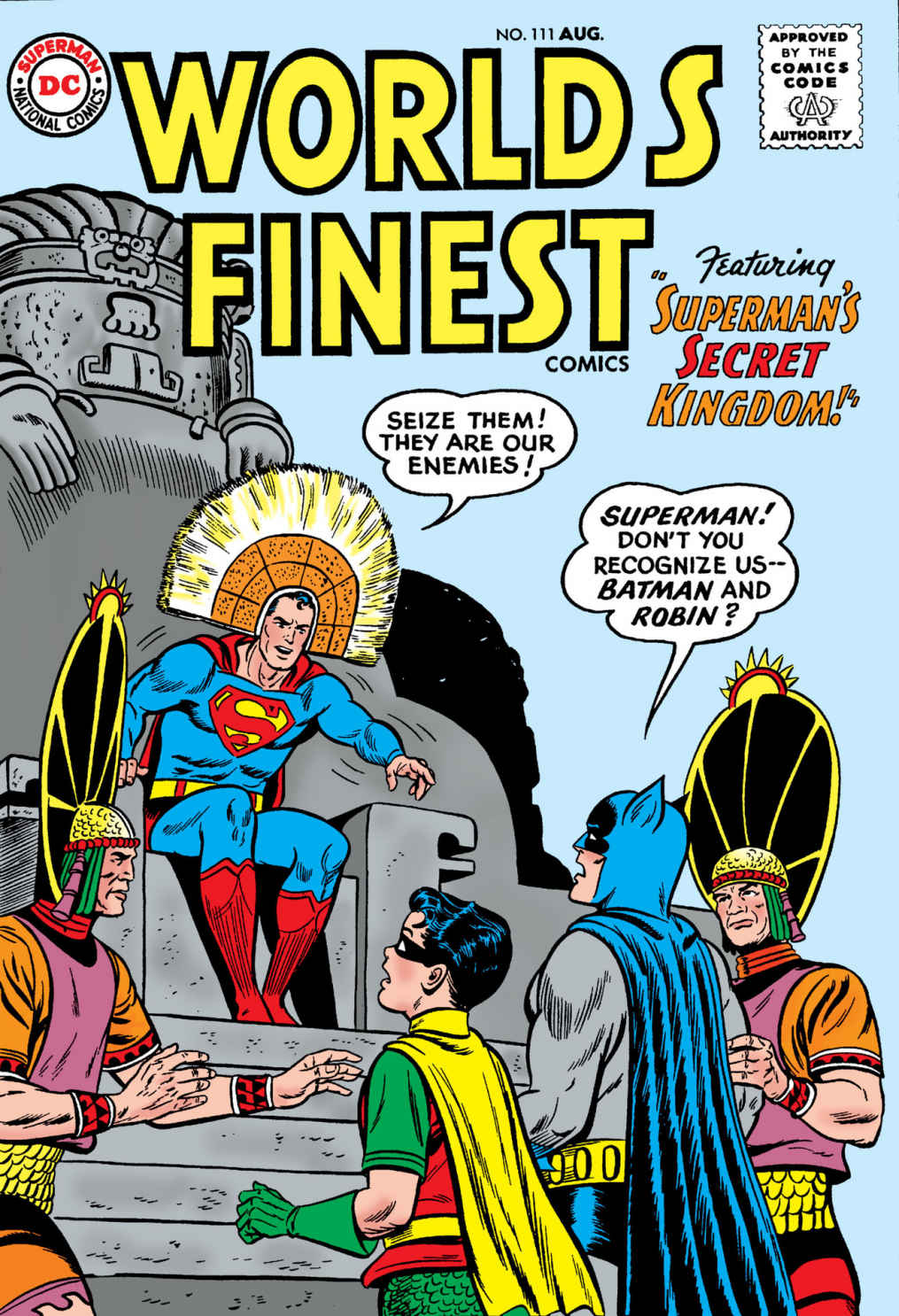
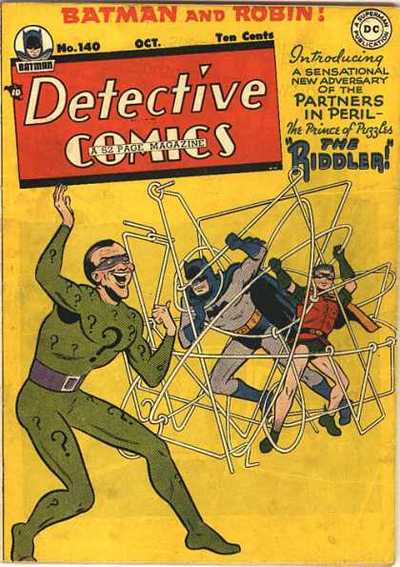
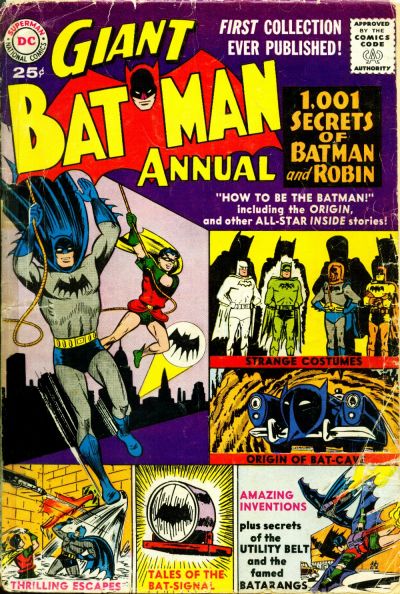
Sprang entered the comics field and built the bulk of his career across titles including *Detective Comics*, *Batman*, *World's Finest Comics*, and *Superman*, accumulating credits as artist, inker, and letterer over nearly 250 issues spanning several decades. His contributions went well beyond draftsmanship: he redesigned the Batmobile in 1950 and created the original visual conception of the Riddler, a character who has since appeared across film and television adaptations.
Away from the drawing board, Sprang pursued serious exploration across Arizona, Utah, and Colorado. His fieldwork led to discoveries that included Defiance House, a previously undocumented ancestral Puebloan site. That dual life is well documented — his journals, correspondence, and photographs are preserved in the Cline Library Special Collections at Northern Arizona University in Flagstaff, with additional material held by the Utah Historical Society. His artistic legacy and his explorer's curiosity together make him an unusually layered figure in the history of American comics.
Known for
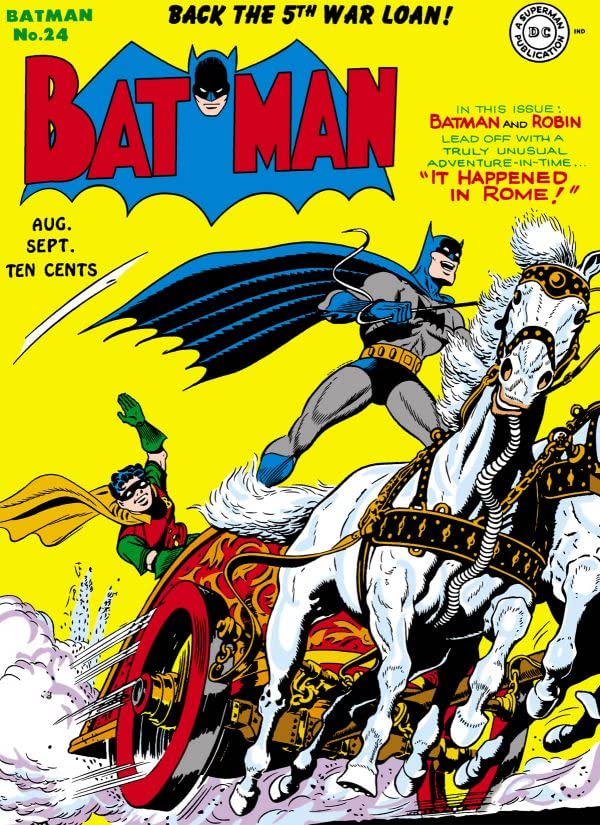
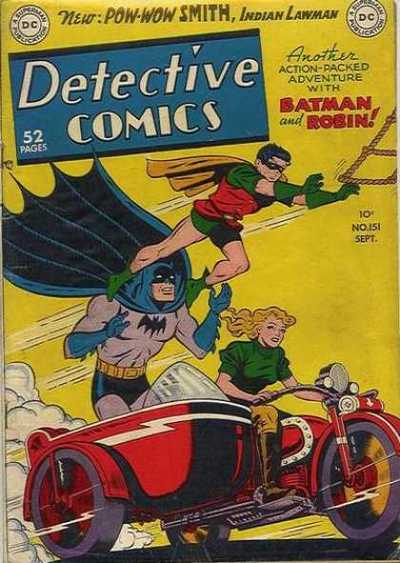
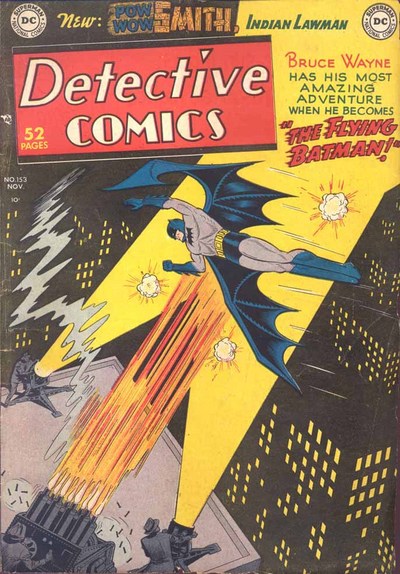
Shop Dick Sprang's comics
✦ Manage this page Represent Dick Sprang's estate? Claim this page.
Full bibliography · 64 series
Original biography and editorial content © ComicBooks.com LLC. Information drawn in part from Wikipedia and the Grand Comics Database. Portrait by RRFWTommartin / Wikimedia Commons (CC BY-SA 4.0). Cover thumbnails shown under fair use, each linking to its issue.