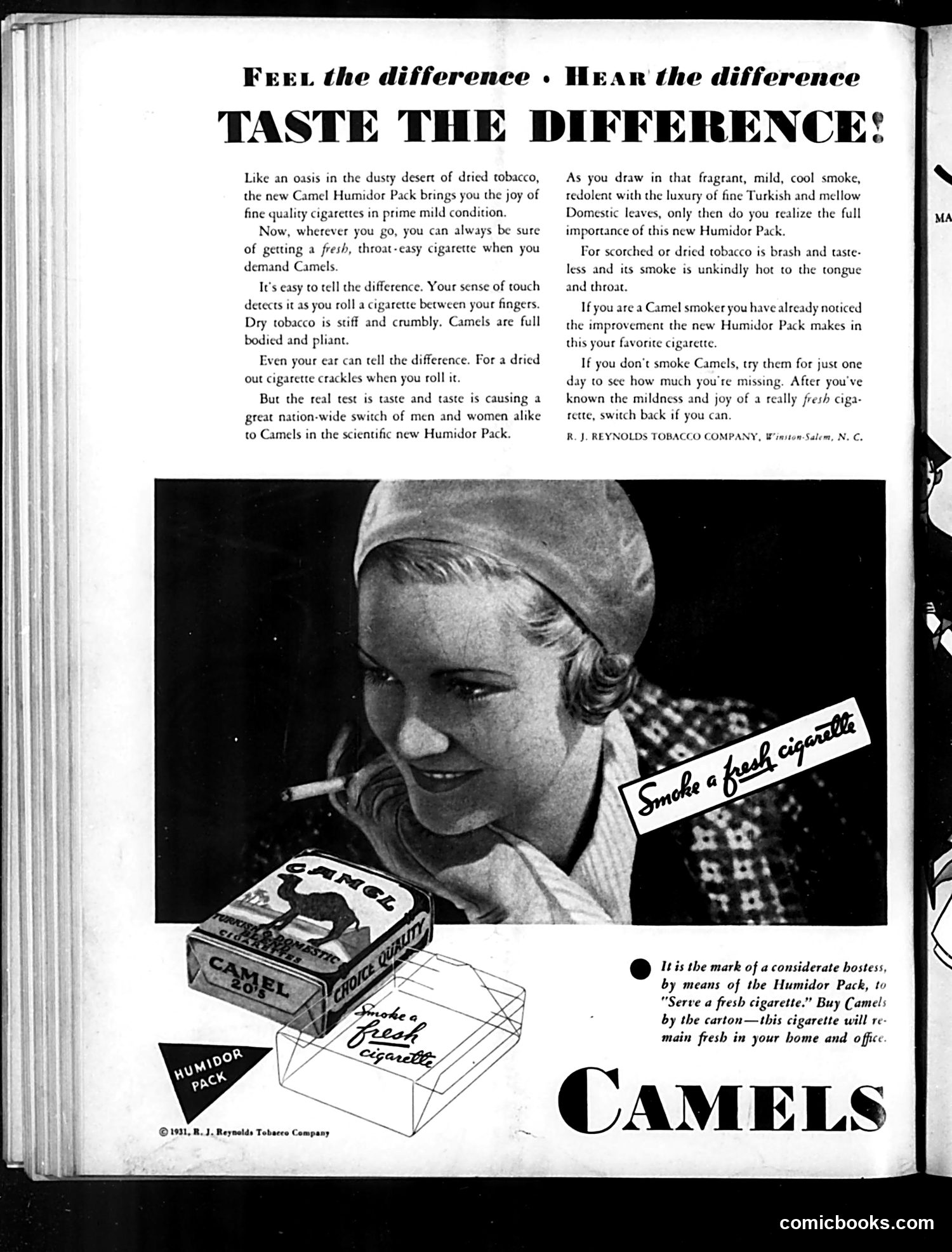
A complete issue · 36 pages · 1931
Judge — May 23, 1931
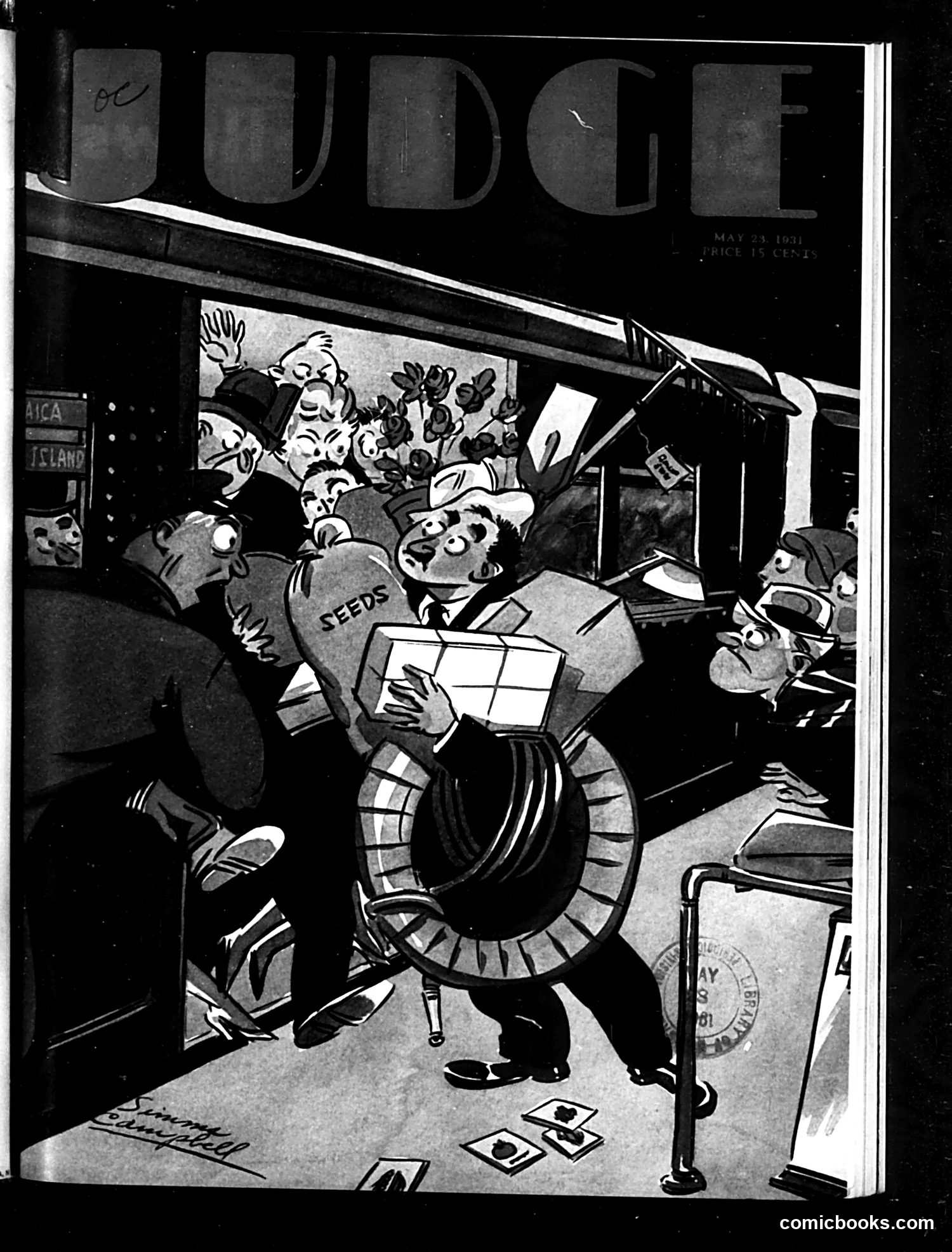
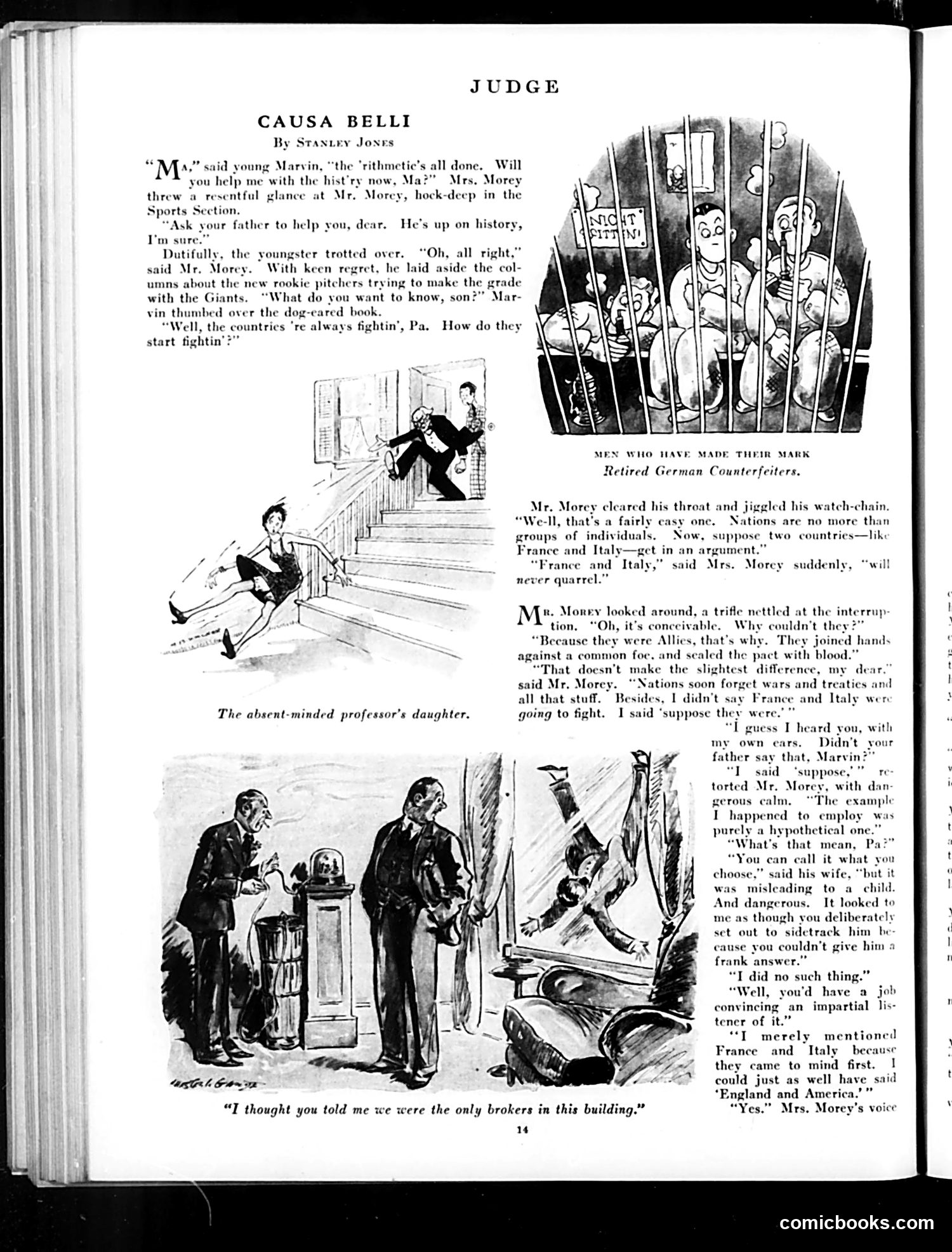
# Analysis of Judge Magazine Cover (May 23, 1911) This political cartoon depicts a crowded Dodge automobile showroom during what appears to be a sales event or promotion. The central figure, a portly salesman or dealer wearing a large tire around his midsection like a life preserver, is surrounded by eager customers holding order forms and seed packets labeled "SEEDS." The satire likely comments on aggressive automobile sales tactics of the era—the tire-as-life-preserver suggests the desperation or chaos of the sales pitch. The "SEEDS" reference is unclear but may reference agricultural customers or metaphorically suggest planting money/investment. The crowded, frantic scene mocks both the automobile industry's boom marketing and consumer enthusiasm for new automotive technology during this period of rapid motorization.
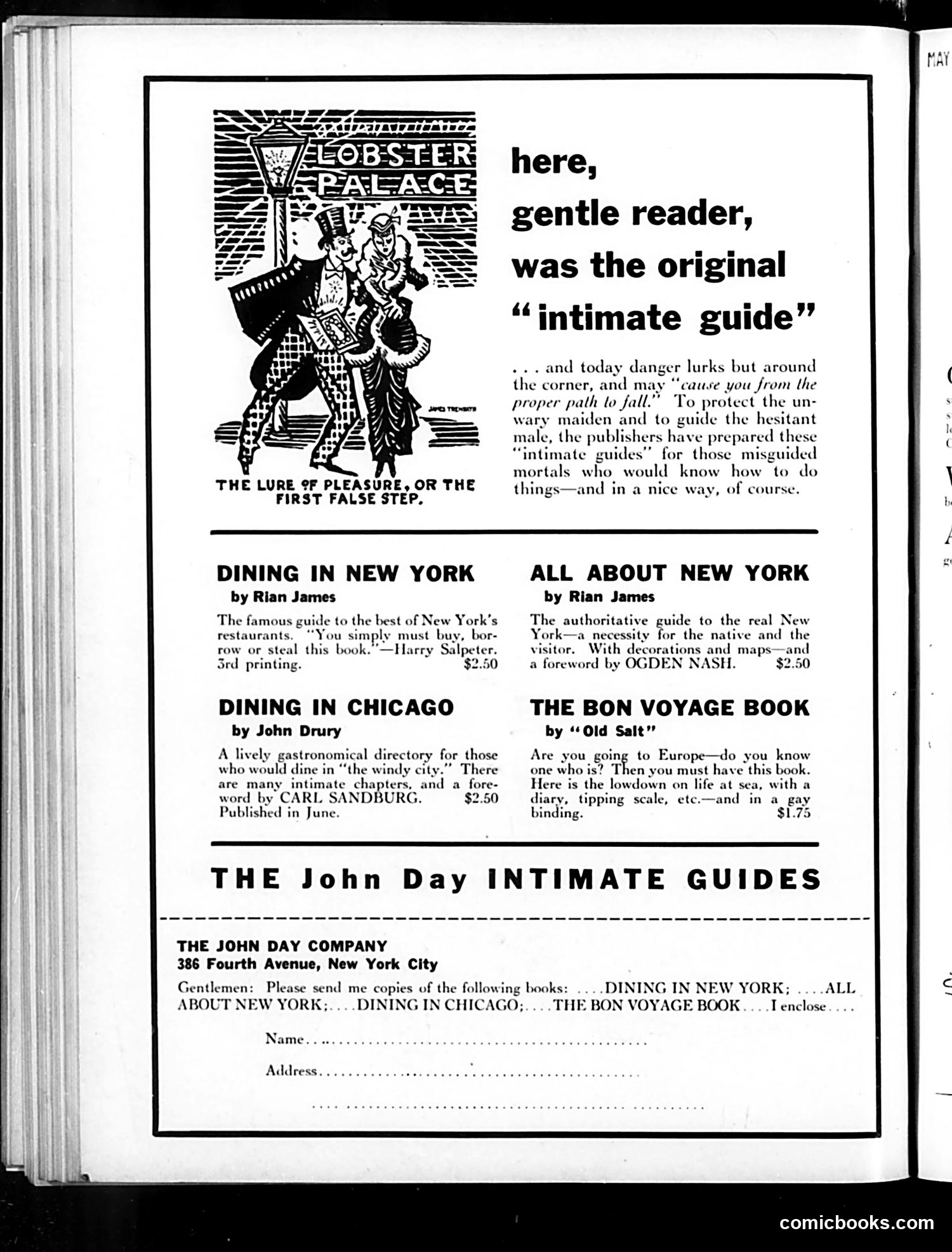
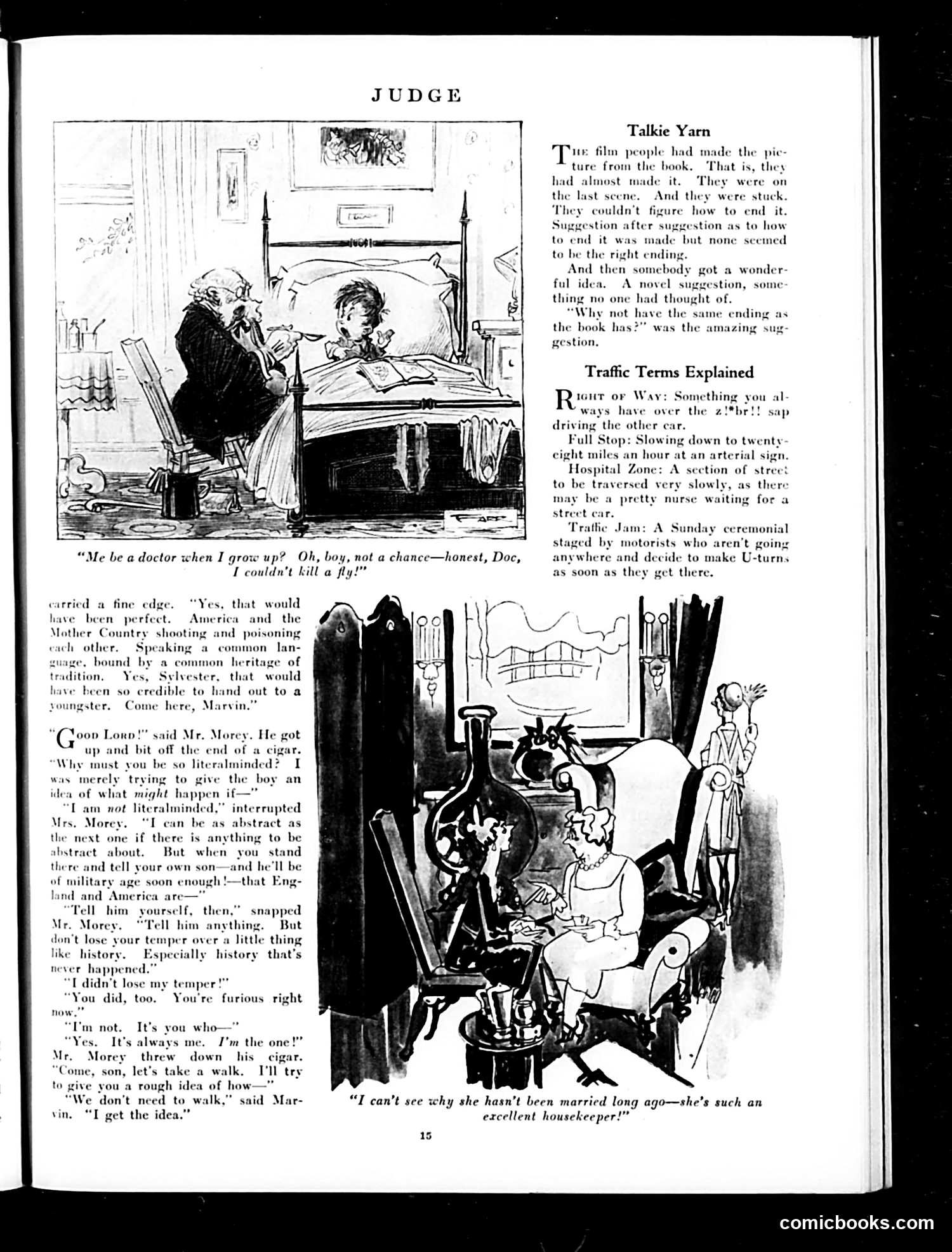
# Analysis This page is primarily **advertising for "Intimate Guides"** published by The John Day Company, not political satire. The illustrated header shows a couple at the "Lobster Palace" nightclub with the caption "The Lure of Pleasure, or The First False Step"—a moralistic framing device. The ad copy sarcastically positions these guides as protective literature for "unwary maidens" and "hesitant males" who might otherwise stray morally. The actual books advertised are dining guides (New York, Chicago) and a travel guide ("The Bon Voyage Book"), positioned as practical necessities rather than scandalous material. The humor relies on the pretense that these seemingly innocent guidebooks require moral justification—a tongue-in-cheek comment on contemporary prudishness and marketing tactics.
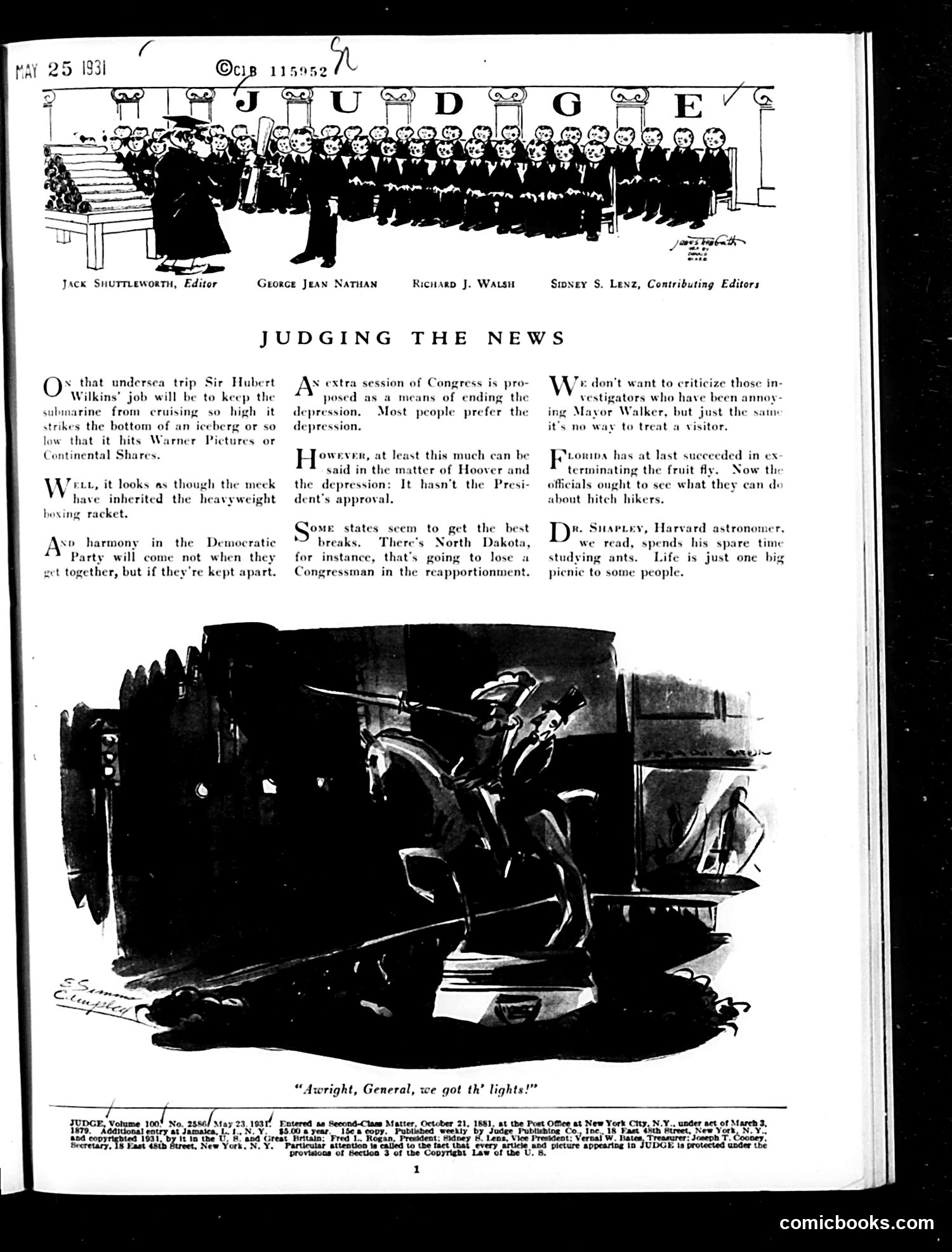
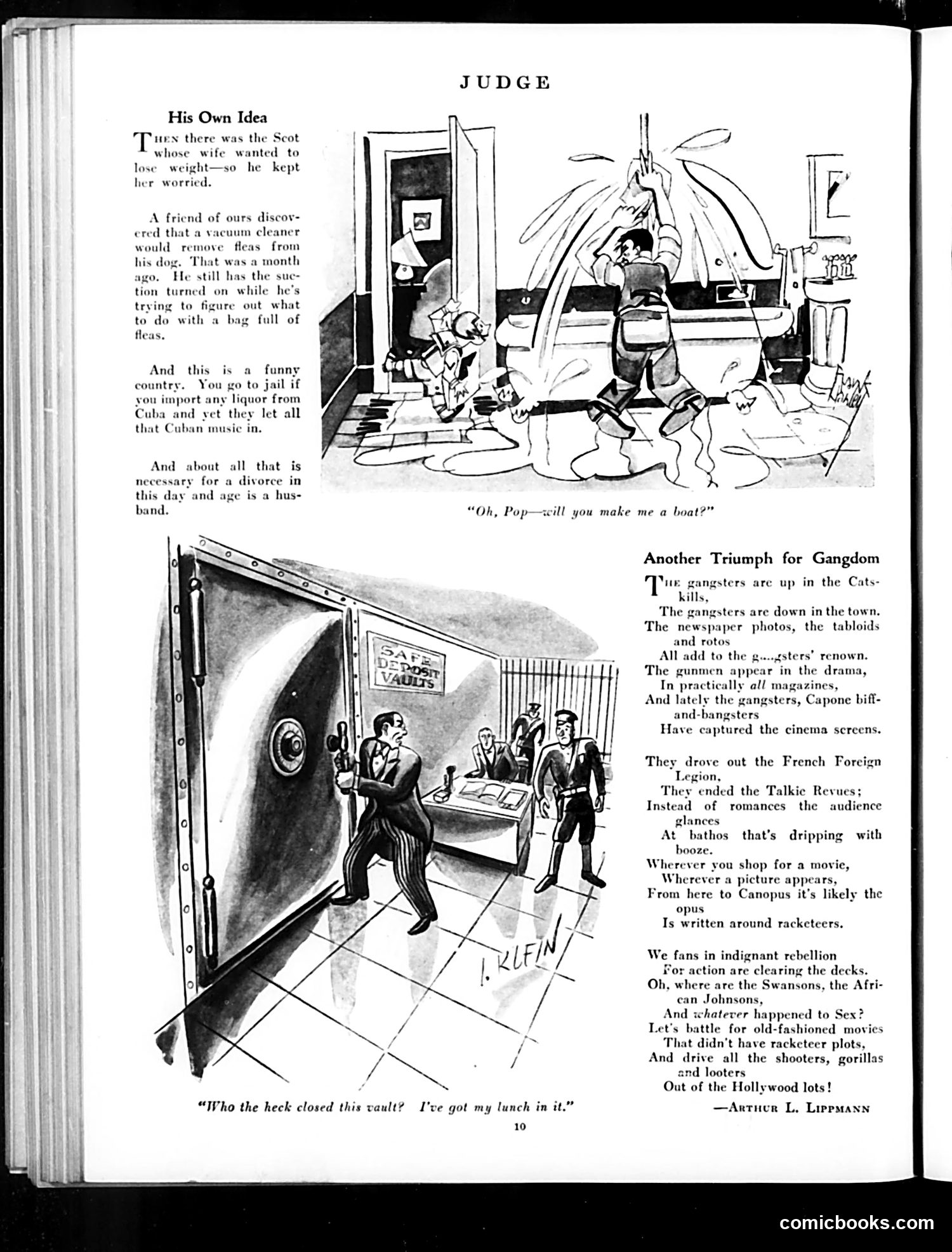
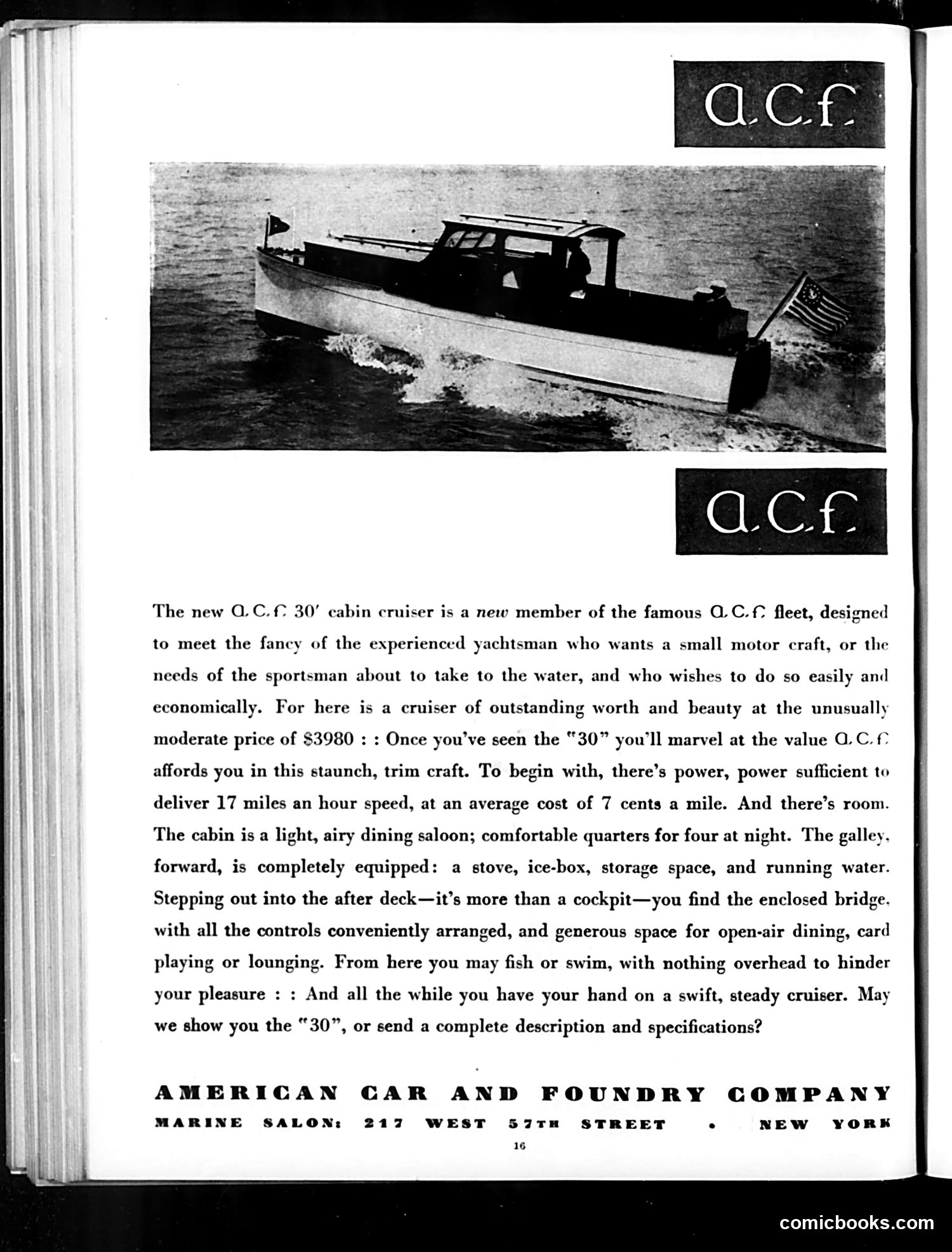
# Analysis of Judge Magazine Page (May 25, 1931) The page features editorial commentary titled "Judging the News" with brief satirical takes on current events, followed by a cartoon captioned "Alright, General, we got th' lights!" The cartoon depicts a mounted general (likely a military figure) in what appears to be a stable or barn, speaking to someone operating lights—possibly a film or theater lighting setup. The joke appears to mock military attempts to control media presentation or "stage" news for public consumption, a concern during the early Depression era. The editorial snippets critique various political figures and situations: Sir Hubert Wilkins's Arctic expedition, Congressional response to the Depression, Democratic Party discord, and regional political consequences. The overall tone is cynical about governance and media manipulation.
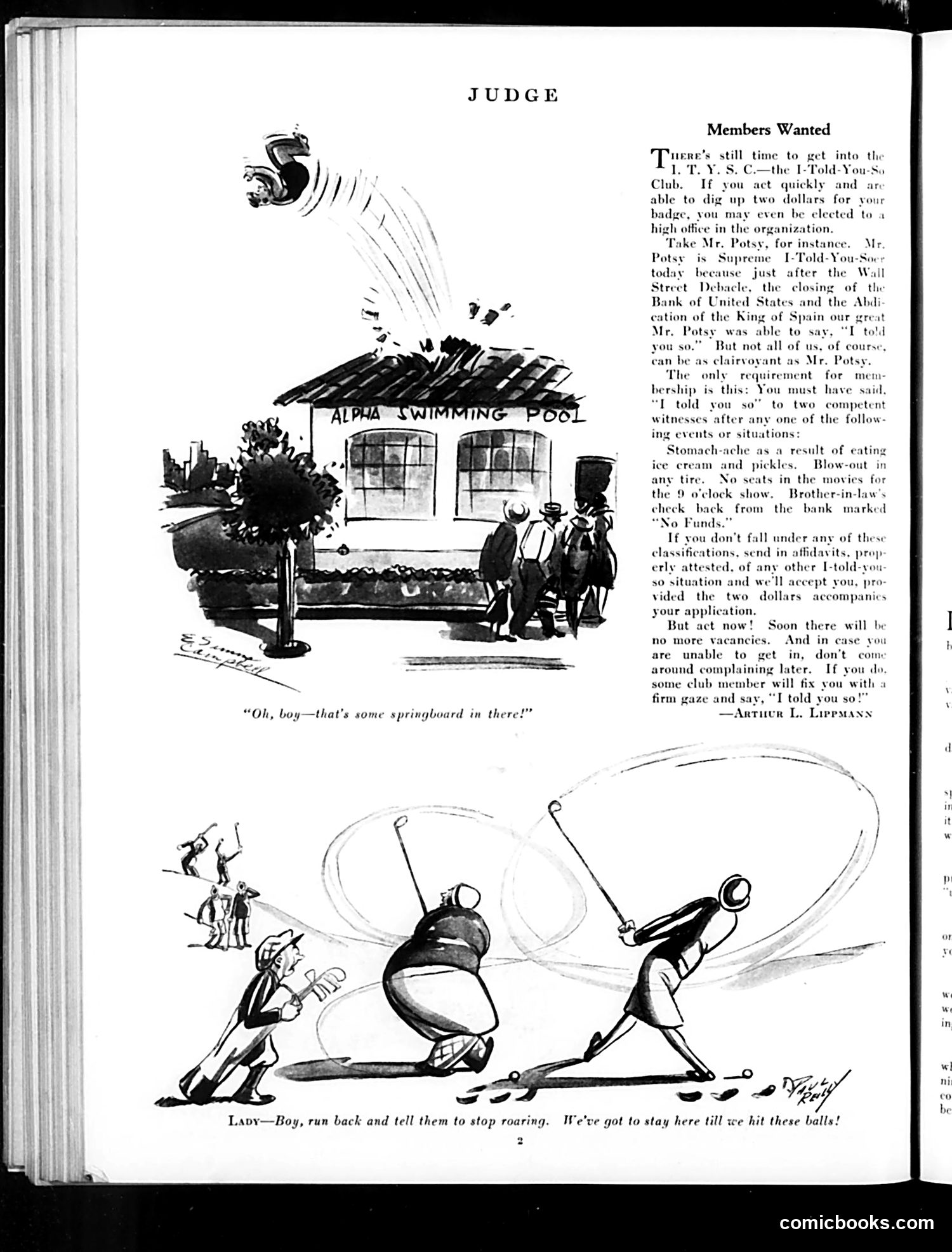
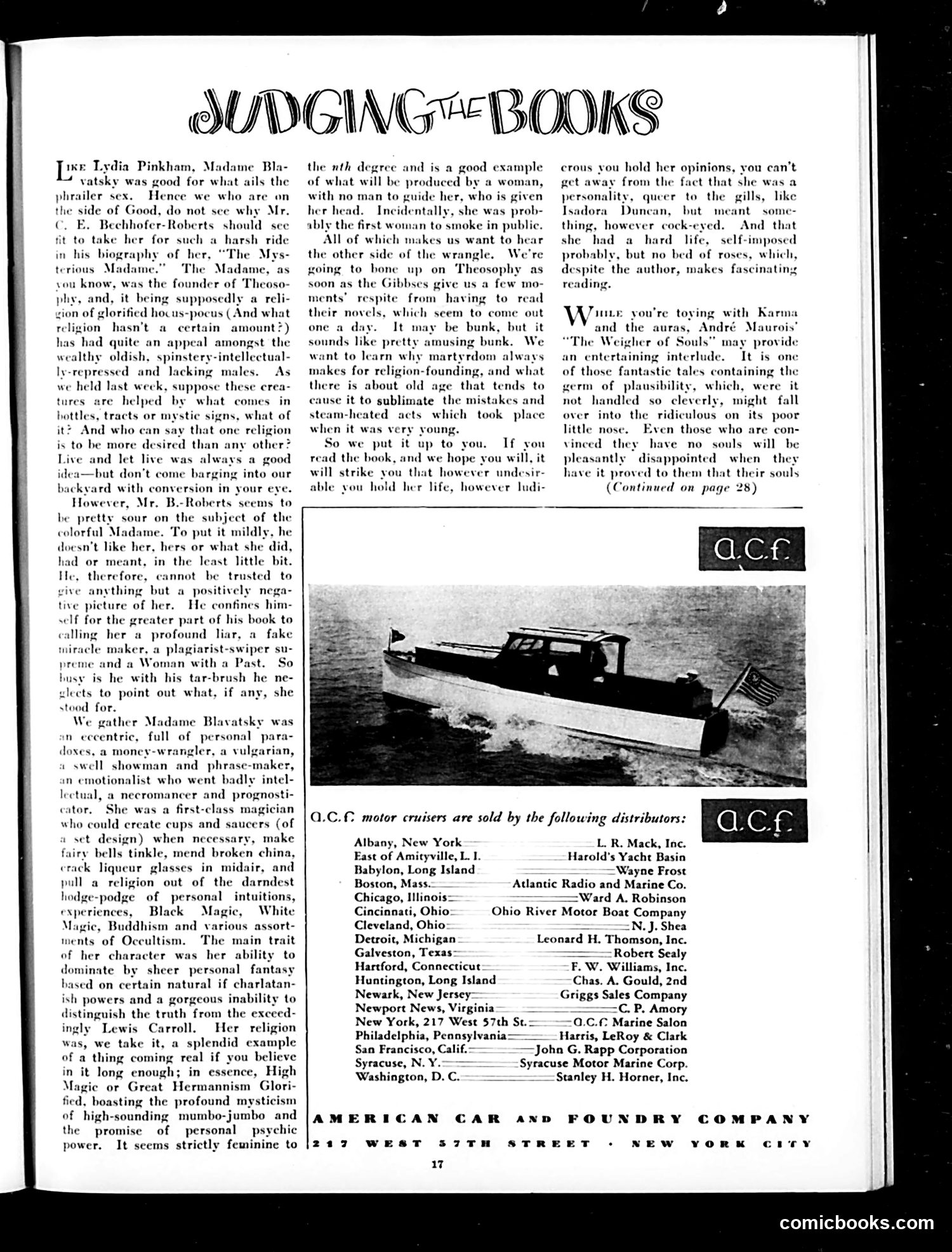
# Analysis of Judge Magazine Page This page contains two satirical cartoons about the "I-Told-You-So Club" (I.T.Y.S.C.), a humorous organization for people who enjoy saying "I told you so." **Top cartoon:** Shows a figure being ejected from an "Alpha Swimming Pool," illustrating one of the club's qualifying situations: experiencing stomach-ache from eating ice cream and pickles. **Bottom cartoon:** Depicts people playing with large balls on strings, captioned "Lady—Boy, run back and tell them to stop roaring. We've got to stay here till we hit these balls!" This appears to mock people trying to participate in some activity while being hindered. The accompanying article humorously describes membership requirements—various embarrassing or unfortunate situations one must have experienced and mentioned to witnesses. The satire targets human nature and social pretension through this fictitious club concept.
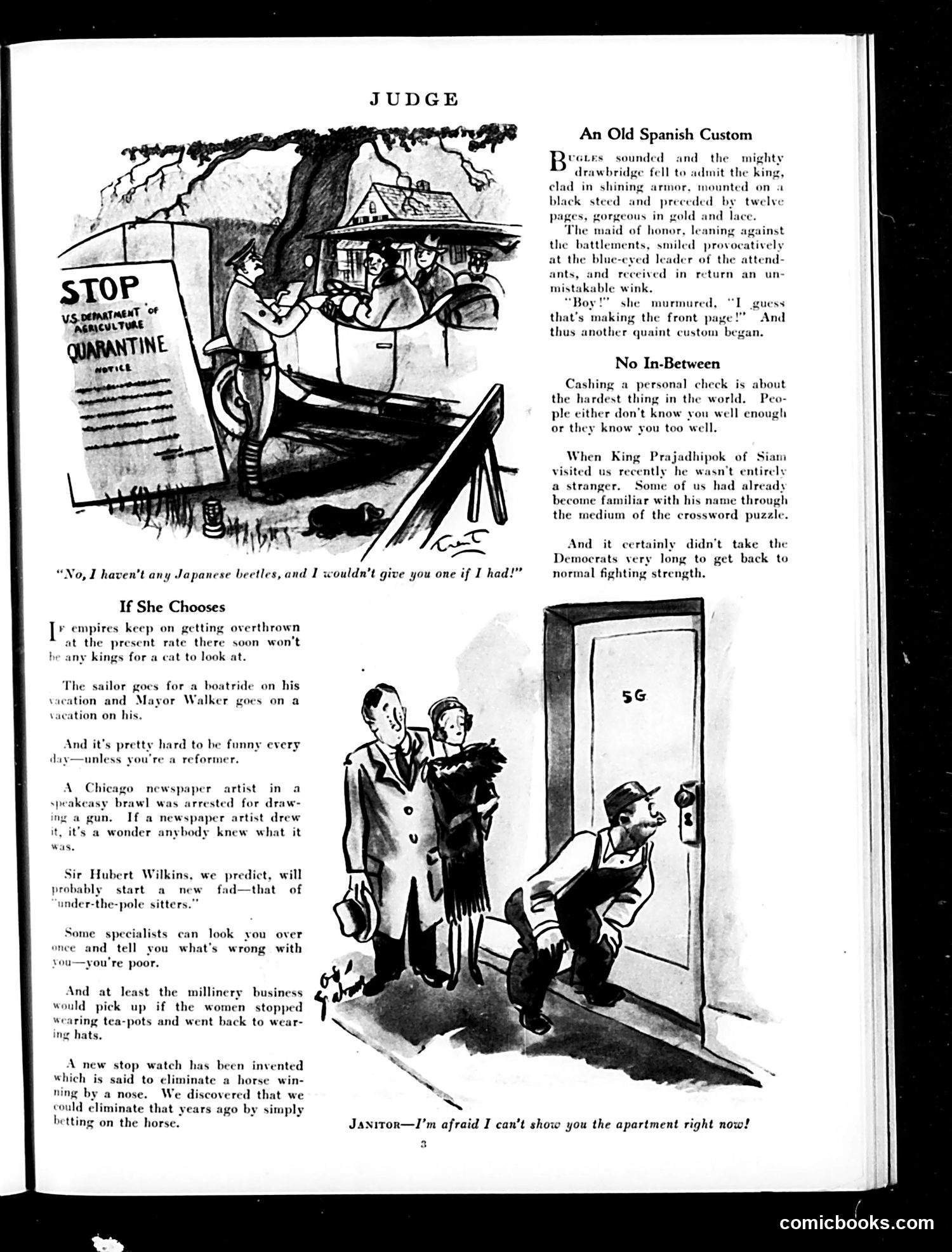
# Analysis of Judge Magazine Page **Top Cartoon ("An Old Spanish Custom"):** This depicts a quarantine inspection during what appears to be an early 20th-century disease outbreak. A U.S. Department of Agriculture quarantine official inspects travelers arriving by drawbridge. The "maid of honor" character flirts with the inspector, who notices and winks back—the joke being that even official procedures can be subverted by charm. The caption suggests bureaucratic rules are easily undermined. **Bottom Cartoon ("If She Chooses"):** A janitor fears showing an apartment to a couple, marked "5G." The satire critiques housing discrimination and landlord prejudice of the era—suggesting certain groups faced barriers to rental housing based on appearance or status. Both reflect Progressive-era anxieties about regulation, inspection, and social discrimination.
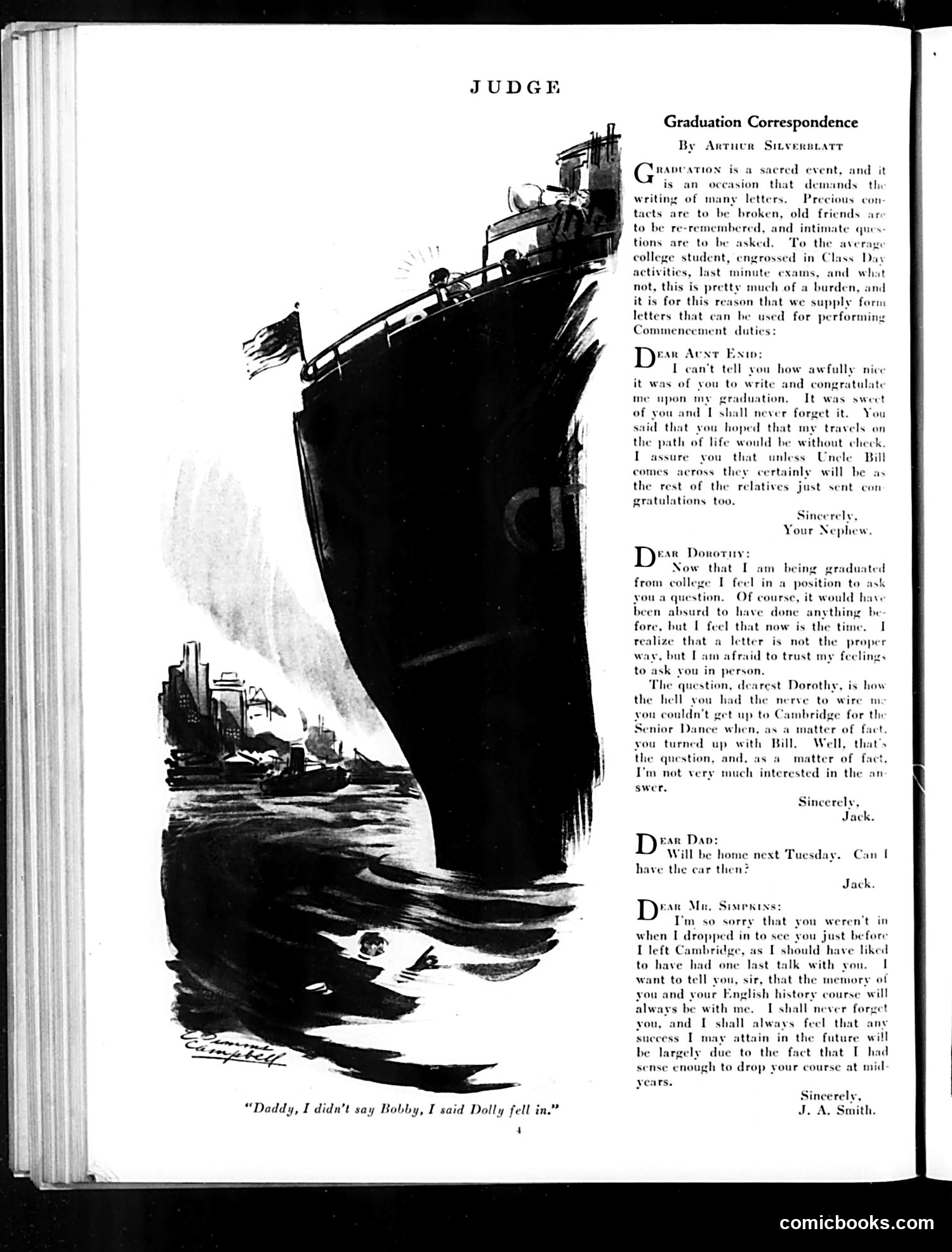
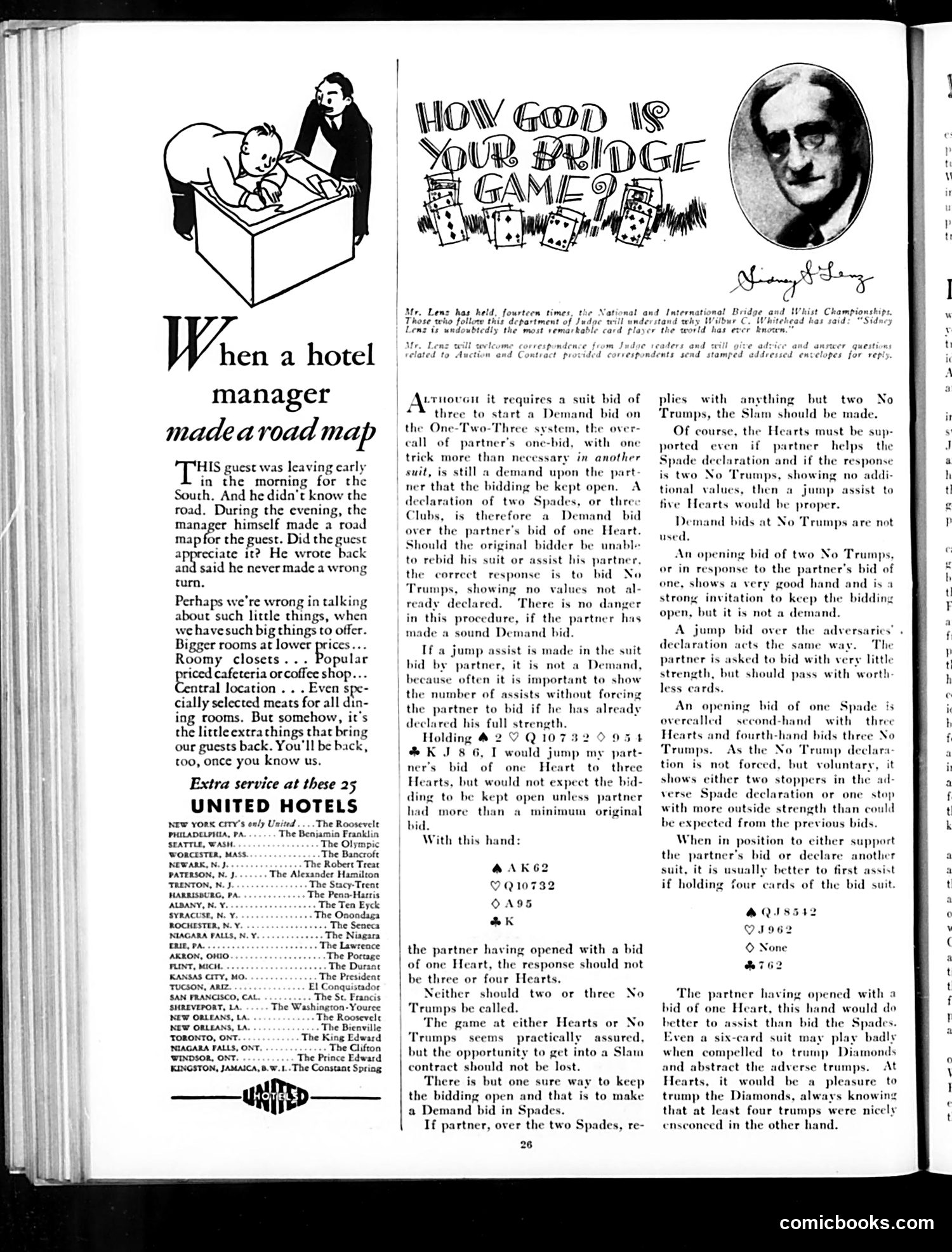
# Analysis This page from *Judge* presents "Graduation Correspondence" by Arthur Silverblatt—sample letters for college graduates to send during commencement season. The accompanying illustration shows a large ship's bow looming over a small tugboat, captioned "Daddy, I didn't say Bobby, I said Dolly fell in." The cartoon's humor relies on mishearing: a father believes his son said someone named "Bobby" fell overboard, when he actually said "Dolly"—likely a girlfriend. The joke plays on parental anxiety and miscommunication during an awkward phone conversation about a serious accident. The sample letters below address relatives with humorous updates about post-graduation plans and social events, using the correspondence as a satirical vehicle for poking fun at typical graduate etiquette and family dynamics.
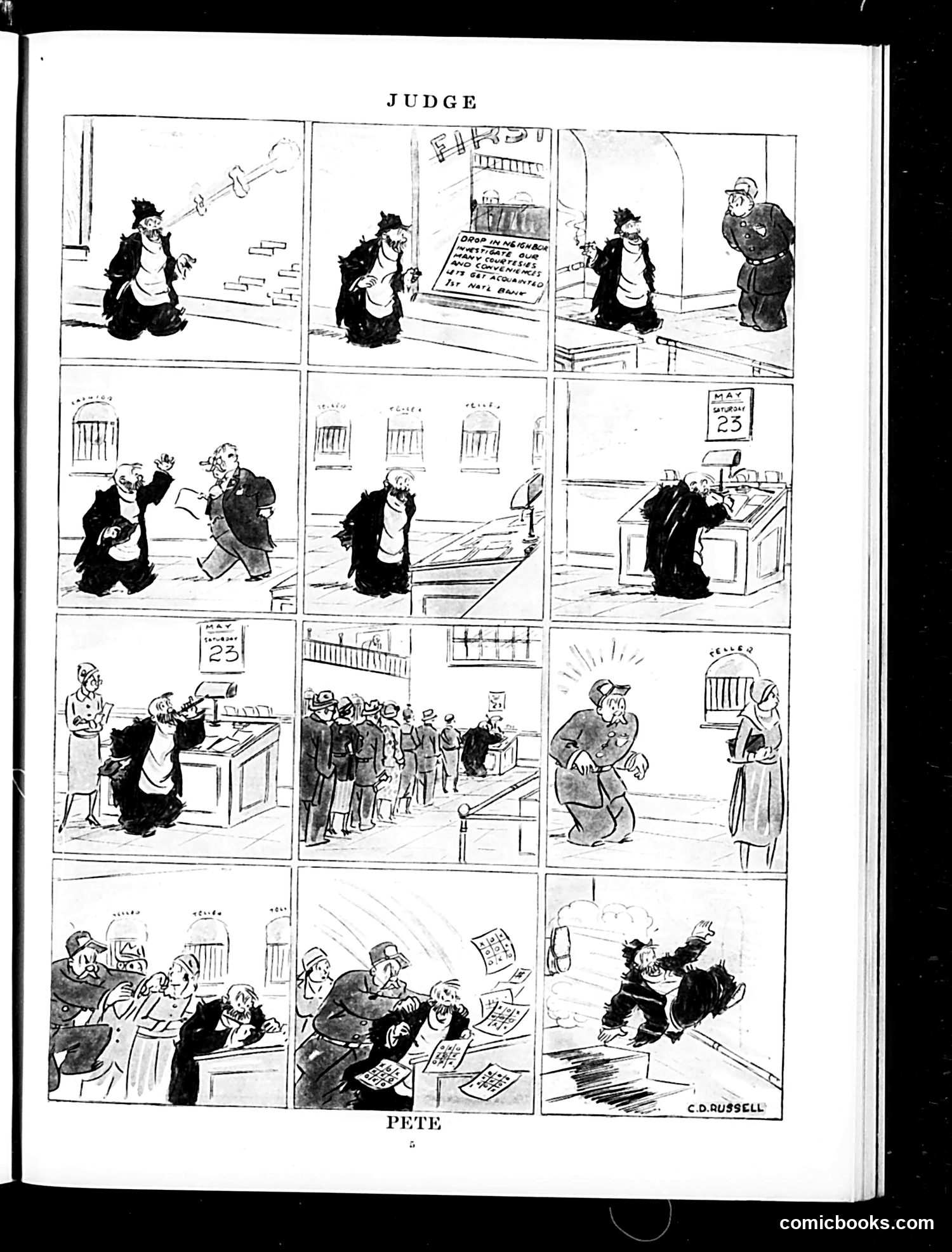
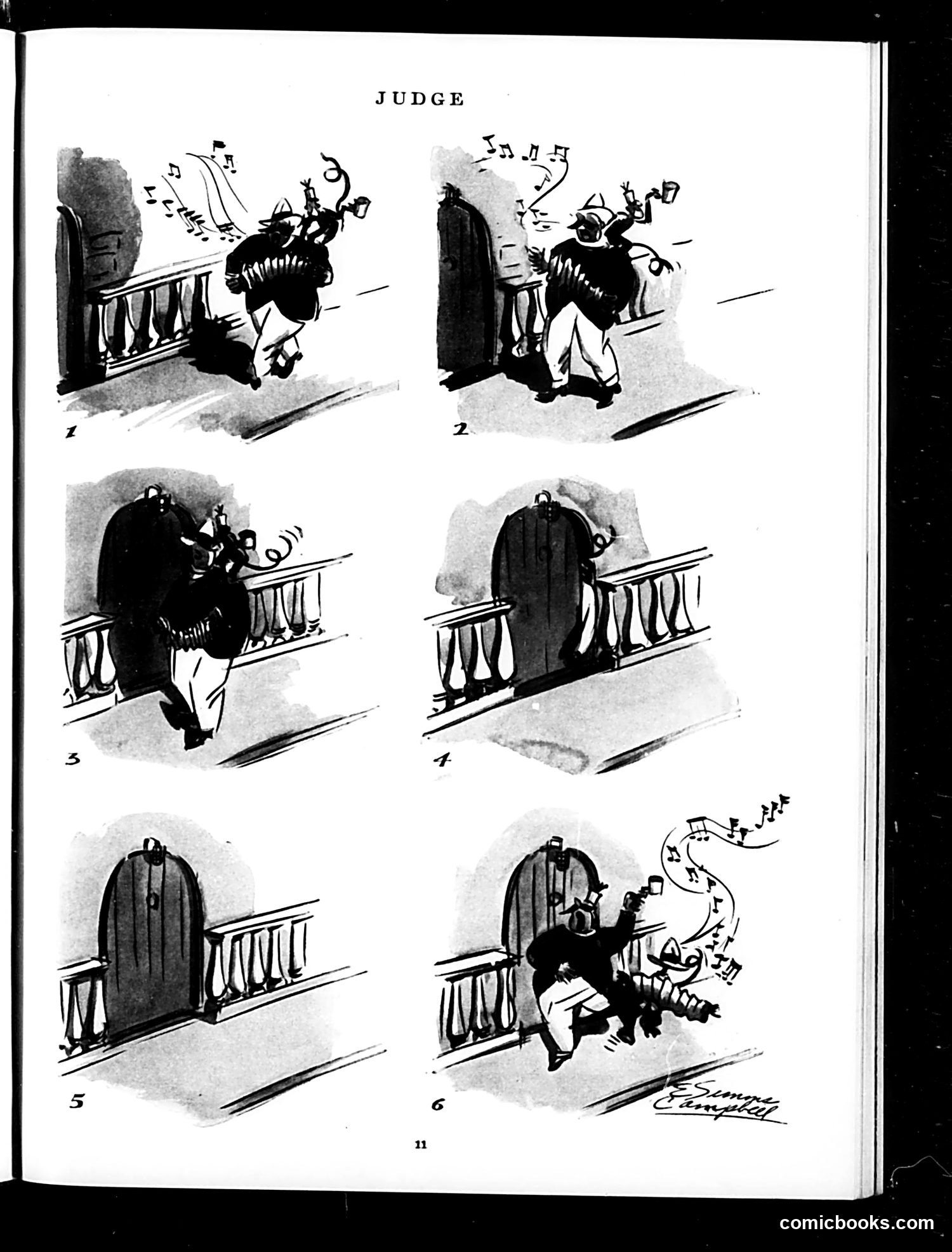
# Analysis of "Judge" Comic Page This comic strip titled "Judge" (artist: C.D. Russell) appears to depict a courtroom scenario involving a character named "Pete." The narrative follows a disheveled man through various legal proceedings—from initial arrest or summons, through interrogation, to what seems to be a trial or hearing before a judge. The satire likely mocks the legal system's treatment of working-class or vagrant individuals. Pete's rumpled appearance and the progression through multiple officials suggests commentary on bureaucratic inefficiency or the harsh treatment of society's lower classes within the American justice system. Without clearer text visibility, the specific legal charge or social issue remains unclear, but the overall tone critiques institutional indifference to common people's plights.
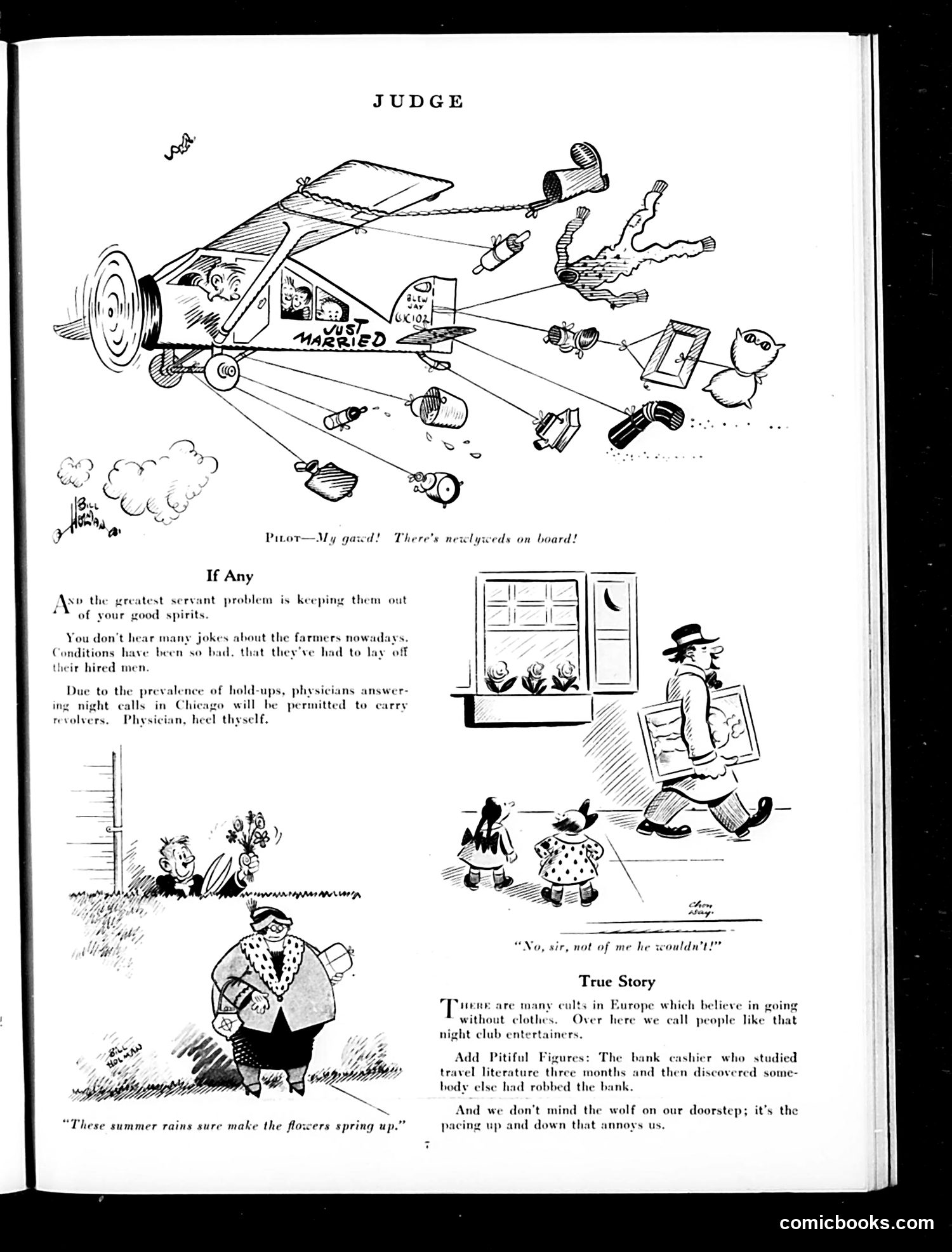
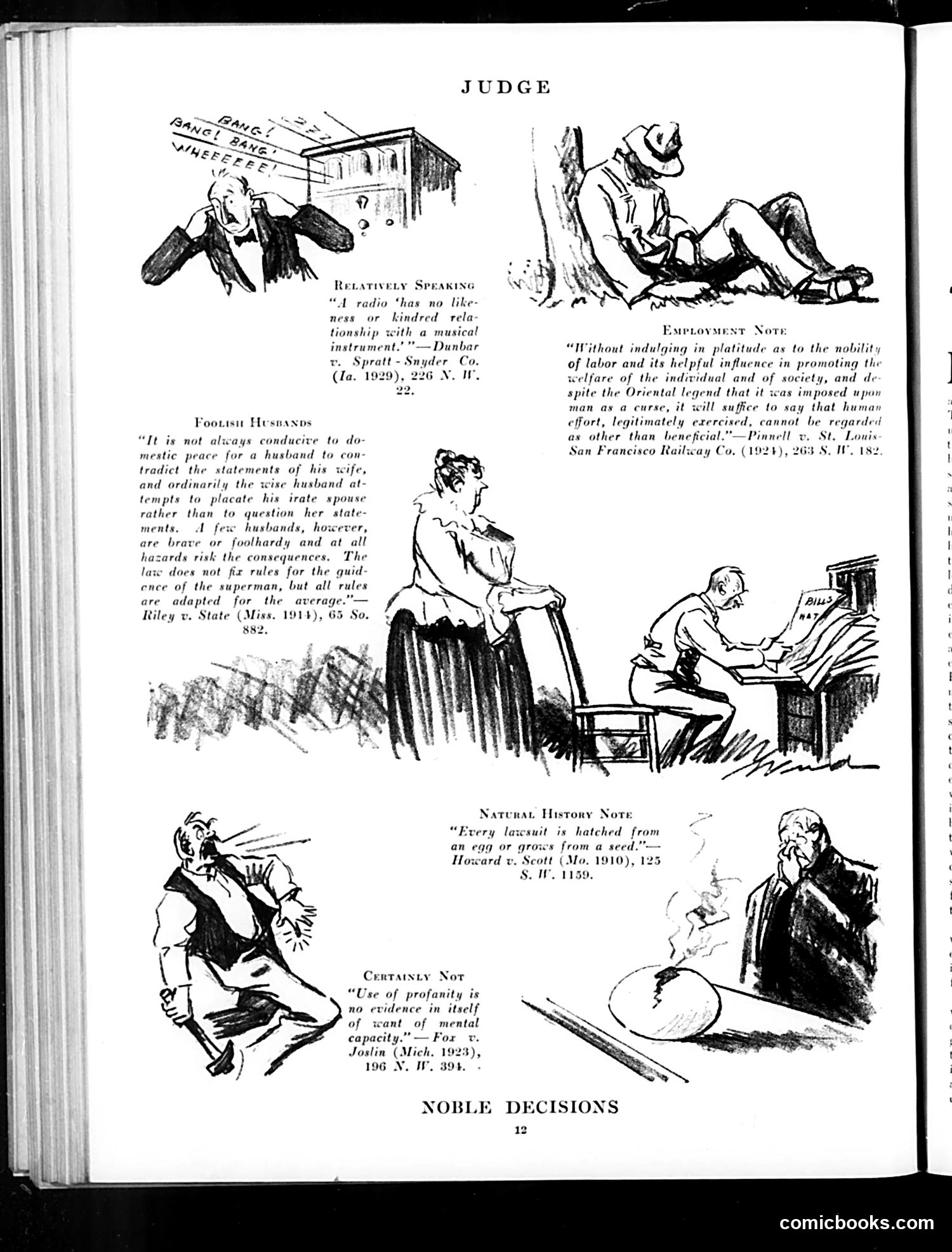
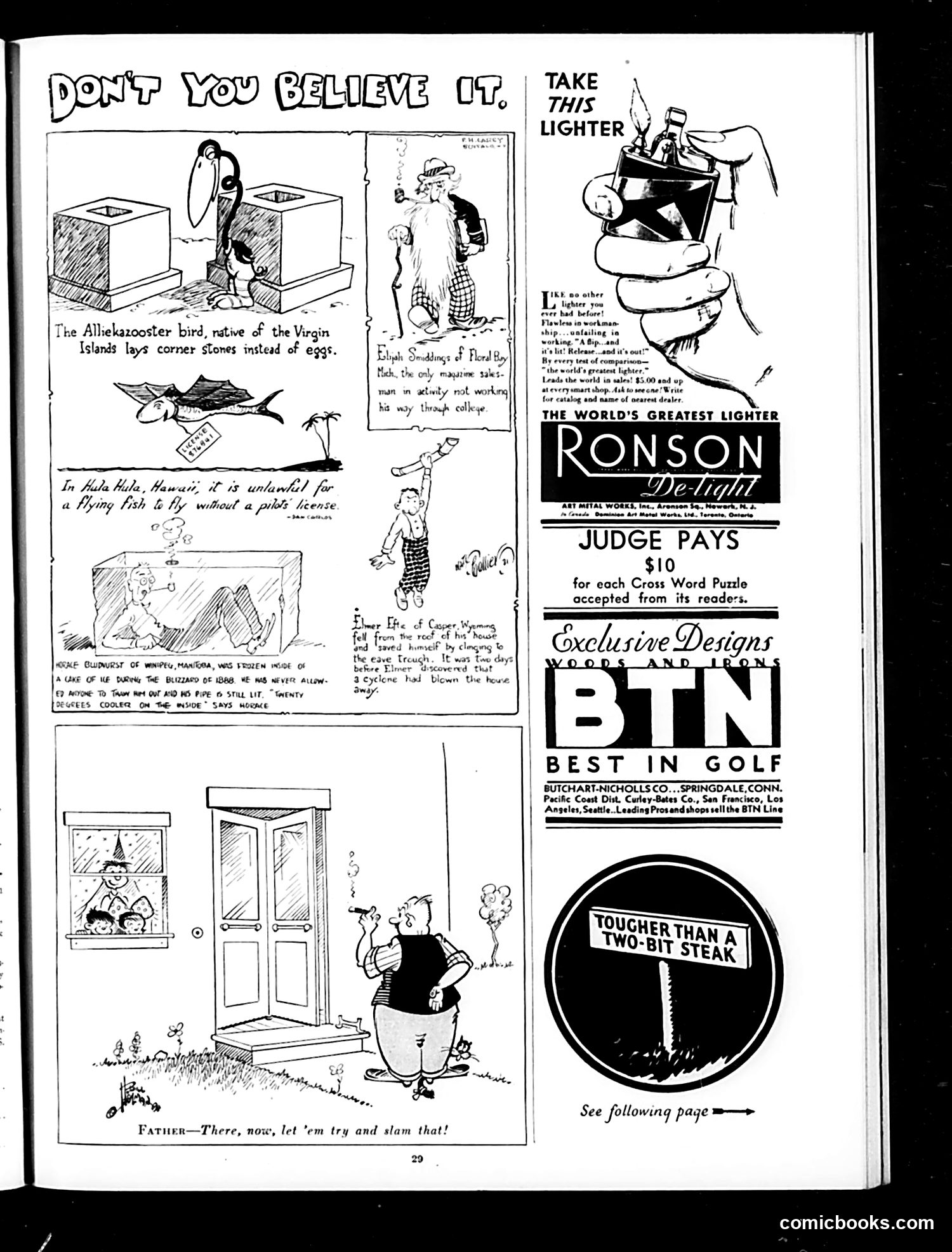
# Judge Magazine Page Analysis This page contains multiple brief satirical pieces typical of 1920s-era humor: **Top cartoon**: A chaotic airplane labeled "Just Married" with newlyweds being pelted by various objects (shoes, cans, etc.)—satirizing the chaos of honeymoons or marital discord. **"If Any" section**: Short quips about contemporary issues: - Servant shortages (a post-WWI labor problem) - Farmers' economic hardship (1920s agricultural depression) - Chicago physicians now permitted to carry revolvers due to hold-ups (crime/violence concern) **Lower cartoons**: Include social commentary about nudist cults being euphemistically called "night club entertainers" in America, and a joke about a bank cashier who studied travel literature before robbing the bank. **Overall tone**: Cynical humor reflecting 1920s anxieties—economic depression, crime waves, labor troubles, and social changes. The satire assumes readers understand contemporary news and social problems.
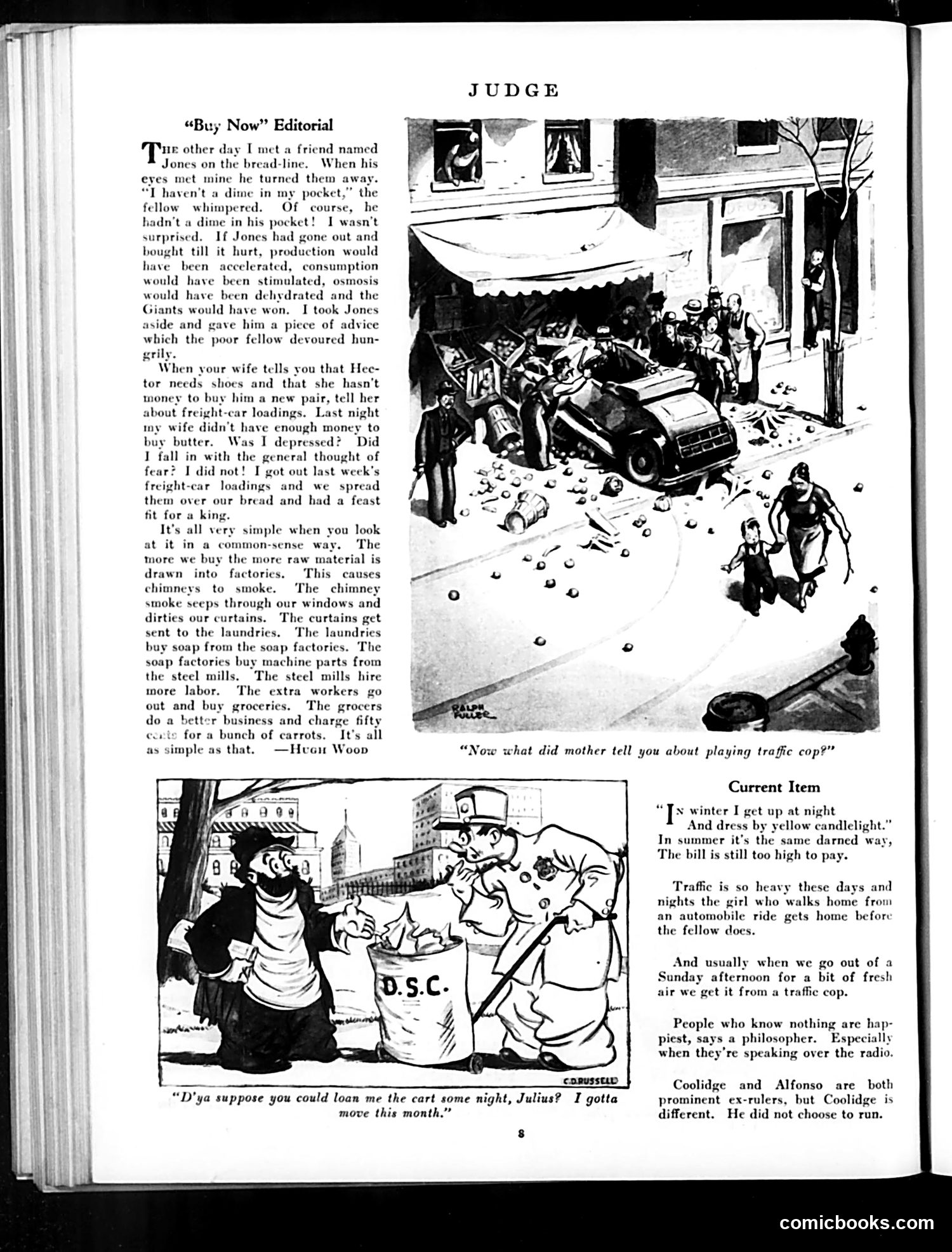
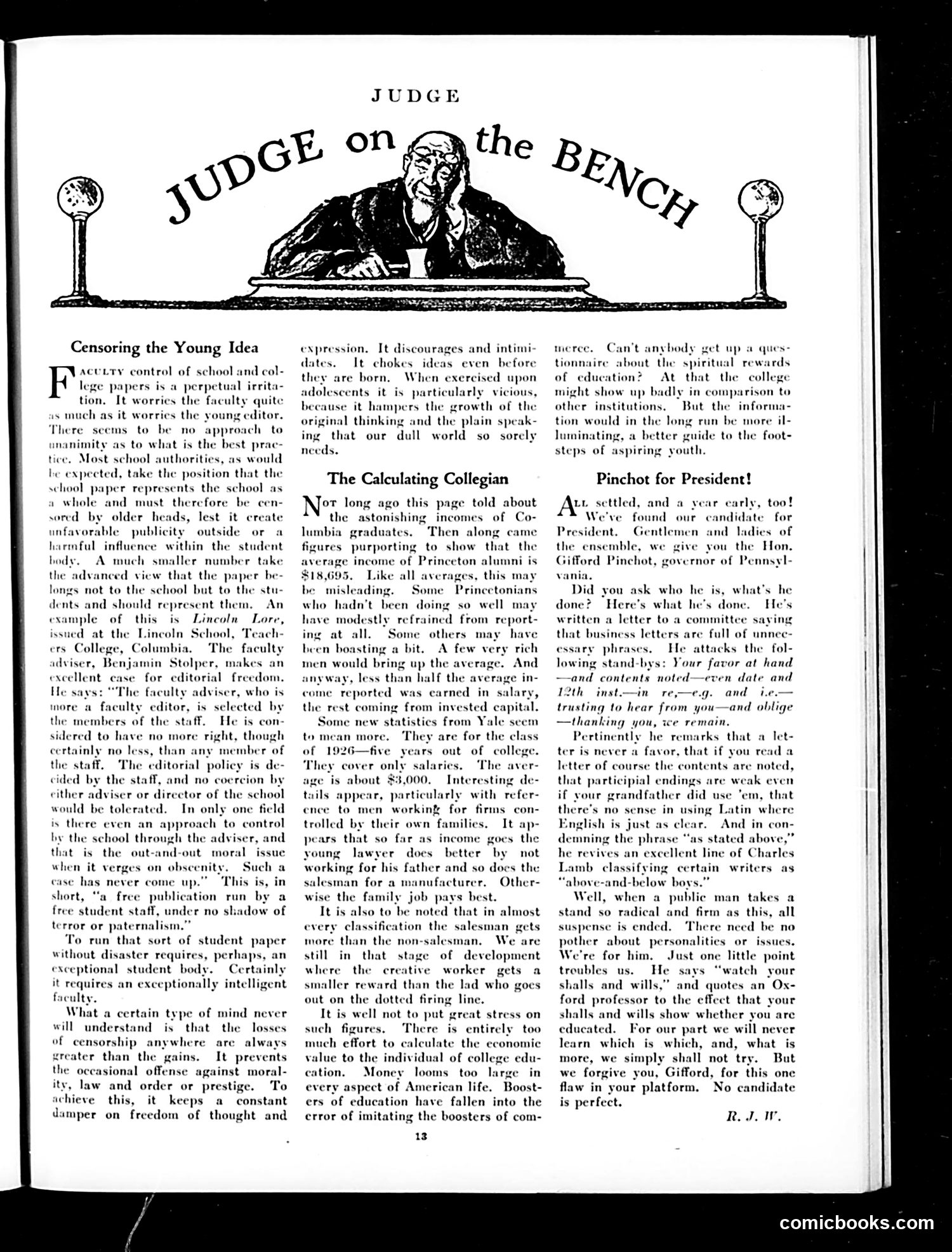
# Judge Magazine Satire Analysis This page contains two distinct satirical pieces: **"Buy Now" Editorial (top):** A mock-serious argument advocating frivolous consumption as economic stimulus. The writer humorously suggests buying unnecessary items—even on credit—stimulates production, which creates jobs, which creates demand. The absurdist logic (that buying butter creates chimney smoke that dirties curtains, requiring laundry soap, enriching steel mills) satirizes contemporary economic arguments promoting consumer spending as a cure-all. It mocks both the "buy now" messaging of the era and economic theory that treats consumption as inherently beneficial. **Lower cartoons:** The street scene depicts children playing "traffic cop" amid automobile chaos—satirizing dangerous urban traffic conditions and the era's new automobile culture. The second cartoon shows figures labeled "D.S.C." (possibly a relief organization), satirizing economic hardship and the need for loans, contrasting with the upper editorial's consumption advocacy. **The "Current Item" section** briefly discusses winter electricity bills and traffic dangers, likely contemporary social complaints. Overall: the page satirizes 1920s consumer culture, automobile problems, and economic inequality through ironic exaggeration.
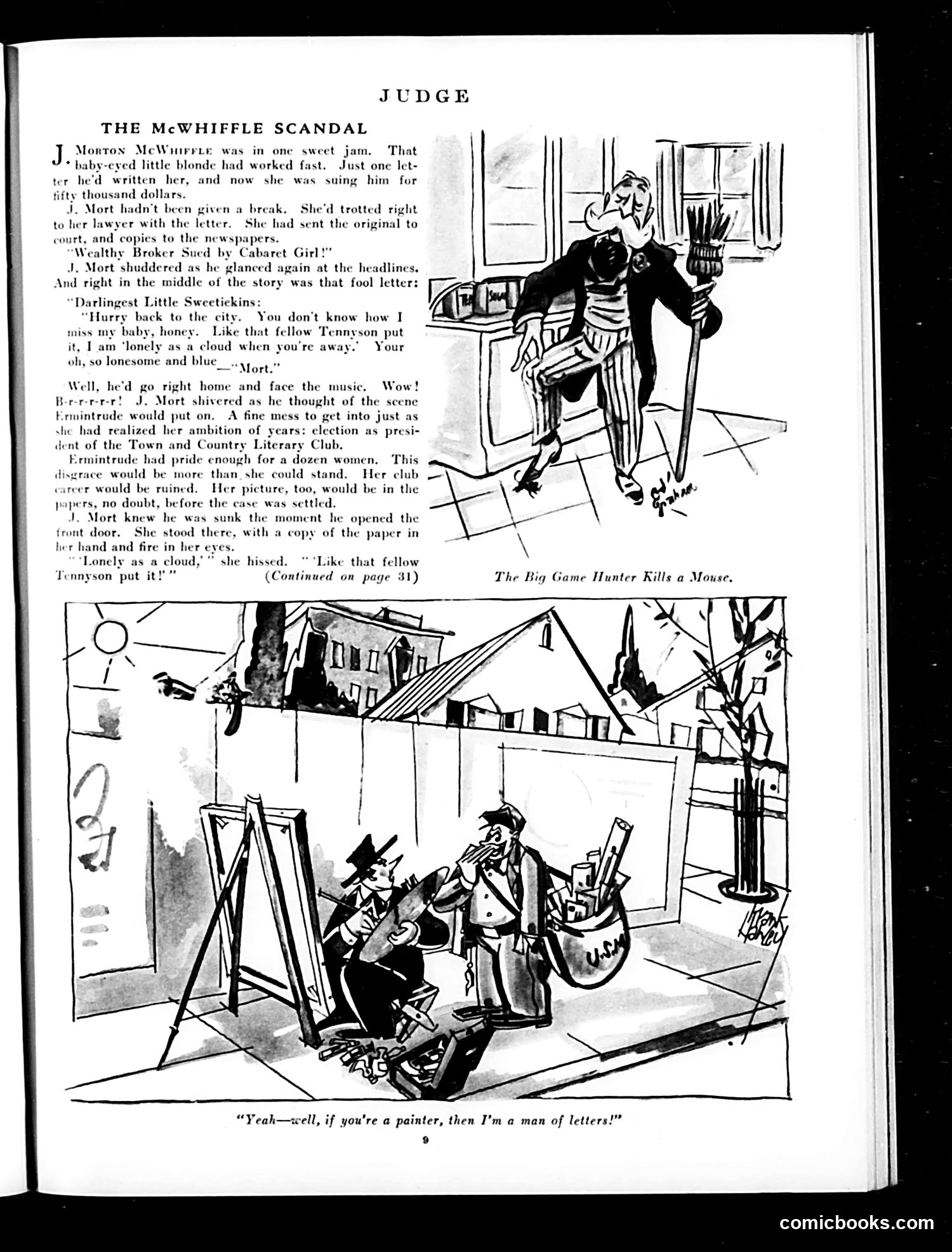
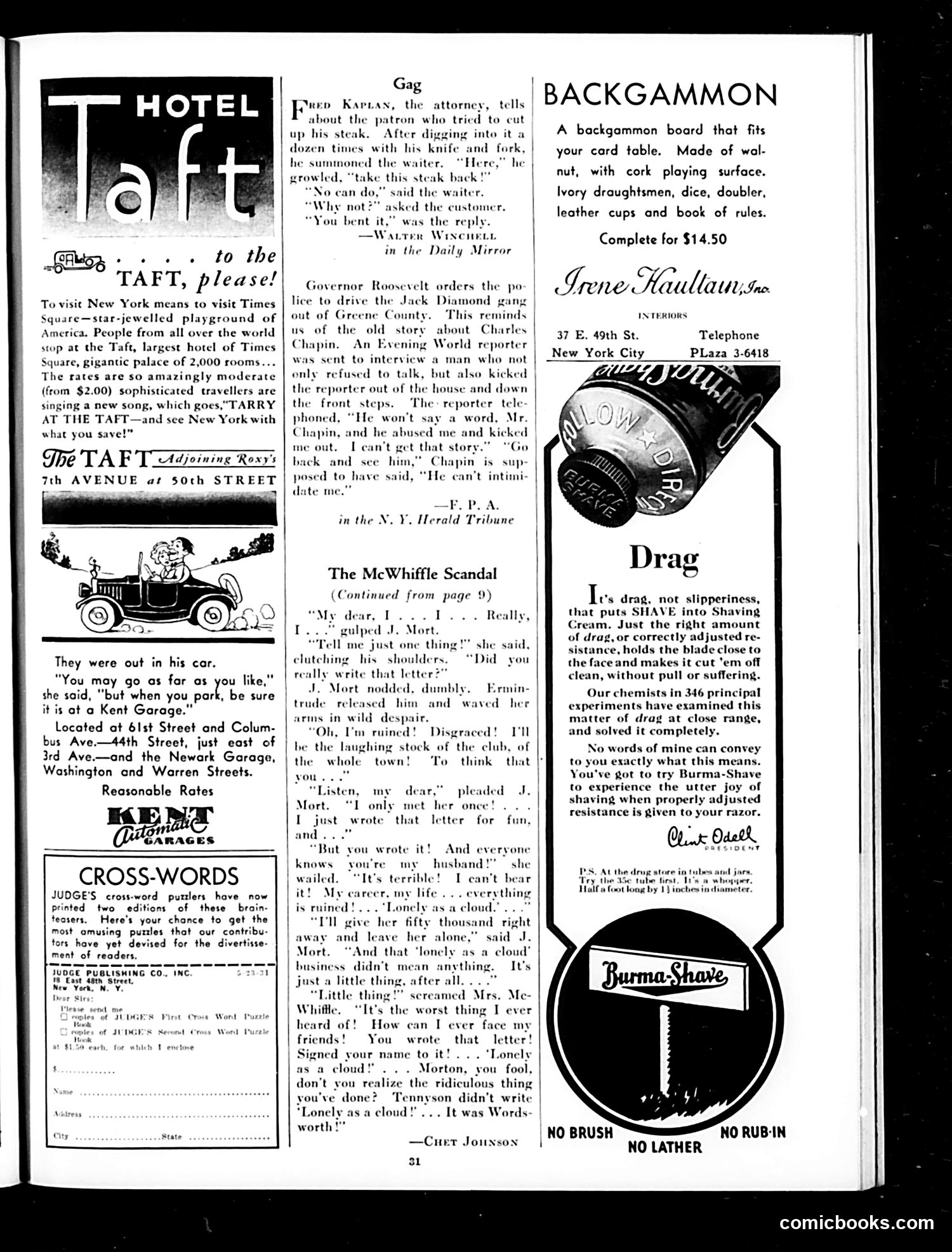
# The McWhibble Scandal (Judge Magazine) This is a satirical story about a wealthy broker caught in a scandal. Morton McWhibble has written a romantic letter to a cabaret girl, who uses it to sue him for $50,000 and leaks it to newspapers. The scandal embarrasses his wife, Ermintrude, who has just achieved her ambition of becoming president of the Town and Country Literary Club. The humor targets both characters: McWhibble's foolish sentimentality (quoting Tennyson to a cabaret dancer) and Ermintrude's pretentiousness and concern for social status over actual marital betrayal. The bottom cartoon shows two figures in what appears to be an artist's studio with the caption "Yeah—well, if you're a painter, then I'm a man of letters!"—a quip about artistic credentials and verbal facility, likely mocking pretension in artistic circles. The satire reflects early 20th-century anxieties about social reputation, infidelity among the wealthy, and women's newfound ability to use legal systems against men.