
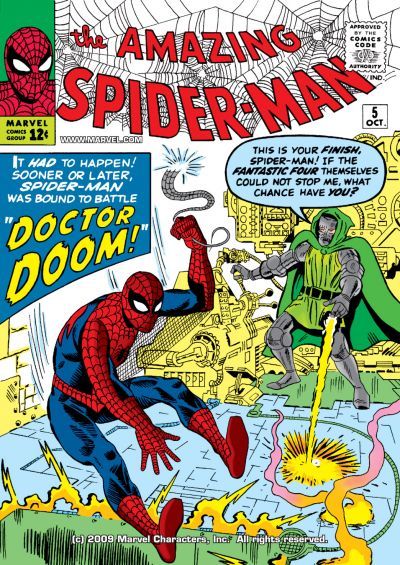
The Amazing Spider-Man #5
Amazing Spider-Man #5 stands as a watershed moment in the construction of the shared Marvel Universe: it marks the first time Doctor Doom — then firmly established as the Fantastic Four's arch-nemesis — crossed over into another hero's title, demonstrating that Marvel's characters inhabited a single, coherent world rather than isolated narrative silos. The story's premise, in which Doom seeks Spider-Man as a potential ally against the FF only to be rebuffed and routed, also crystallized a defining trait of the web-slinger: his refusal to compromise his morals even when outgunned by a far more powerful opponent. Beyond the Doom crossover, the issue quietly advanced the Spider-Man supporting cast by confirming the first names of two recurring figures — J. Jonah Jameson's secretary Betty Brant and high-school classmate Liz Allan — accelerating the soap-opera world-building that Stan Lee and Steve Ditko were constructing issue by issue. Together, these elements make ASM #5 one of the most narratively productive single issues of the Silver Age.
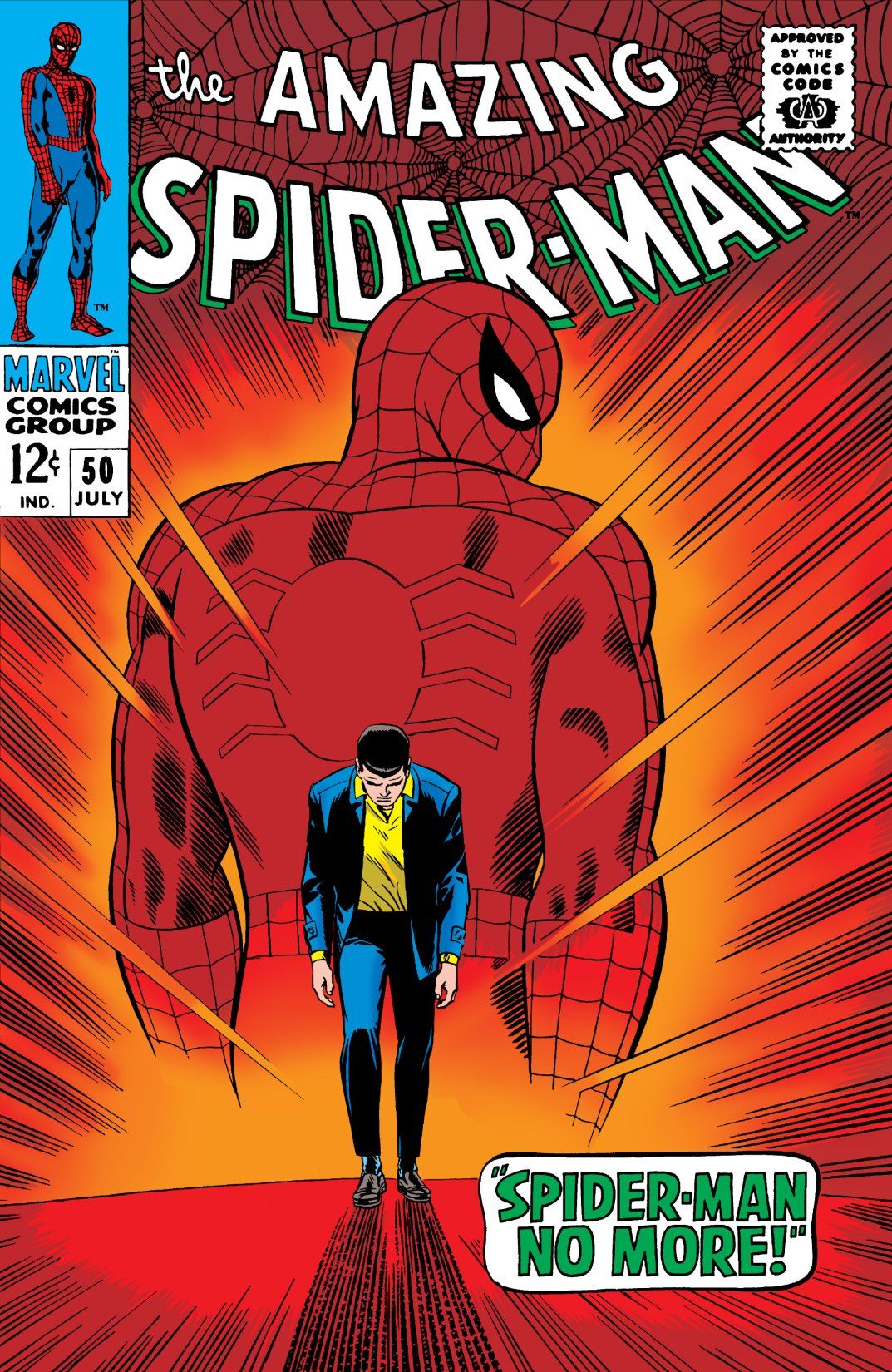
In "Marked for Destruction by Doctor Doom!", the sinister ruler of Latveria sets a cunning trap, hoping to lure Spider-Man into aiding him against the Fantastic Four—only to be thwarted when the web-slinger refuses. Enraged, Doom turns his sights on capturing Spider-Man, but a prank by Flash Thompson, dressed as the hero, leads to a shocking mix-up: Doom captures the wrong man, forcing the real Spider-Man to come to his rescue. Written by Stan Lee and illustrated with sharp precision by Steve Ditko—whose dynamic pencils and inks define the cover—this 1963 classic delivers suspense and humor in equal measure, all in a 12-cent comic that remains a cornerstone of the Amazing Spider-Man series.
ComicBooks.com Value
Show all 22 grades ▾
Find on ebay
Read it digitally
Sell my copy
Have this issue — or a whole collection? Get a fair offer from us, skip the marketplace fees and the hassle.
We Buy Collections ▸History
The issue was written by Stan Lee and drawn (pencils, inks, and cover) by Steve Ditko, with lettering by Sam Rosen; it carries a cover date of October 1963 and was released in July 1963. At this stage of their collaboration, Lee and Ditko were operating under what would later be called the Marvel Method, with Ditko plotting and drawing the story from a broad premise before Lee supplied the dialogue — a dynamic Ditko himself described as free-wheeling rather than blueprint-driven. The story follows directly from Fantastic Four #17 (August 1963), in which Doom had apparently fallen to his death after battling the FF, and serves as both a continuity bridge and an expansion of Doom's theatrical personality into a new corner of the Marvel line. The issue also marks a small but telling credit evolution: by ASM #5 the interior credits read 'written by Stan Lee' and 'drawn by Steve Ditko,' reflecting the gradual shift in how Marvel publicly attributed the collaborative story-construction process.
Trivia · 8 facts
- Written by Stan Lee and drawn (pencils, inks, and cover) by Steve Ditko, with lettering by Sam Rosen; cover-dated October 1963, released July 1963.
- First appearance of Doctor Doom outside the pages of Fantastic Four — his sole comic home since his debut in Fantastic Four #5 (July 1962) — marking him as a Marvel-wide villain rather than a FF-exclusive antagonist.
- First direct battle between Spider-Man and Doctor Doom; the two would not have a comparably significant confrontation again until Amazing Spider-Man #350 (August 1991).
- The issue reveals Betty Brant's first name for the first time (she had appeared unnamed in ASM #4) and reveals Flash Thompson's surname 'Thompson,' both small but consequential acts of world-building in the early Lee–Ditko run.
- The plot turns on Flash Thompson dressing in a Spider-Man costume as a prank, only to be captured by Doom, who mistakes him for the real hero — a comedic complication that also reinforces Peter Parker's perpetual inability to receive credit for his heroics.
- The entire Fantastic Four (Mister Fantastic, Invisible Girl, Human Torch, and the Thing) appear in a cameo, continuing the inter-title crossover strategy that Lee and Ditko used to knit the early Marvel Universe together.
- The story connects directly to Fantastic Four #17 (August 1963), explaining how Doom survived his apparent death — an example of the early Marvel Universe's unusually careful attention to inter-title continuity.
- The issue has been reprinted dozens of times internationally, including in The Amazing Spider-Man Annual #2 (1965), Marvel Tales #142 (August 1982), the Marvel Masterworks: The Amazing Spider-Man Vol. 1 collections (1998, 2002, 2009), and The Amazing Spider-Man Omnibus Vol. 1 (2007), reflecting its enduring canonical importance.
Cast · 11 characters
Full credits
Reprints
Reprinted in The Amazing Spider-Man Annual #2 (1965), Pow! #10 (1967), Sinister Tales #38 (1968), Edderkoppen #5/1968 (1968), Marvelserien #27 (1969), Hit Comics #92 (1969), O Homem-Aranha #4 (1969), Marvel #1 (1970), Marvel #2 (1970), The Mighty World of Marvel #14 (1973), The Mighty World of Marvel #15 (1973), Die Spinne #7 (1974), The Amazing Spider-Man #176 (1977), The Amazing Spider-Man #81433 [1] (1977), El Hombre Araña / El Asombroso Hombre Araña #4 (1980), Marvel Tales #142 (1982), The Marvel Saga the Official History of the Marvel Universe #10 (1986), Marvel Masterworks #1 (1987), Σπάιντερ Μαν [Spider-Man] #390 (1988), Orígenes Marvel #3 (1992), The Amazing Spider-Man Masterworks #1 (1992), Spider-Man Classic #3 (1993), Spider-Man Classics #6 (1993), The Essential Spider-Man #1 (1996) + 36 more
Key issues in The Amazing Spider-Man
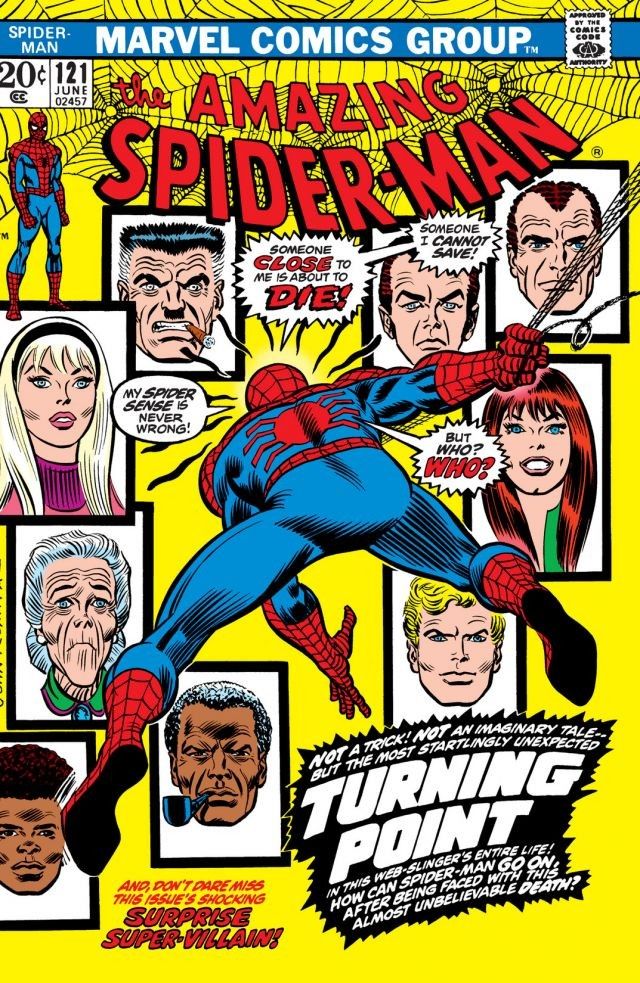 ★
★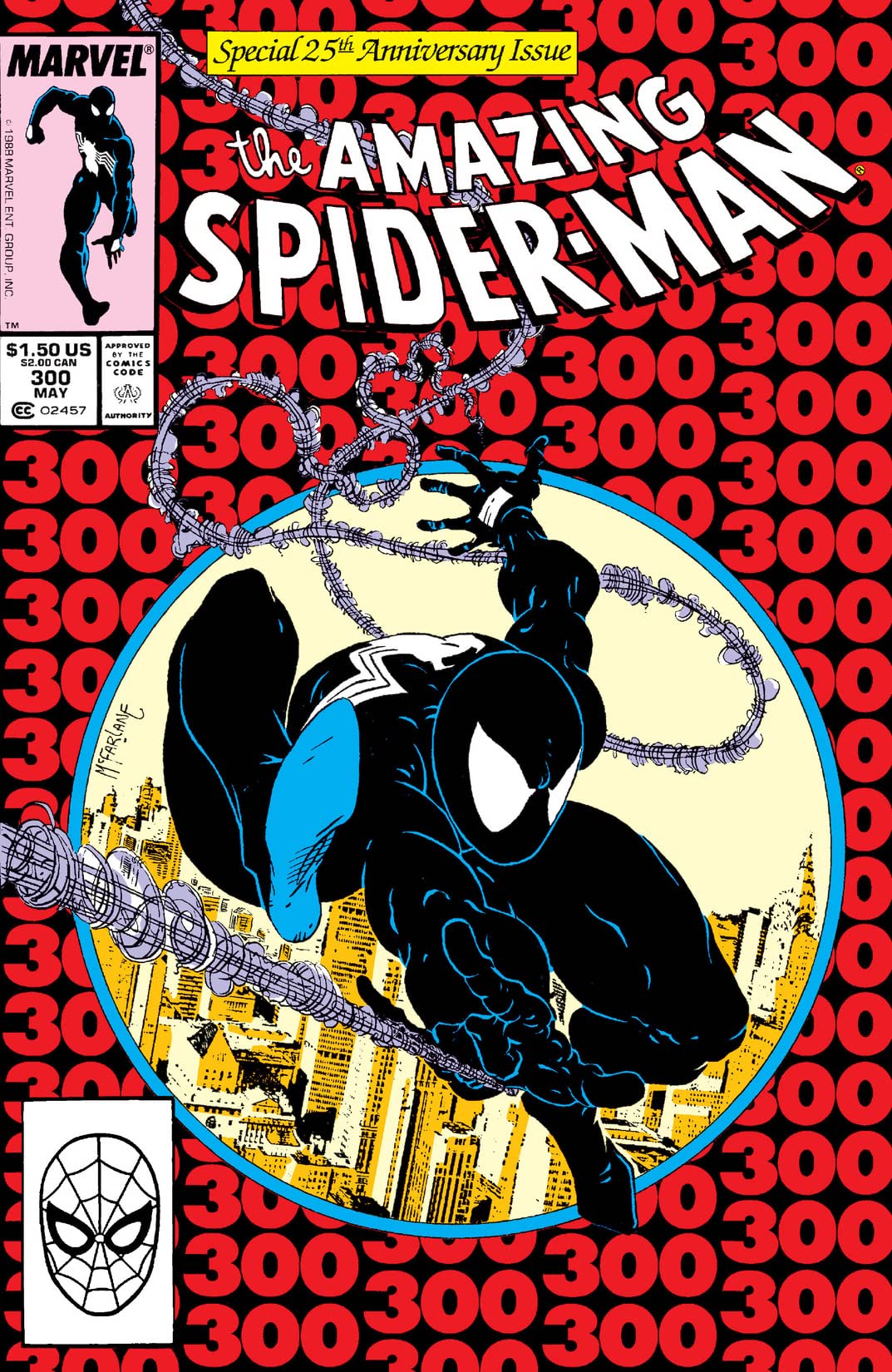 ★
★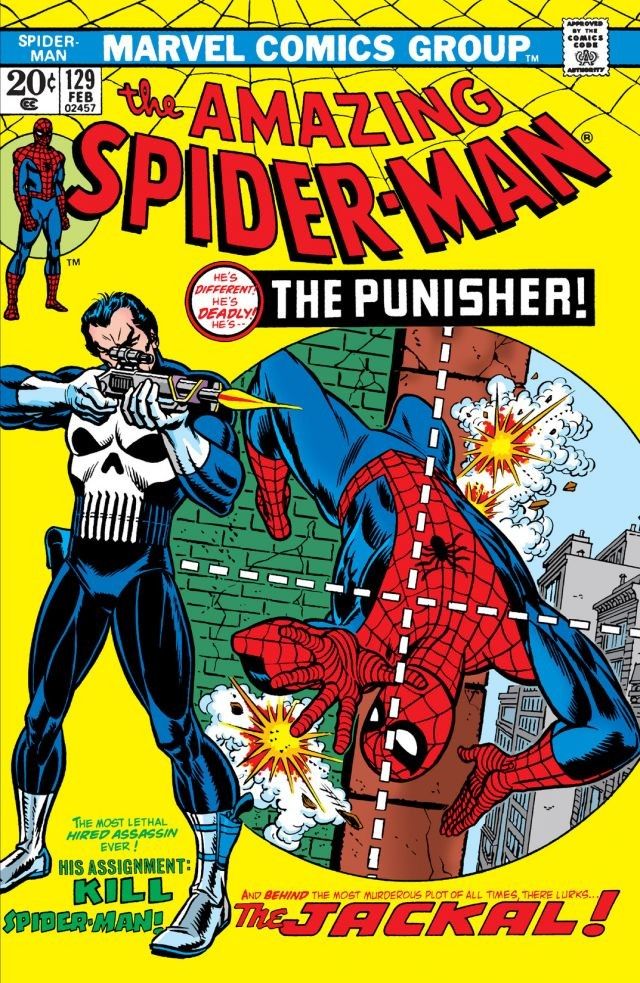 ★
★ ★
★ ★
★ ★
★ ★
★ ★
★Variants (1)
Reviews
Reader reviews
No reader reviews yet.