
The Adventurers
The decade comics grew up: continuity, adventure, and the first heroes to point straight at the comic book.
When the Funnies Got Ambitious
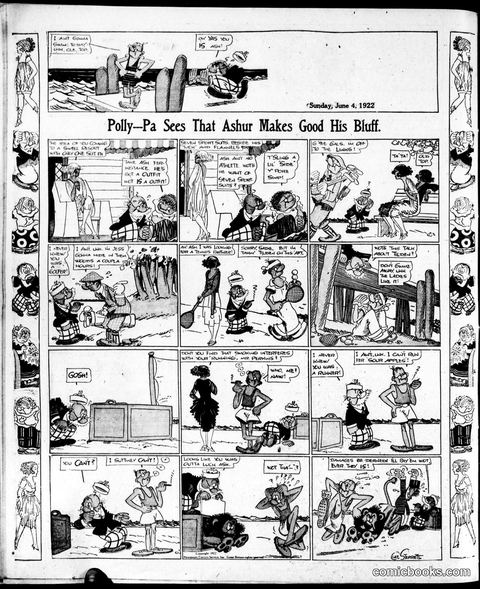
The comic strip was born to make readers laugh in a single daily row of panels. But across the 1920s, a generation of cartoonists discovered that the form could do far more. They stretched the gag into the serial, the joke into the saga, and in doing so built the storytelling grammar that the comic book would inherit a decade later.
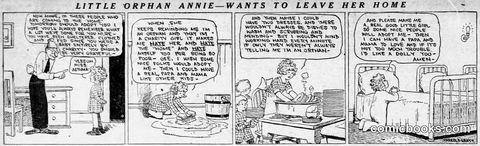
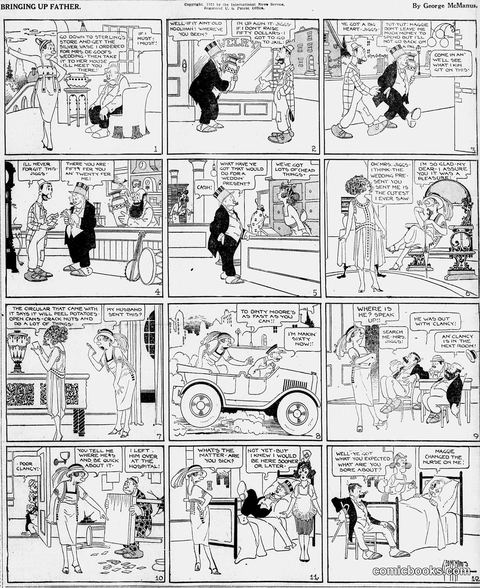
The great engine of this change was daily continuity — the idea that a story could carry from one day's strip to the next, keeping readers turning to the newspaper morning after morning. Once a plot could run for weeks, comics could hold suspense, develop character, and take on subjects far beyond the punchline: melodrama, romance, crime, and adventure.
Adventure, Science Fiction, and Real Life
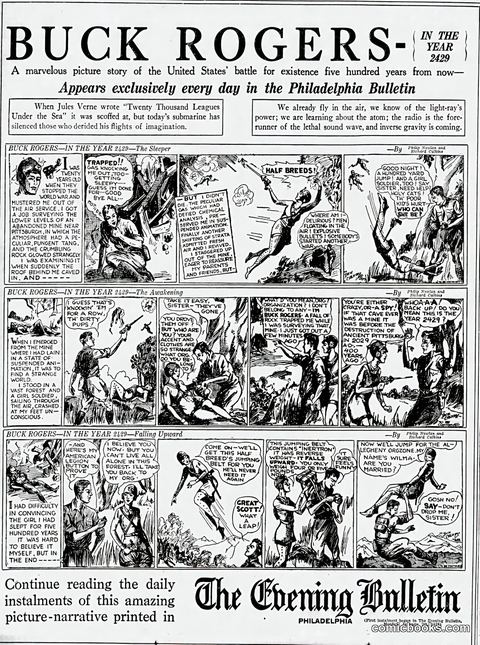
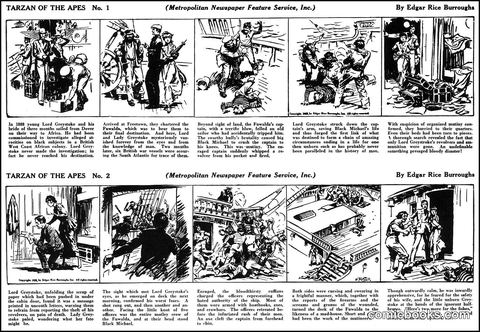
No single date captures the shift better than the winter of 1929, when two strips launched on the very same day and split the future of adventure comics between them. Buck Rogers, adapted from Philip Nowlan's pulp fiction, became the first major science-fiction comic strip, filling the funny pages with rockets, ray guns, and the 25th century. Tarzan, drawn by Hal Foster, brought the polished draftsmanship of magazine illustration to the newspaper, proving comics could be rendered with the realism of fine adventure art rather than the shorthand of the gag cartoon.
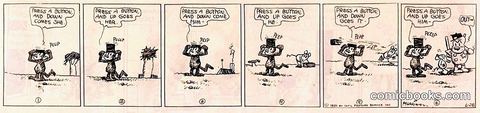
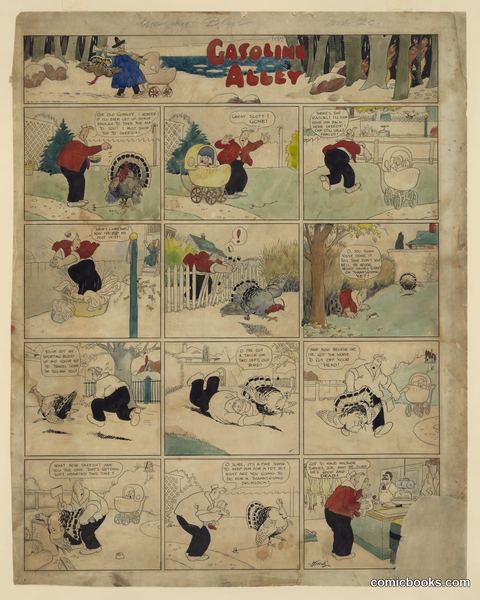
Others pushed in quieter but equally radical directions. Frank King's Gasoline Alley let its characters age in real time — a baby left on a doorstep grew up year by year alongside its readers, something no strip had done before. And George Herriman's Krazy Kat, with its shifting desert dreamscapes and tender love triangle, earned a reputation as the most poetic and critically revered work the medium had yet produced.
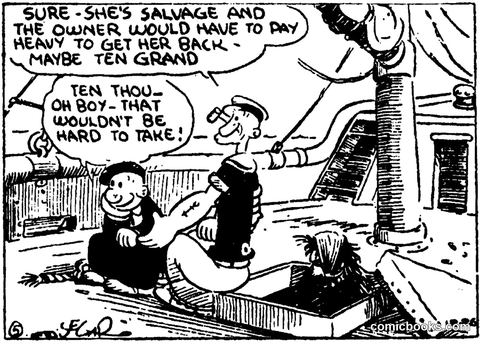
These strips — soap opera, science fiction, jungle adventure, lyric art — expanded what comics could be. When the comic book arrived in the 1930s, it was built on their foundations. Fittingly, several of the 1929 strips gathered here (Popeye, Buck Rogers, and Tarzan among them) entered the U.S. public domain in 2025, so we can share them freely.
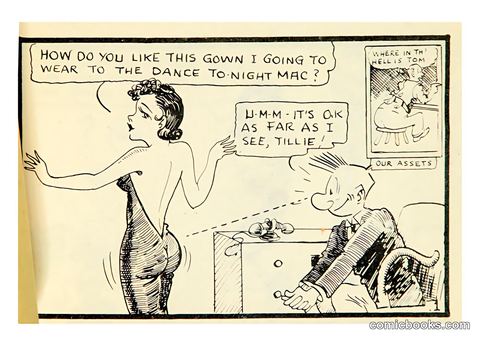
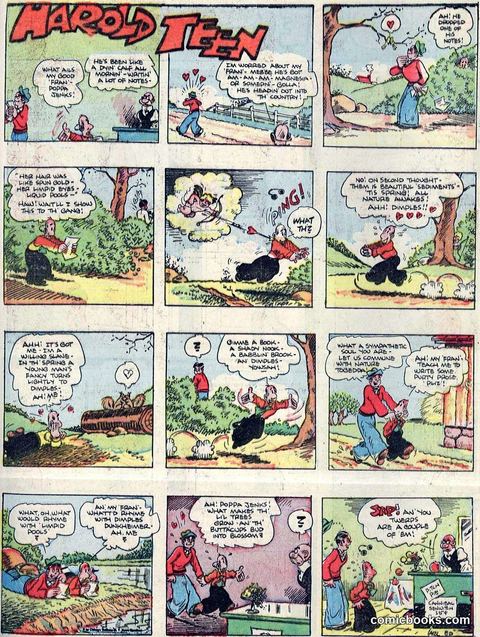
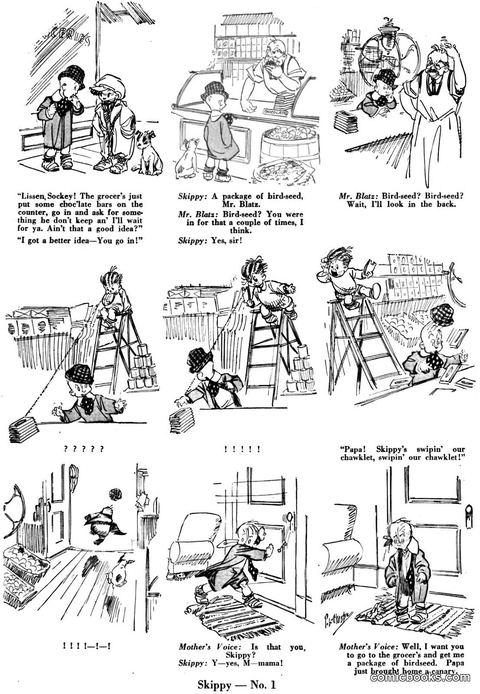
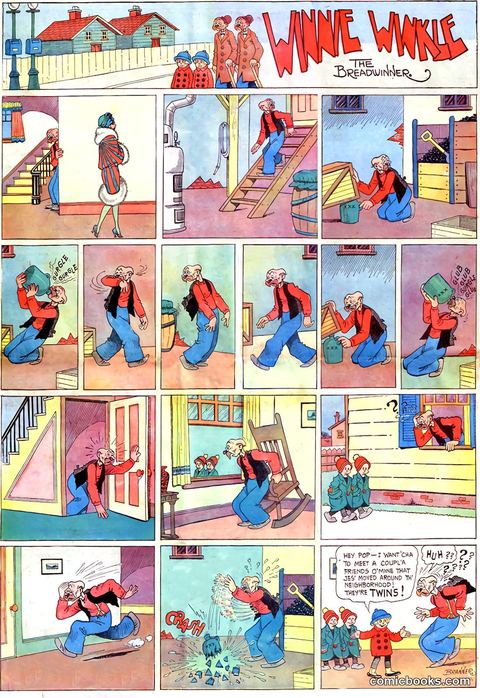
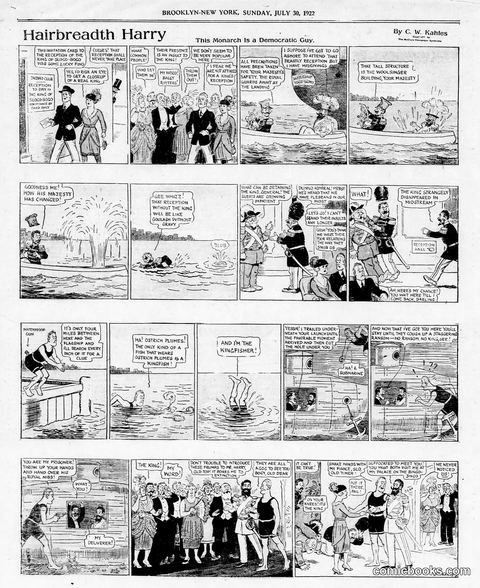
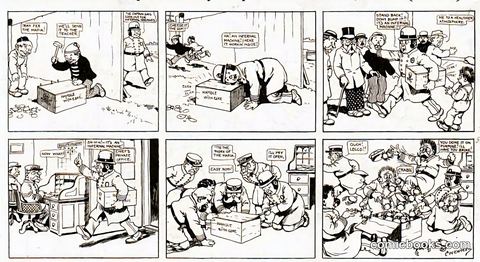
All works shown are in the public domain, digitally restored by ComicBooks.com.