
Comics Learn to Move
When the funny-page artists made their drawings breathe—and the comic strip taught pictures how to move.
In the second decade of the twentieth century, the printed cartoon learned a startling new trick: it began to move. The comic strip and the animated cartoon are close kin, and for a few remarkable years the same hands drew both. Newspaper artists who had spent their careers coaxing life out of static panels discovered that if they drew the same character again and again, with tiny changes from sheet to sheet, and then flickered those sheets past the eye, the character would appear to breathe, walk, and think. Animation was, in a real sense, the comic strip set in motion.
From Panel to Motion
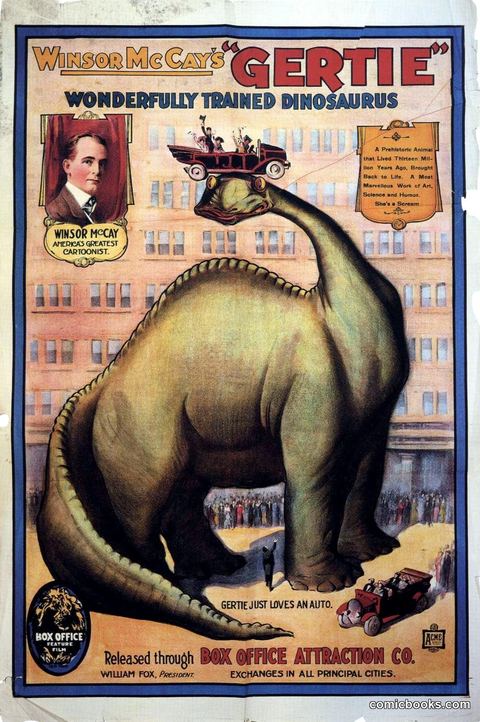
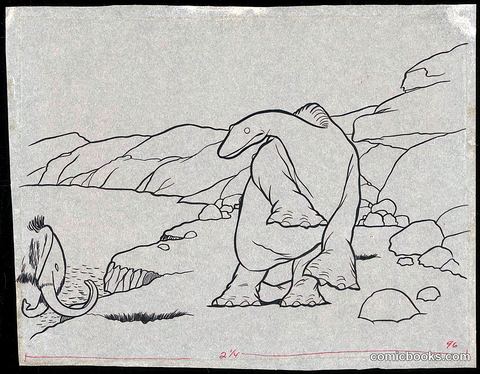
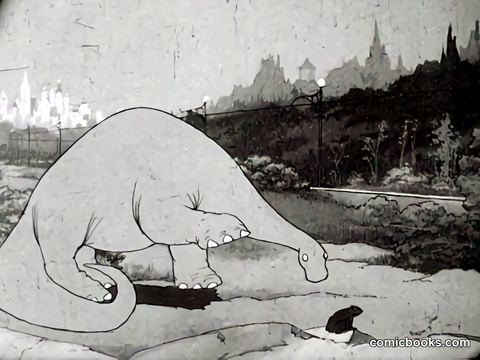
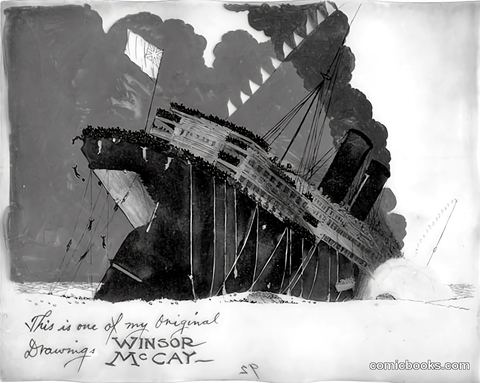
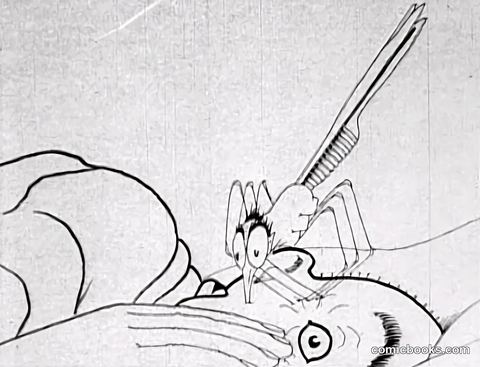
No one embodied that leap more completely than Winsor McCay. Already famous for the luxuriant Sunday pages of Little Nemo in Slumberland, McCay brought a draftsman's discipline and a showman's flair to the new medium. His films required thousands of hand-inked drawings, each a variation on the last, and they proved that a drawn figure could carry weight, personality, and feeling. McCay is rightly remembered as a father of both American comics and American animation—the bridge between the printed page and the projected image.
A New Kind of Star
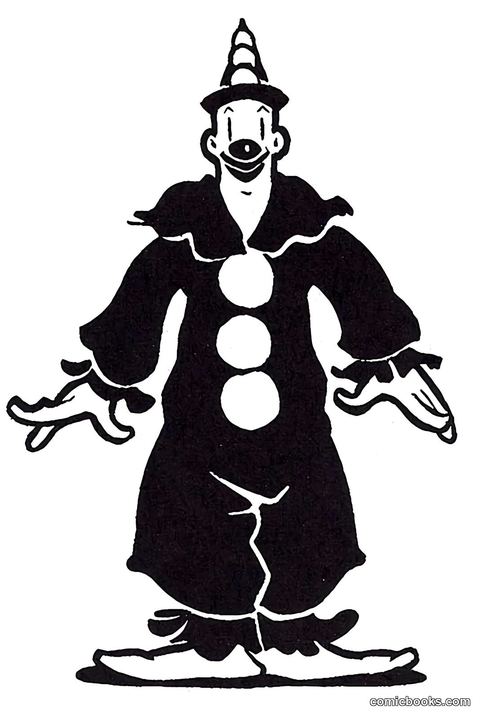
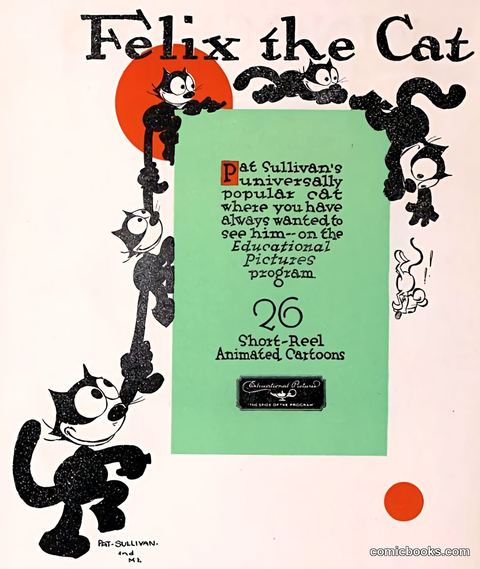
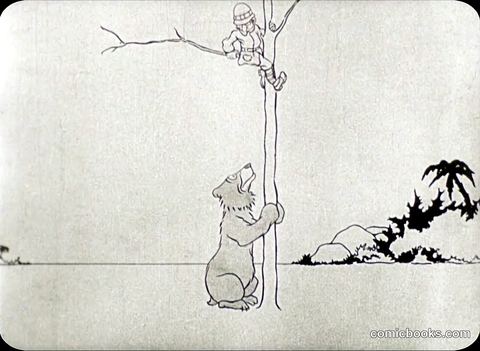
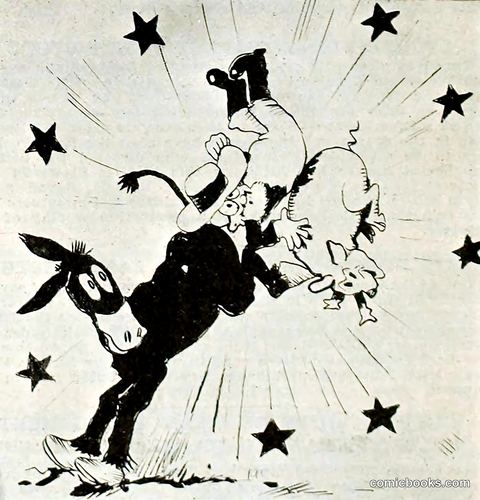
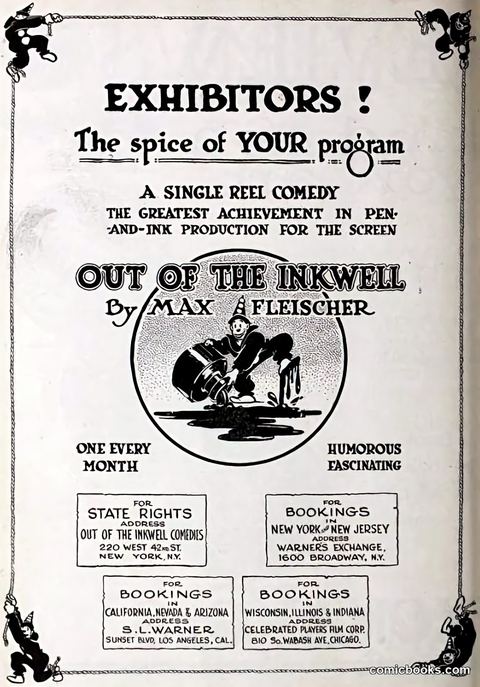
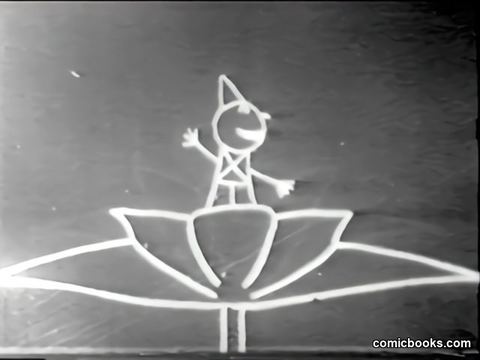
What McCay pioneered as art, others soon built into an industry. Studios refined the labor of animation and, crucially, invented the animated character—a personality audiences would line up to see again and again. Max Fleischer's playful Koko and, a little later, the mischievous Felix the Cat became stars in their own right, as recognizable as any human actor. The lineage runs straight from the funny pages to the movie screen: the comic strip gave animation its visual language, its sense of timing, and its first beloved characters. In this gallery you can watch drawings take their first steps.
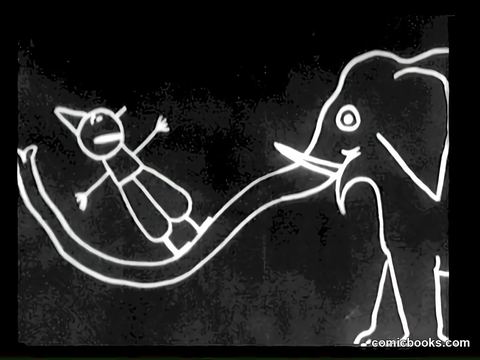
All works shown are in the public domain, digitally restored by ComicBooks.com.