
H. G. Wells● Active
Comics debut 1946
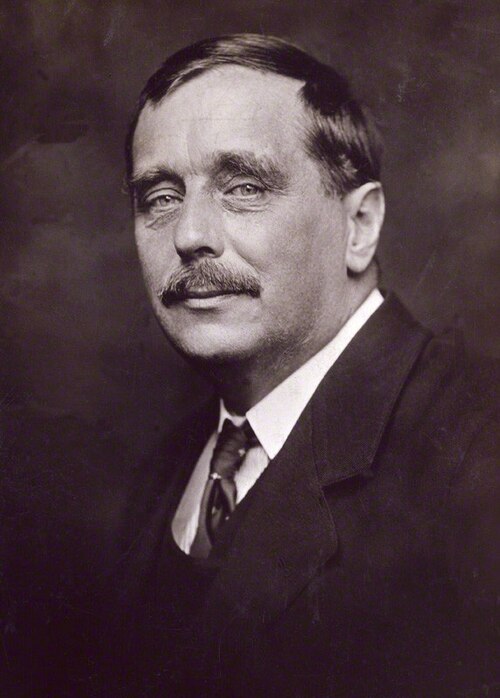
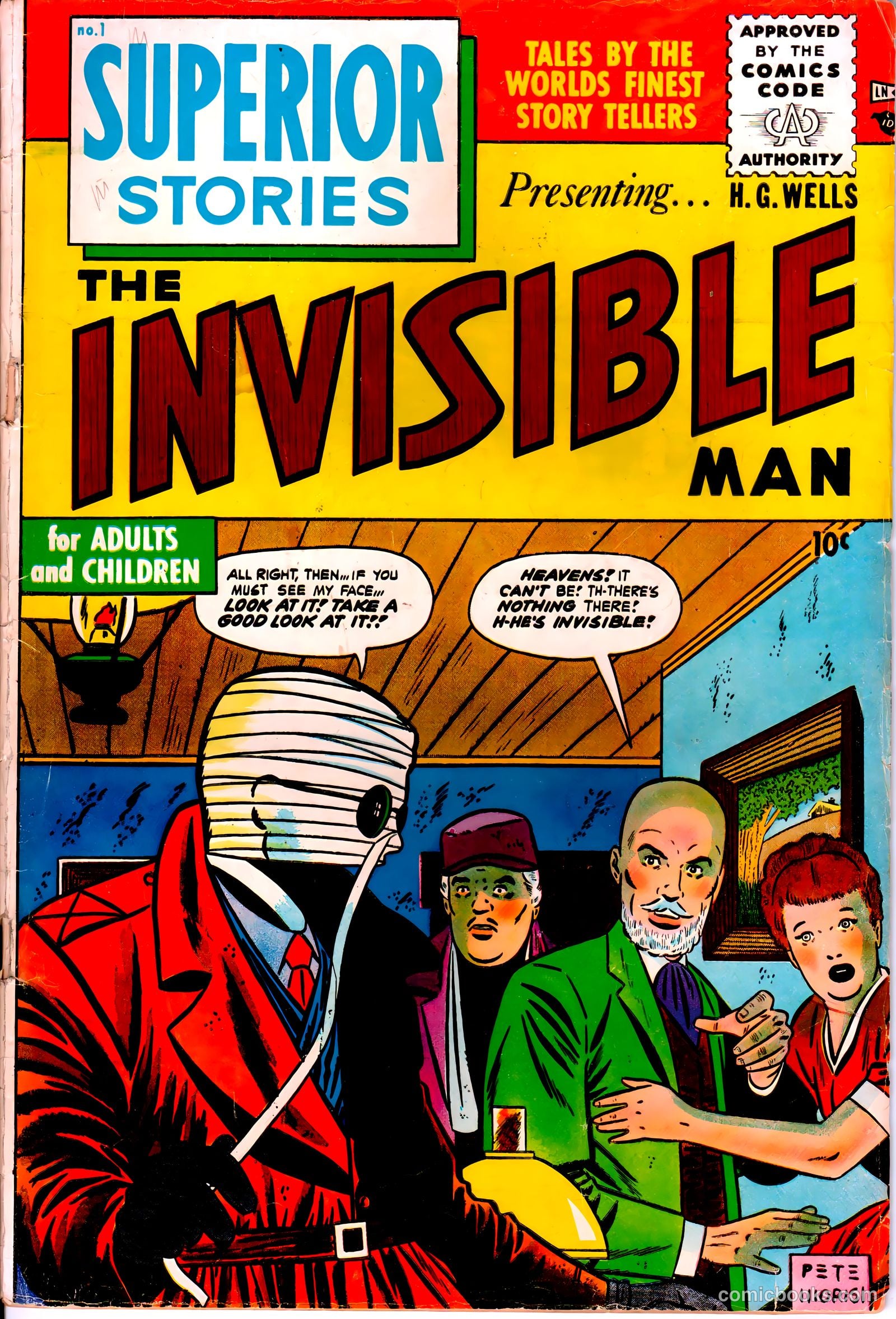
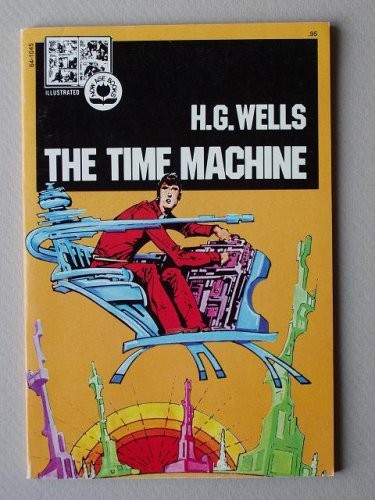
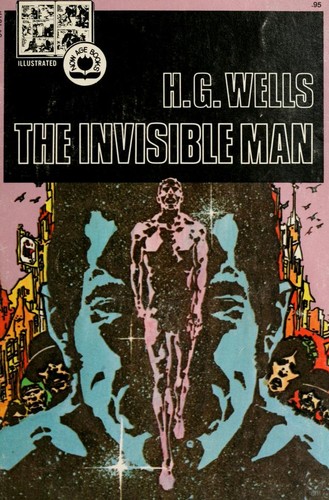
Herbert George Wells (21 September 1866 – 13 August 1946) was an English writer and social critic, best known for pioneering science fiction. Born in Bromley, Kent, he trained as a biologist, which informed his Darwinian worldview. Wells’s early novels—*The Time Machine* (1895), *The Island of Doctor Moreau* (1896), *The Invisible Man* (1897), and *The War of the Worlds* (1898)—established his signature approach: grounding one extraordinary premise in commonplace detail, a technique Joseph Conrad praised as “Realist of the Fantastic.” He also wrote social realism in *Kipps* (1905) and *The History of Mr Polly* (1910), earning comparisons to Charles Dickens. A lifelong socialist and futurist, Wells predicted aircraft, tanks, nuclear weapons, and the World Wide Web. His later work included utopian visions and dystopian fiction like *When the Sleeper Wakes* (1910). He was nominated four times for the Nobel Prize in Literature. Wells’s legacy as the “father of science fiction” (alongside Jules Verne) endures; his concepts of time travel, alien invasion, and invisibility shaped the genre. He was also a controversial advocate for eugenics. His stories were adapted into the *Classics Illustrated* comic series, credited on 83 issues from 1955 onward.
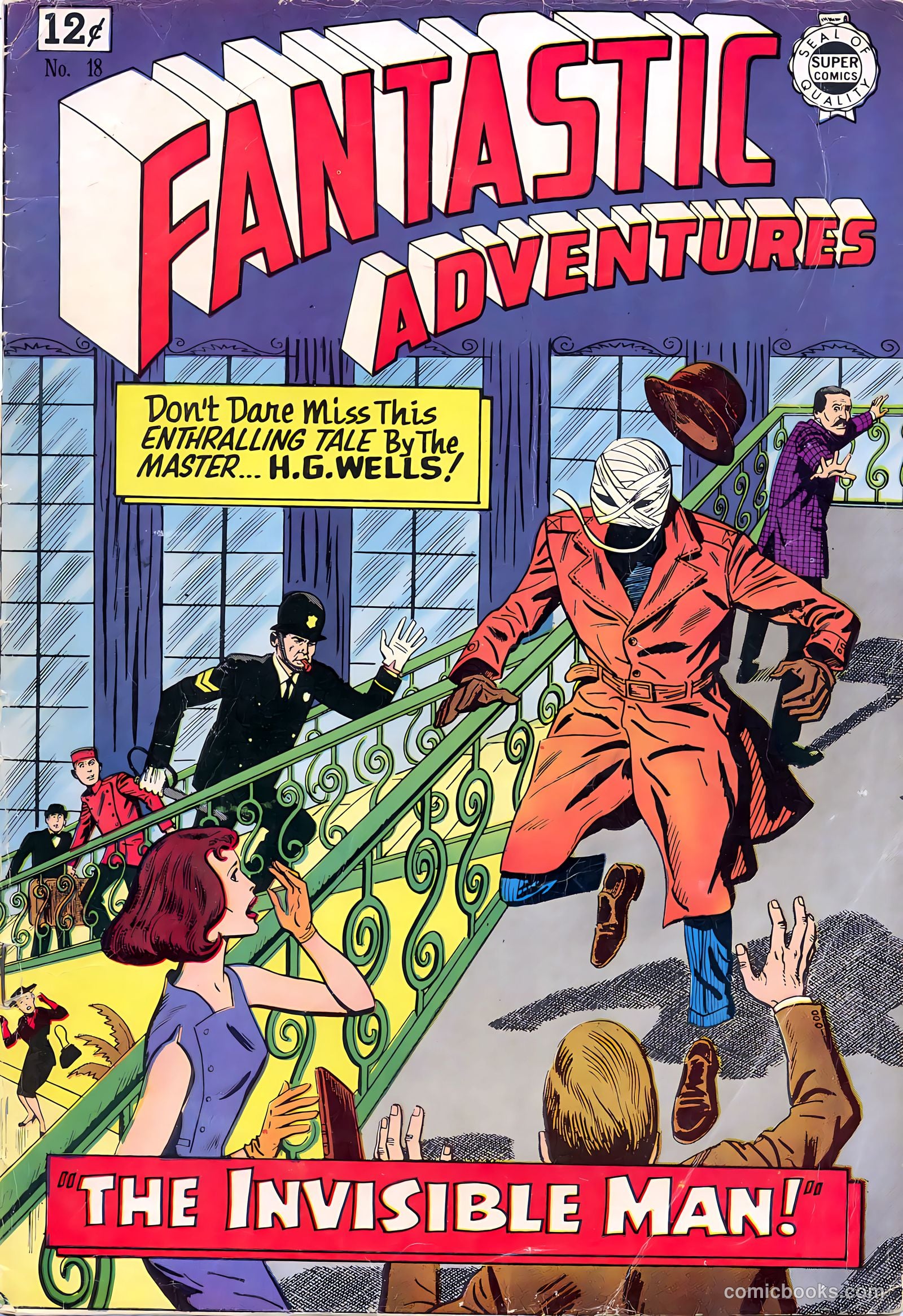
Known for
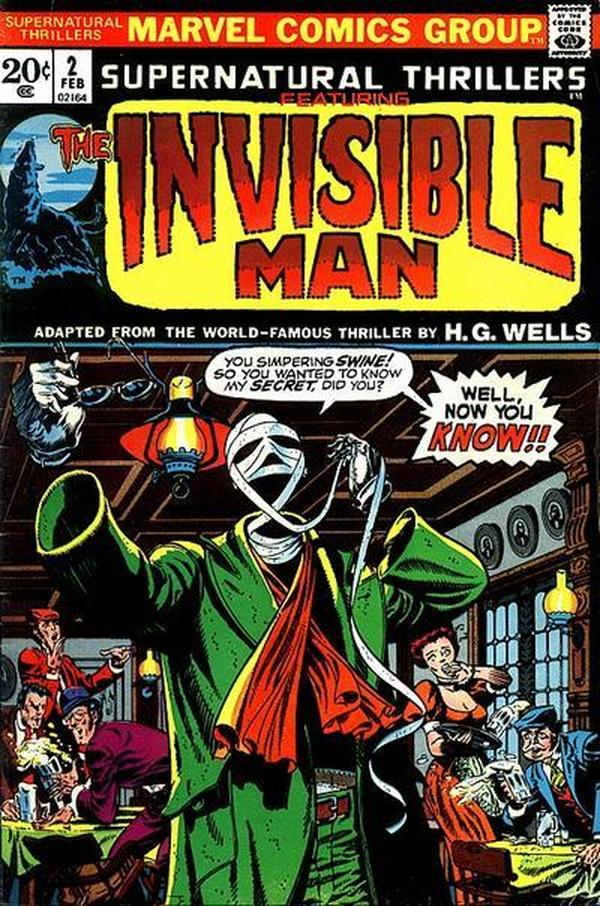
![The War of the Worlds #[nn]](https://img.comicbooks.com/covers/openlibrary/0883011379.jpg)
Shop H. G. Wells's comics
✦ Is this your page? Are you H. G. Wells, or represent their estate? Claim it.
Full bibliography · 38 series
Original biography and editorial content © ComicBooks.com LLC. Information drawn in part from Wikipedia and the Grand Comics Database. Portrait by George Charles Beresford / Wikimedia Commons (Public domain). Cover thumbnails shown under fair use, each linking to its issue.