
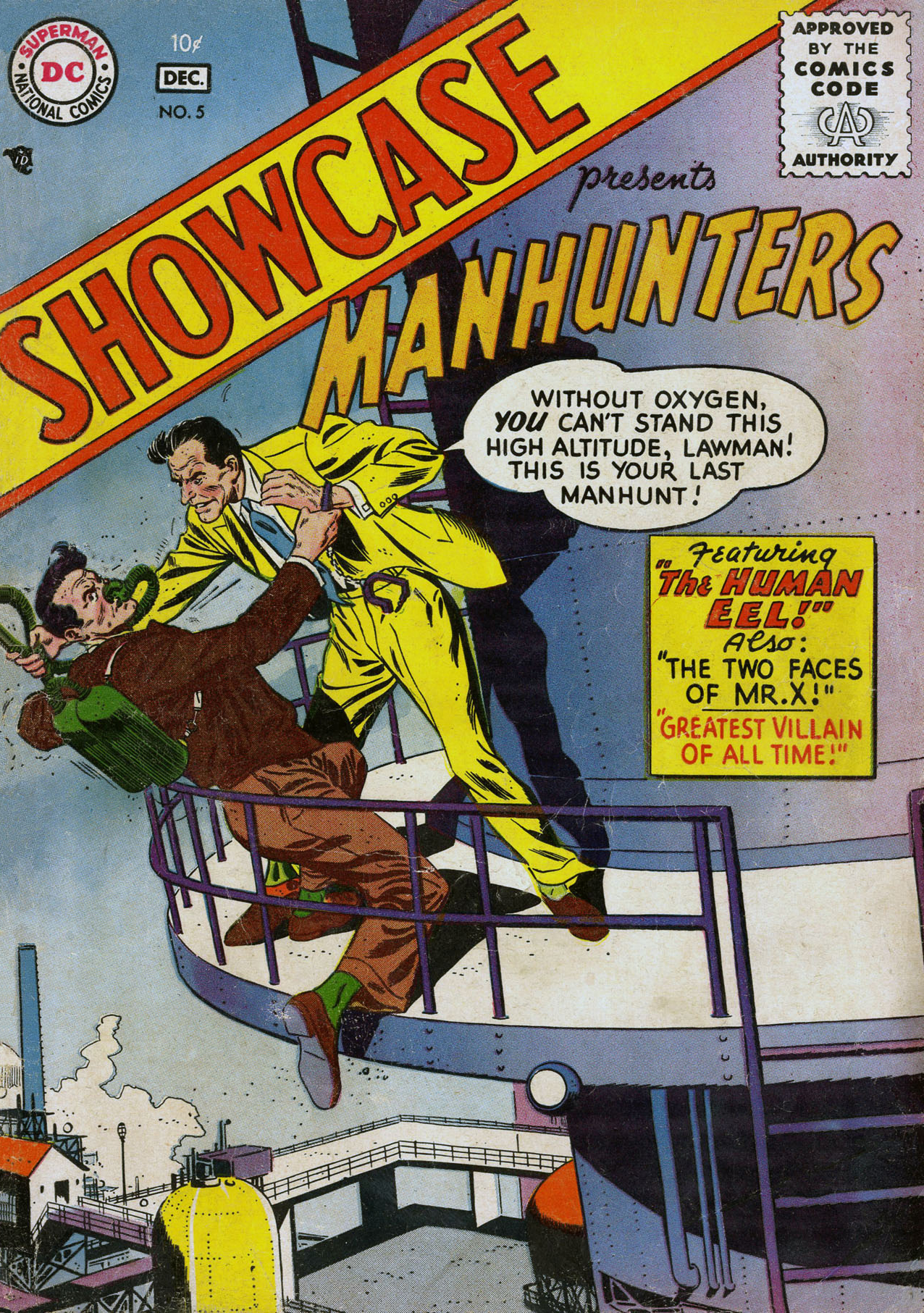
Showcase #5
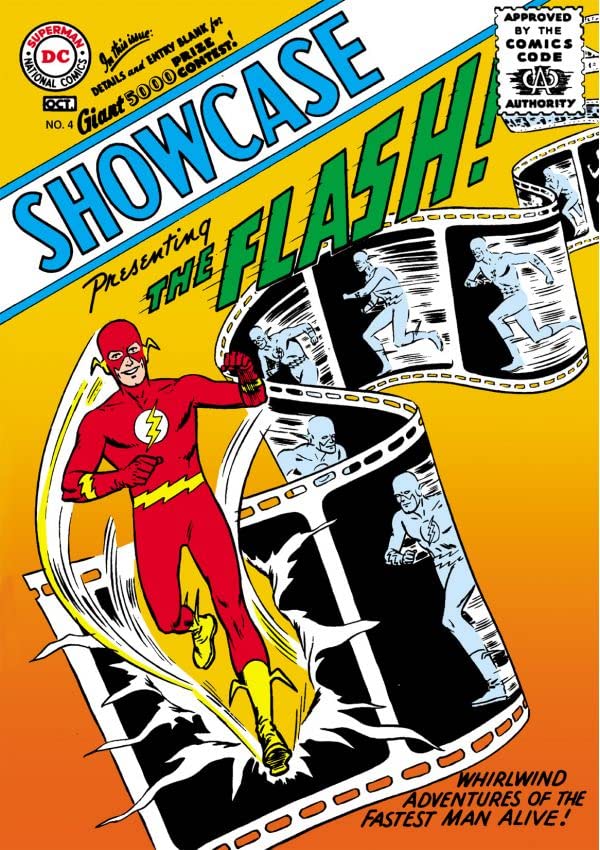
☆ Be the first to review + Add to your collection — Join freeShowcase #5 occupies a peculiar but telling place in Silver Age history: it arrived on newsstands immediately after Showcase #4 introduced Barry Allen's Flash — the issue that would eventually be credited with igniting the Silver Age — yet DC's editorial team had no idea #4 had struck gold, because 1950s sales reports moved far too slowly to reach the home office in time. The result was that editor Jack Schiff pressed forward with a grounded, genre-driven police anthology called 'Manhunters,' demonstrating in real time how DC's try-out machine operated in the dark, issue by issue, without feedback. The issue is historically significant precisely because it did NOT launch an ongoing series, making it a vivid snapshot of the trial-and-error editorial philosophy that defined Showcase's early run and, by contrast, threw into relief just how exceptional the Flash's eventual success truly was. It also stands as one of the final examples of the pre-superhero anthology formula that had dominated DC's non-flagsip output in the early 1950s.
In a shadowy game of cinematic obsession, a thief targets legendary movie roles, stealing artifacts that bring iconic villains to life. Only Lt. Harry Fowler, a former Hollywood screenwriter haunted by his own past, can piece together the clues—before the final act of madness begins.
In "The Two Faces of Mr. X," fashion model Don Reed is pulled into a high-stakes deception when the FBI recruits him to impersonate Alex Tate, a crime boss. As Reed studies Tate’s habits and prepares for the role, he’s stunned to learn the real Tate was set to undergo plastic surgery—just before being captured. Forced into the operating room and wrapped in bandages, Reed must use his wits and a hidden cache of knockout gas to turn the tables on the syndicate.
In "The Human Eel," Agent Drew, haunted by a past shock that weakened his heart, races across the globe—from the Eiffel Tower to the Egyptian pyramids and finally to a high bridge in Johannesburg—chasing a criminal mastermind whose shock suit keeps him one step ahead. Disguised as the Eel’s rival Zorac and relying on an oxygen mask to survive the altitude, Drew makes one final, desperate move to dismantle the suit’s power.
ComicBooks.com Value
Show all 18 grades ▾
This exact issue on ebay
CGC 8.5 ▾ $3,500–$3,850 2 listings
Raw / ungraded ▾ $254–$293 2 listings
More listings for this title
Read it digitally
Sell my copy
Have this issue — or a whole collection? Get a fair offer from us, skip the marketplace fees and the hassle.
We Buy Collections ▸History
With sales figures for Showcase #4 still weeks or months away from reaching DC's editorial office, editor Jack Schiff — best known for his long tenure overseeing the Batman family of titles — assembled a trio of police-procedural short stories under the umbrella title 'Manhunters,' drawing on a tradition of police anthology features (including 'Manhunters Around the World,' which had appeared in Star Spangled Comics, World's Finest Comics, and Detective Comics, all titles Schiff had edited). Writer Jack Miller scripted all three tales, with art duties split among veteran Silver Age hands Mort Meskin, Curt Swan (with inks by Sy Barry), and Bill Ely; the cover was painted by Ruben Moreira. Published under the National Comics Publications Inc. indicia and printed by World Color Press in Sparta, Illinois, the book carried a ten-cent cover price standard for the era.
Trivia · 8 facts
- Cover date: November–December 1956; publisher listed as National Comics Publications Inc. (DC Comics).
- The issue features 'Manhunters,' an anthology of three self-contained human police-detective stories — not to be confused with the Martian Manhunter (J'onn J'onzz), who debuted in Detective Comics #225 the prior year.
- The three stories are: 'The Greatest Villain of All Time' (art by Mort Meskin), 'The Two Faces of Mr. X' (art by Curt Swan and Sy Barry), and 'The Human Eel' (art by Bill Ely); all written by Jack Miller.
- Editor: Jack Schiff. Cover art by Ruben Moreira.
- The issue was produced and released while DC's editorial office was still awaiting sales data on Showcase #4 (the Flash debut) — confirming that the Manhunters concept was chosen without any knowledge that the superhero experiment next door had already changed comics history.
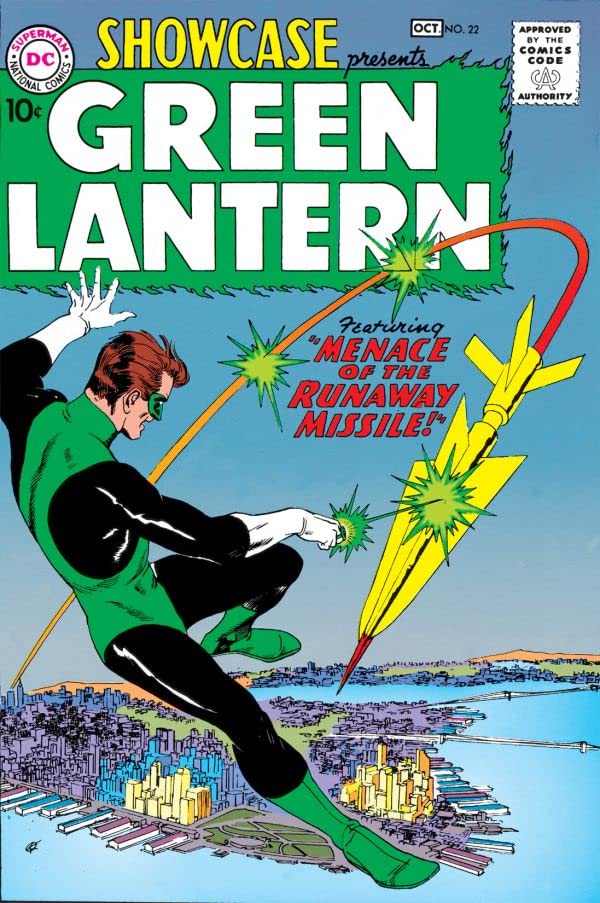
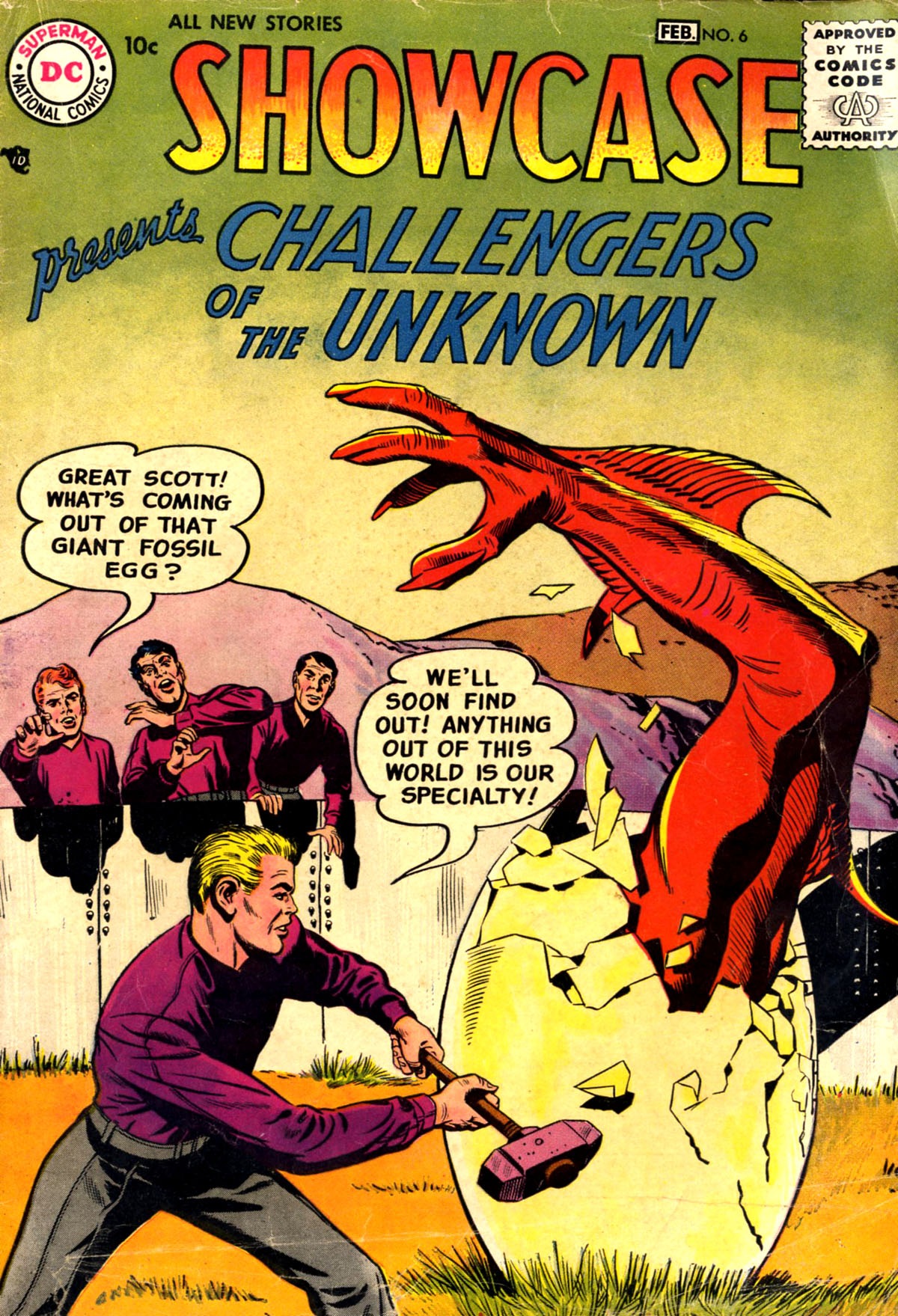
- Showcase #5 is the last issue in Showcase's early run whose featured concept did not graduate to an ongoing title — every subsequent hit (Challengers of the Unknown in #6, Green Lantern in #22, etc.) did spin off.
- The Manhunters concept drew on Schiff's earlier editorial work with 'Manhunters Around the World,' a police-anthology backup feature that had appeared across multiple DC titles in the late 1940s and early 1950s.
- The issue's contents were reprinted in the DC black-and-white trade paperback Showcase Presents: Showcase Vol. 1, making the stories accessible to modern readers without seeking out the original.
Full credits
Reprints
↩ Reprints Superboy #9 (1950)
Reprinted in The Hundred Comic Monthly #15 (1957), Bat Man #1 (1960), Bat Man #2 (1960), Bat Man #8 (1960), Five-Score Plus Comic Monthly #39 (1961), DC Special #10 (1971), Big Boss #46 (1980), The Essential Showcase 1956-1959 #[nn] (1993), Showcase Presents: Showcase #1 (2012)
Key issues in Showcase
Reviews
Reader reviews
No reader reviews yet.