A complete issue · 36 pages · 1934
Judge — July 1934
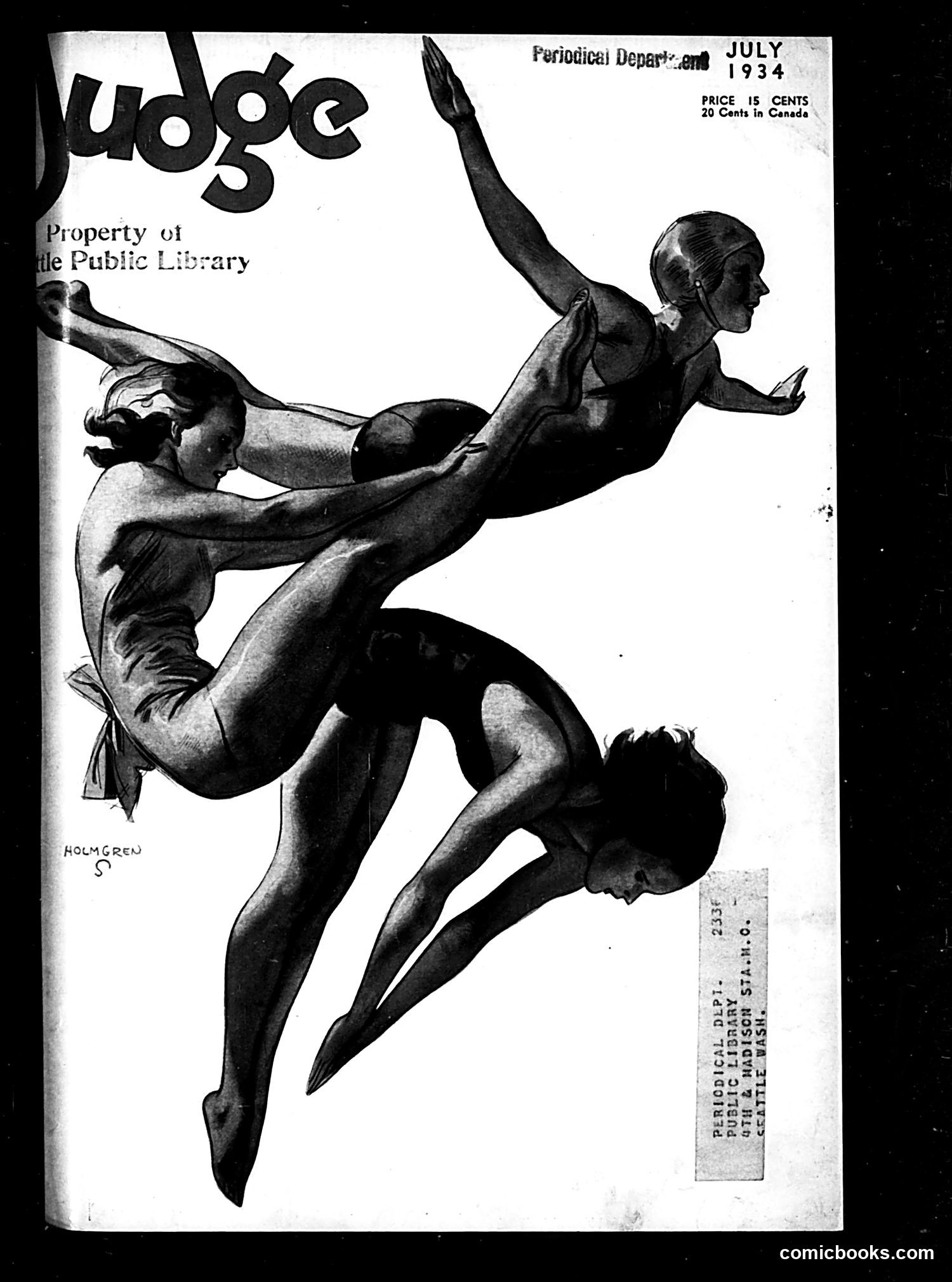
# Judge Magazine Cover Analysis – July 1934 This cover illustration by Holmgren depicts three figures in dynamic flying poses, suggesting a satirical commentary on aviation or aeronautical ambitions of the era. The composition—with figures stacked vertically in descending order—implies a hierarchical or competitive relationship, possibly mocking political or social figures engaged in some ambitious venture. The 1934 date places this during the Great Depression and New Deal period. Without identifying specific individuals from the caricatures alone, the image likely satirizes contemporary politicians or public figures pursuing high-flying schemes or projects. The exaggerated body positioning and the "Judge" magazine's satirical tradition suggest mockery of grandiose ambitions or failed endeavors. The exact targets remain unclear without additional context.
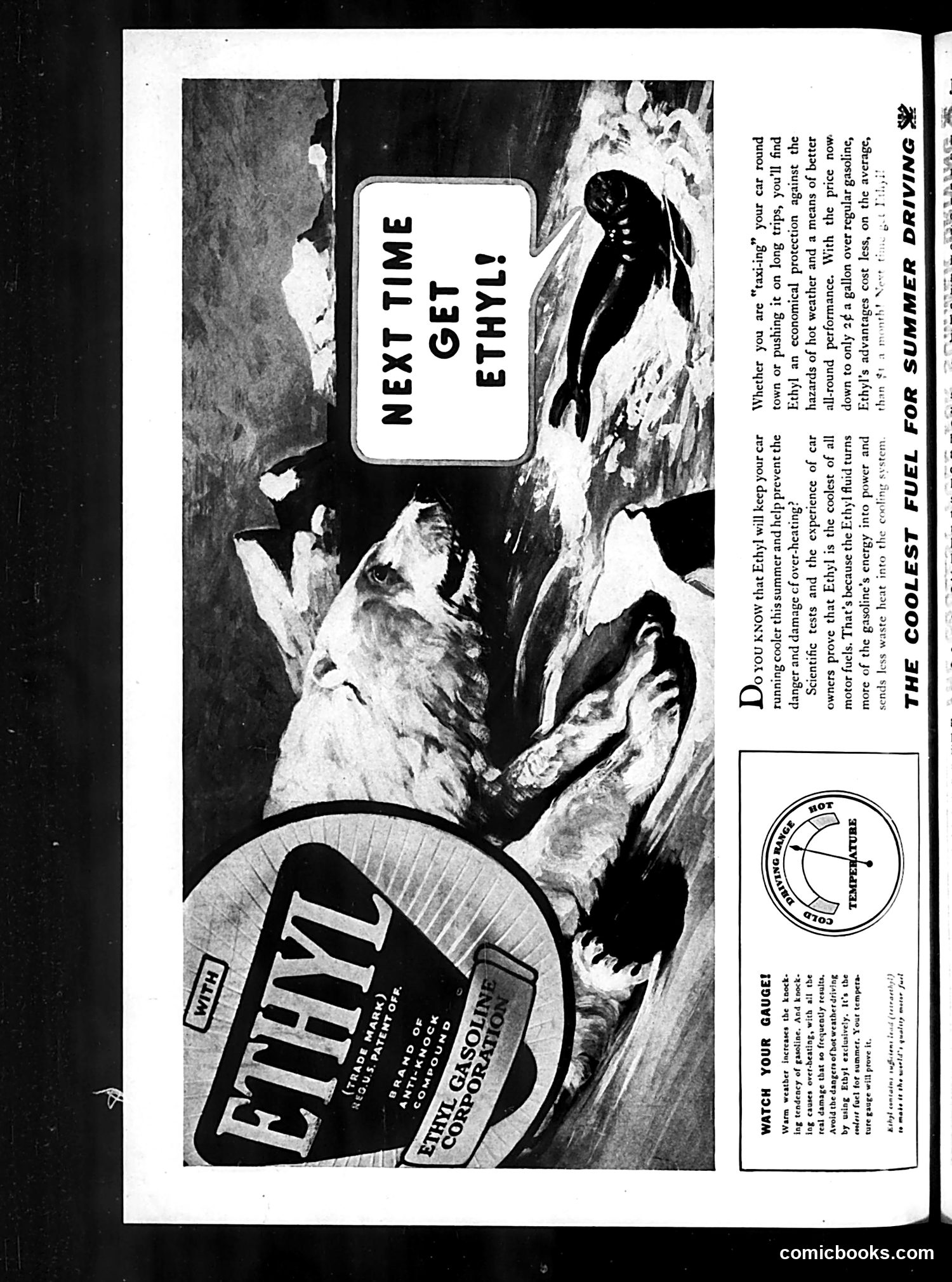
# Analysis This page is primarily an **advertisement for Ethyl gasoline**, not a political cartoon. The ad features a bearded man (likely Santa Claus or a winter figure) with the message "NEXT TIME GET ETHYL!" and shows what appears to be a seal or sea lion. The imagery suggests winter driving conditions and challenges. The accompanying text promotes Ethyl's cooling properties, claiming it prevents engine problems in cold weather and offers superior performance. A temperature gauge is included showing the fuel's effectiveness range. The tagline "THE COOLEST FUEL FOR SUMMER DRIVING" indicates this is a seasonal advertisement, likely from a winter issue of Judge magazine, using humorous imagery to market Ethyl's anti-knock gasoline to readers concerned about vehicle performance.
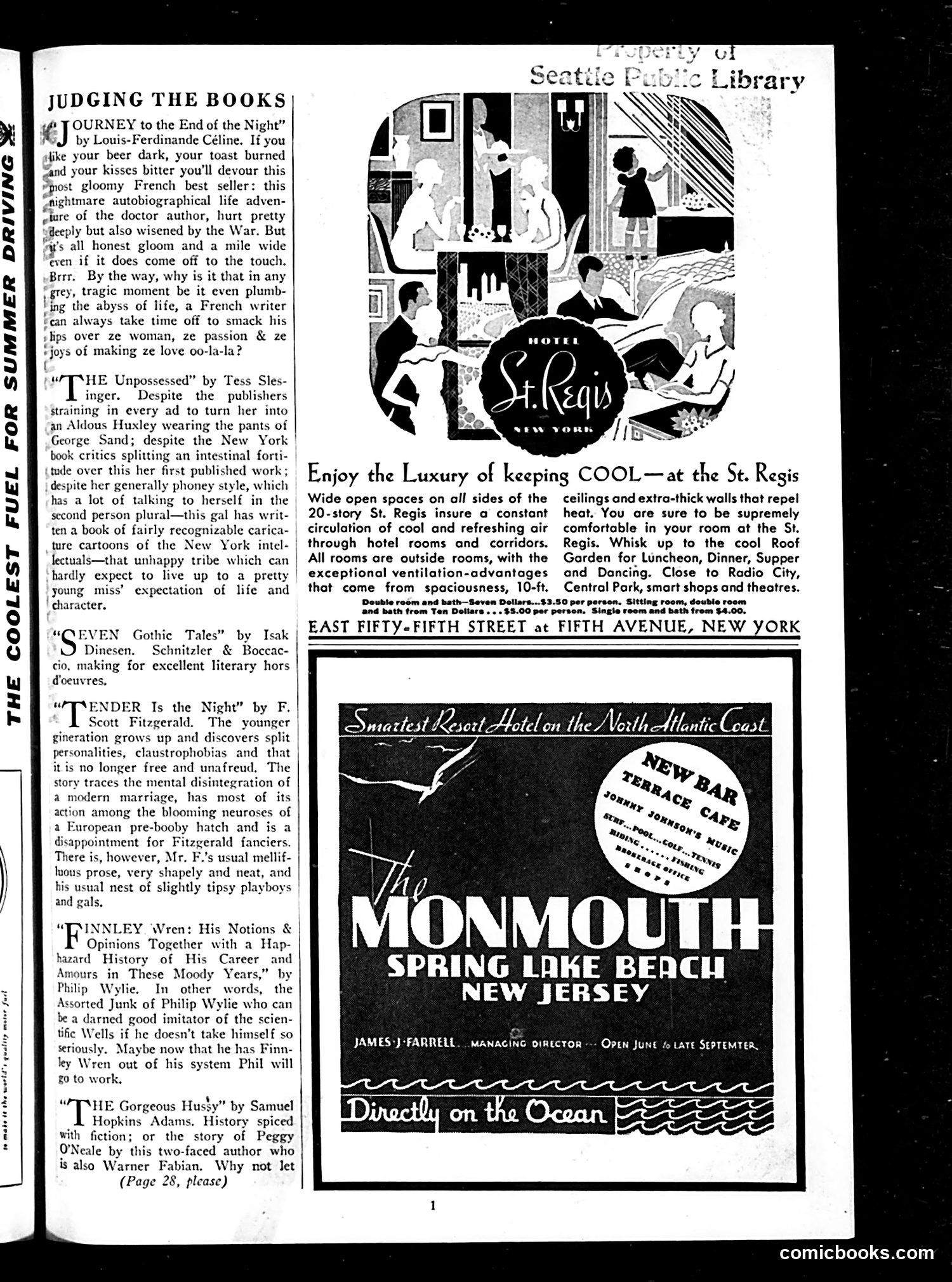
# Analysis of Judge Magazine Page This page is primarily **advertising**, not satirical content. The left column contains book reviews under "JUDGING THE BOOKS," discussing literary works by authors like Louis-Ferdinand Céline and Tess Slesinger. The right side features two hotel advertisements: 1. **St. Regis Hotel** (New York) - advertising its air conditioning system as a luxury amenity, with an illustration showing well-dressed guests enjoying cool spaces. The "roof garden" is highlighted as a dining destination. 2. **The Monmouth** (Spring Lake Beach, New Jersey) - promoting itself as a resort hotel "directly on the ocean" with a new bar/terrace cafe. These ads reflect 1920s-30s leisure culture, emphasizing modern conveniences (air conditioning was novel then) and upscale coastal tourism. No political satire is evident on this page.
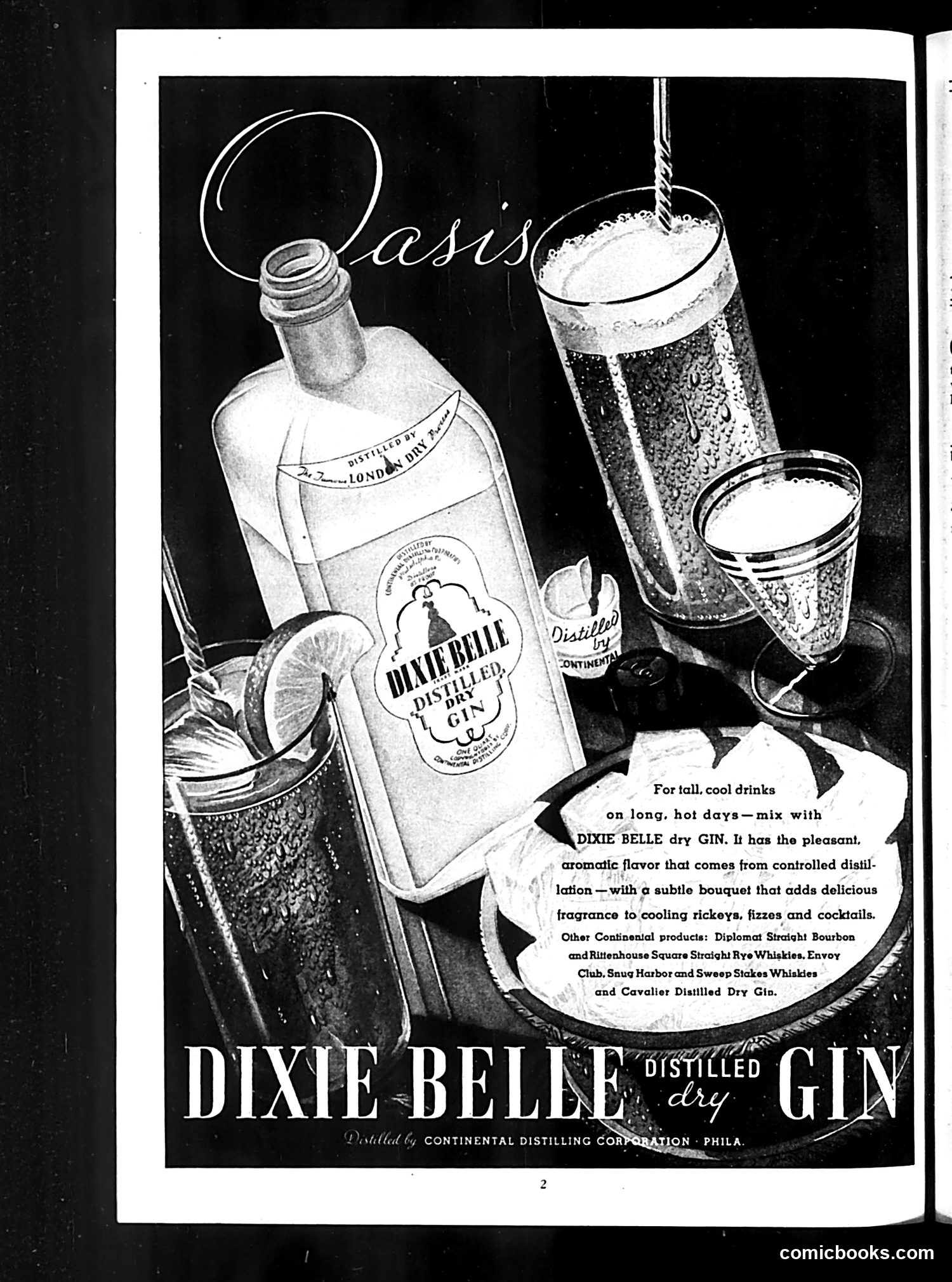
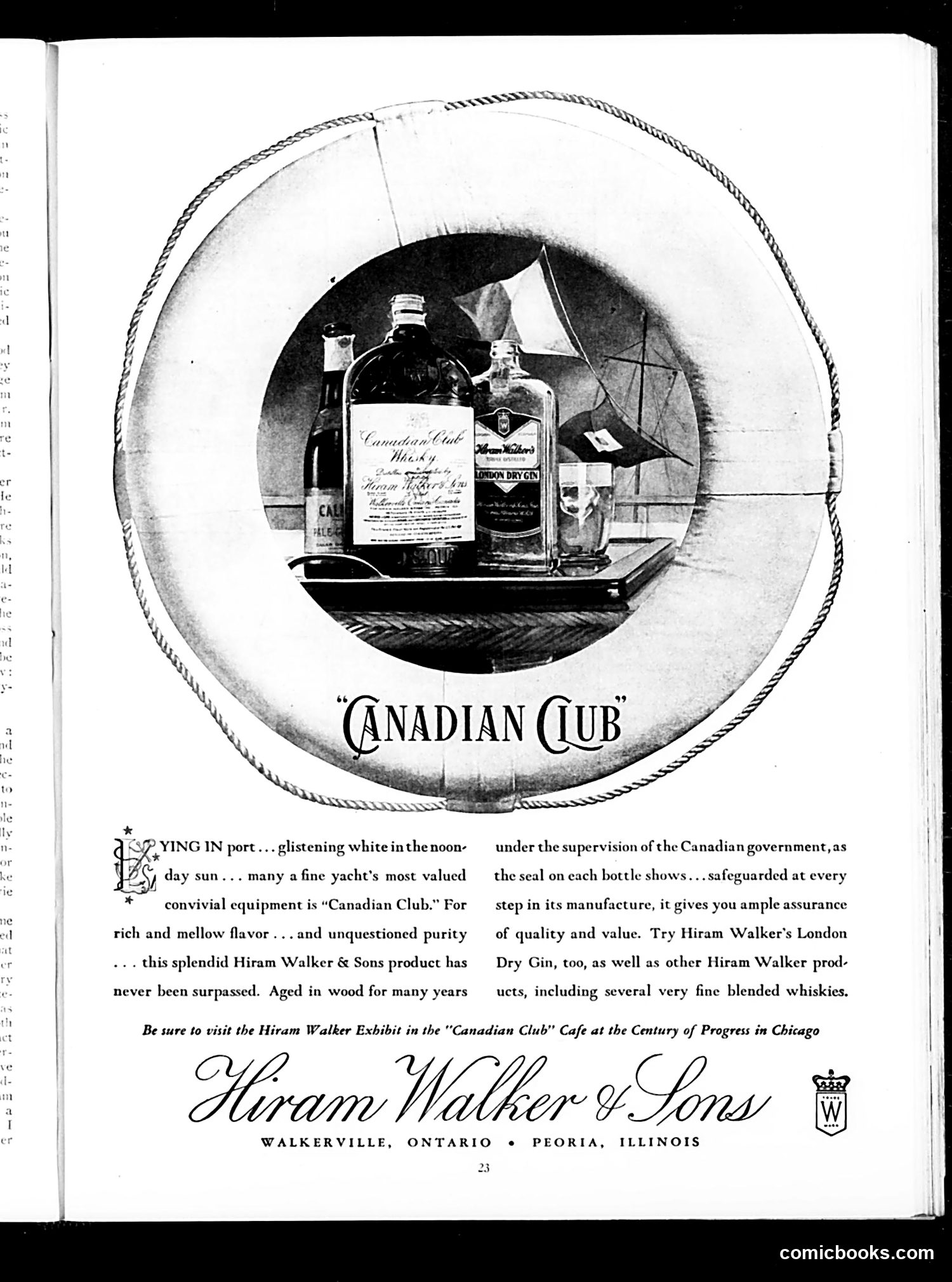
# Dixie Belle Dry Gin Advertisement This page is primarily a **liquor advertisement**, not political satire. It promotes Dixie Belle Dry Gin, distilled by Continental Distilling Corporation in Philadelphia. The ad features product imagery—a gin bottle and two cocktail drinks—alongside the word "Oasis" at top, emphasizing refreshment during hot weather. The copy describes the gin's "pleasant aromatic flavor" and "delicate fragrance" for mixed drinks. The advertisement also lists other Continental products: Diplomat Straight Bourbon, Rittenhouse Square Straight Rye Whiskey, Envoy Club and Sweep Stakes Whiskies, and Cavalier Distilled Dry Gin. This represents typical mid-20th-century alcohol marketing, before modern advertising restrictions. There is no political cartoon or satire present on this page.
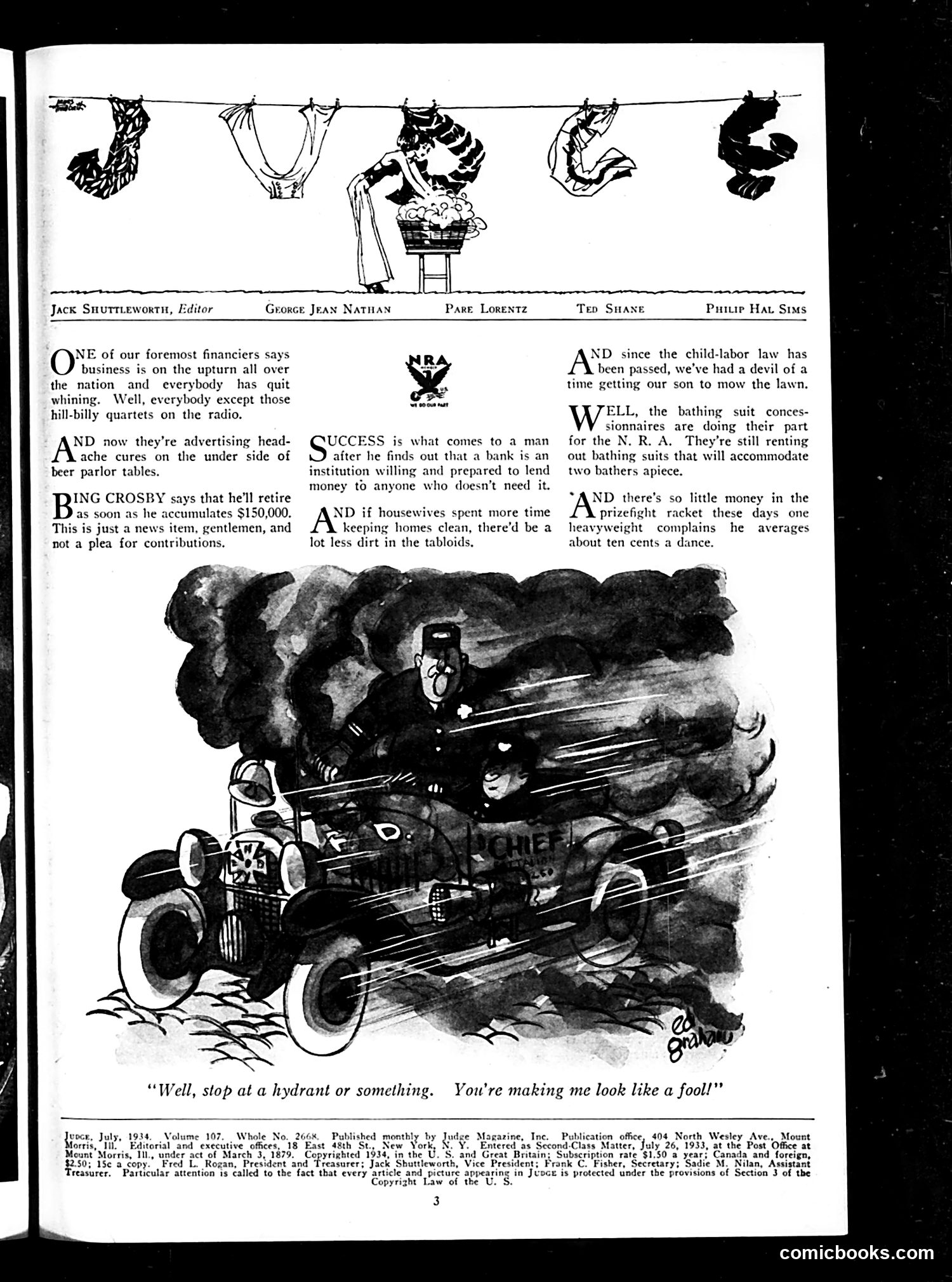
# Judge Magazine Cartoon Analysis This July 1914 page features a satirical cartoon about reckless driving. The main illustration shows a speeding automobile nearly colliding with a figure on a bicycle, with the driver exclaiming, "Well, stop at a hydrant or something. You're making me look like a fool!" The joke inverts responsibility: the speeding motorist—clearly the dangerous party—blames the cyclist for making *him* look bad. This satirizes early automotive culture, when wealthy drivers operated vehicles recklessly with little regard for other road users or pedestrians. The accompanying text snippets critique various social issues: business speculation, banks lending recklessly, child labor laws, prizefighting corruption, and housewives' domestic labor. The page reflects Progressive Era concerns about unchecked capitalism and social disorder.
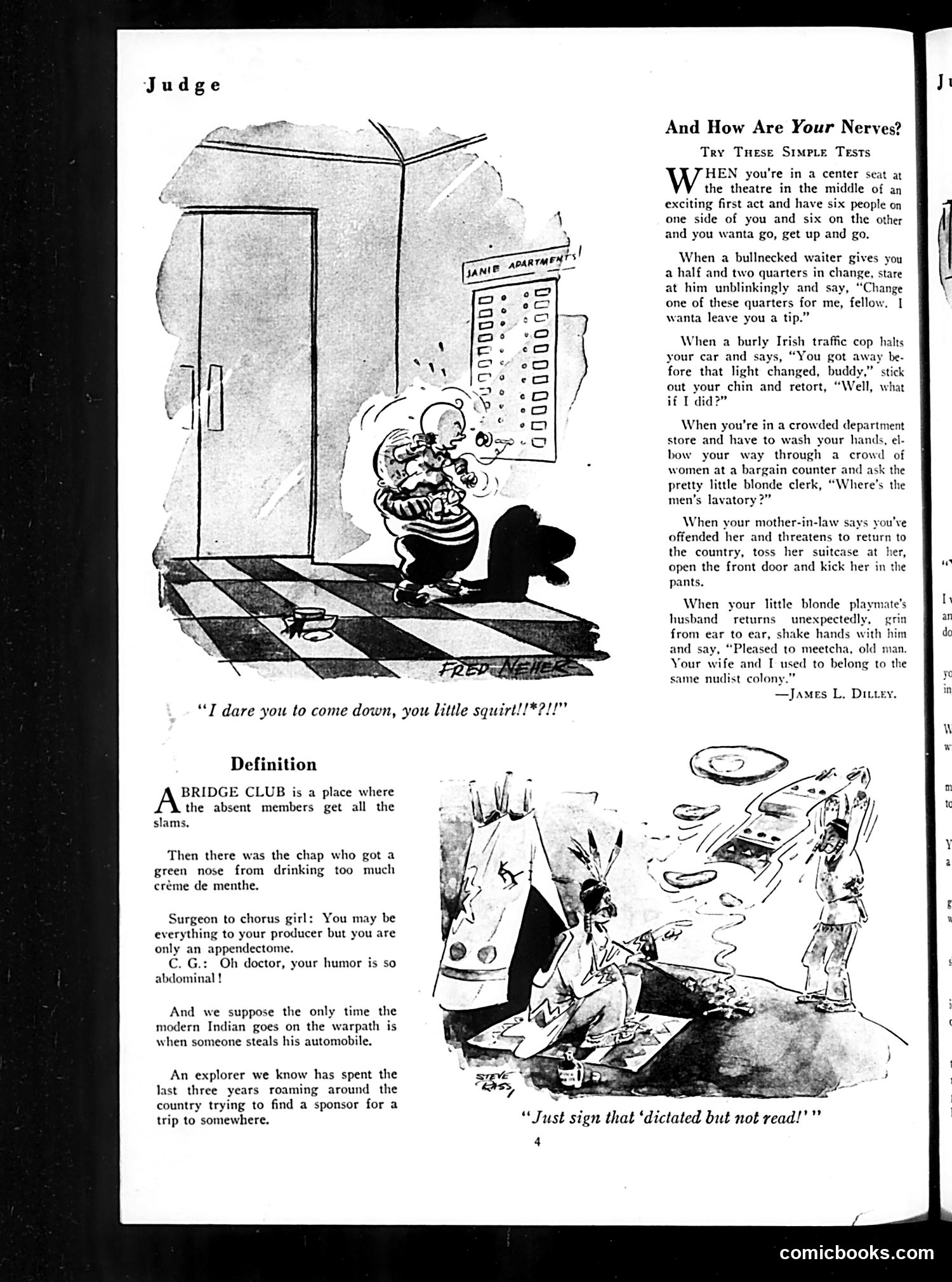
# Analysis of Judge Magazine Page This page contains humor pieces satirizing everyday American social situations and anxieties, circa early-to-mid 20th century. The top cartoon shows a nervous person at an apartment building entrance being challenged by a doorman. The accompanying text by James L. Dilley humorously catalogs nerve-wracking social situations: theater etiquette, receiving incorrect change, traffic confrontations, crowded shopping, and embarrassing family encounters. Below, a "Definition" section mocks bridge clubs as places where absent members receive all criticism. Additional jokes target pretentious behavior (a surgeon correcting a chorus girl's diction) and modern inconveniences (car theft, difficulty finding expedition sponsors). The second cartoon depicts someone signing a document while another person objects about it being "dictated but not read"—likely satirizing modern bureaucratic confusion. The satire targets middle-class social anxieties and evolving urban life frustrations.
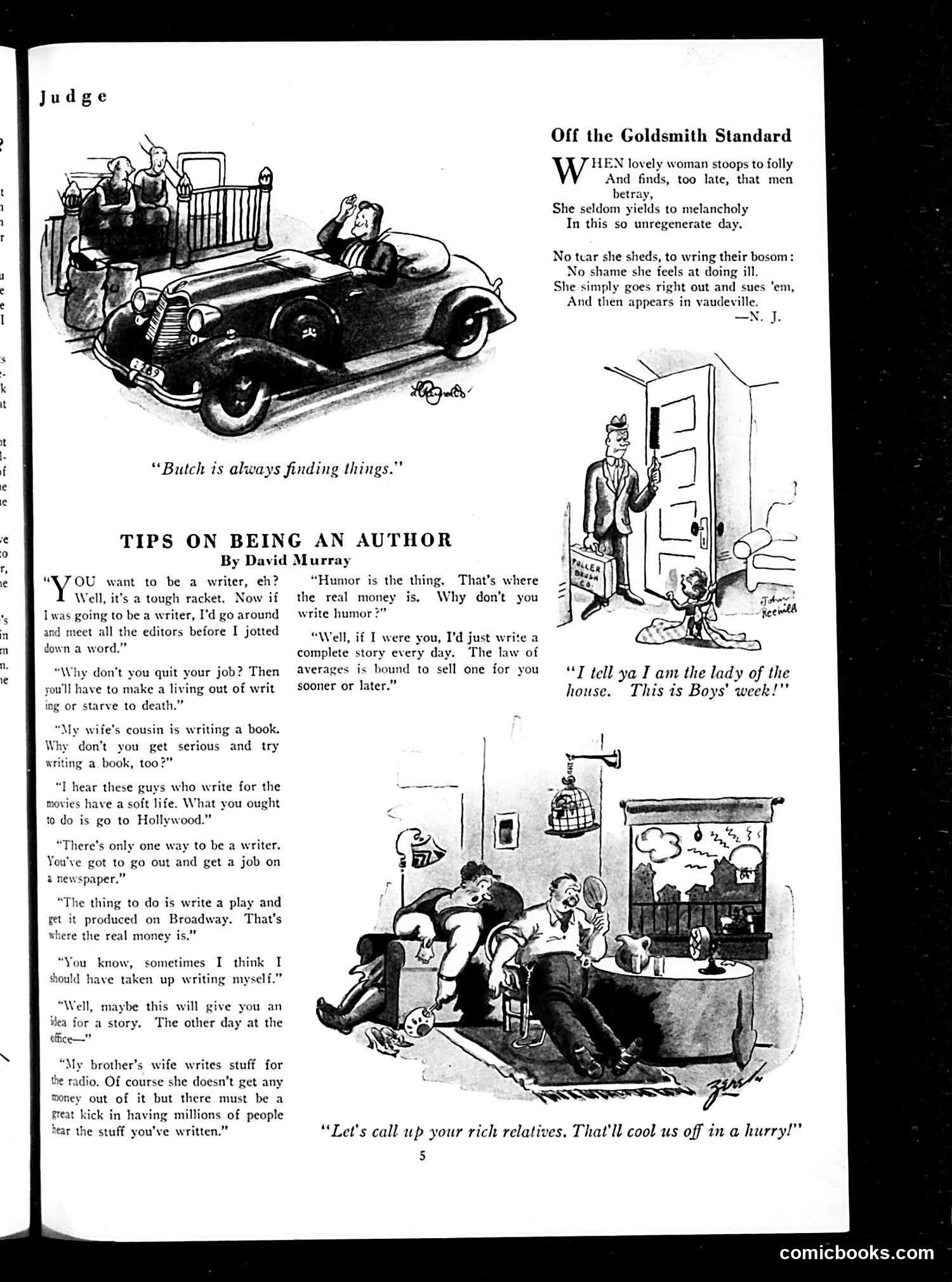
# Analysis This Judge magazine page satirizes aspiring writers through humor rather than politics. The main content, "Tips on Being an Author" by David Murray, mocks people who want to write by presenting common excuses and naive assumptions about the profession. The cartoons illustrate these attitudes: one shows a man lounging while apparently expecting success; another depicts someone calling "rich relatives" for money during financial hardship—suggesting writers can't actually support themselves. The broader satire targets the romantic delusion of becoming a writer without real work or sacrifice. Murray's dialogue captures the era's prevalent attitude that writing seemed easier than actual employment, yet the reality was harsh poverty. "Off the Goldsmith Standard" (top right) appears unrelated—a separate poem about betrayal by men.
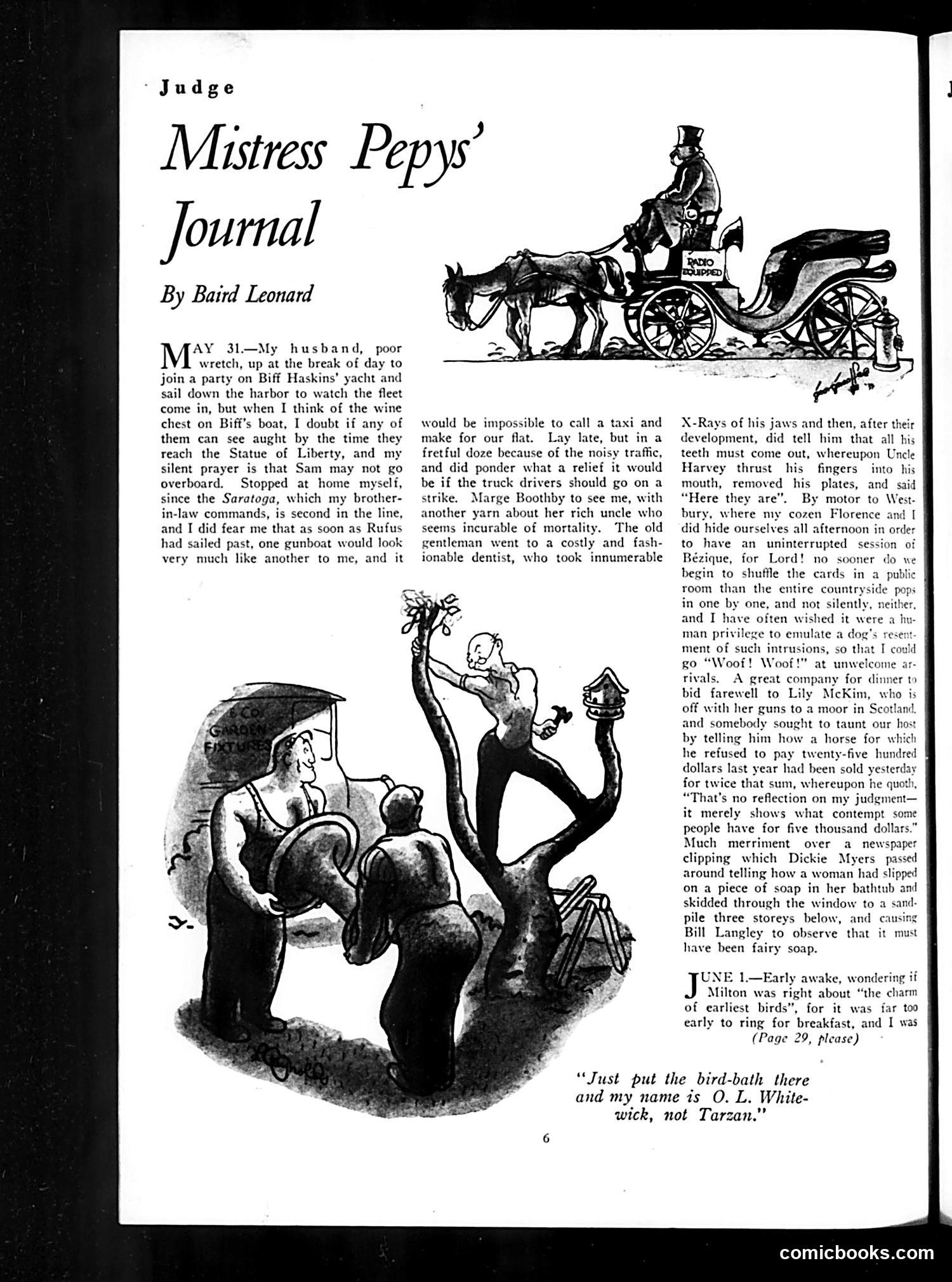
# Judge Magazine Page Analysis This is a humor column titled "Mistress Pepys' Journal" by Baird Leonard, presented as a fictional diary entry. The left illustration depicts a woman pulling a grotesque, elongated figure from water—likely satirizing absurd newspaper stories or social gossip of the era. The column's tone is satirical social commentary. It mocks upper-class leisure activities (yacht parties, expensive dentistry), rural pretensions, and the absurdity of society gossip—including a humorous anecdote about a woman who supposedly fell three stories into a sandpile after slipping on soap. The cartoon below shows a man instructing someone to place a bird-bath while correcting his name ("O.L. Whitewick, not Tarzan"), likely mocking either a specific public figure or the general absurdity of servants' misunderstandings. This represents typical Judge magazine fare: satirizing society manners and upper-class foibles.
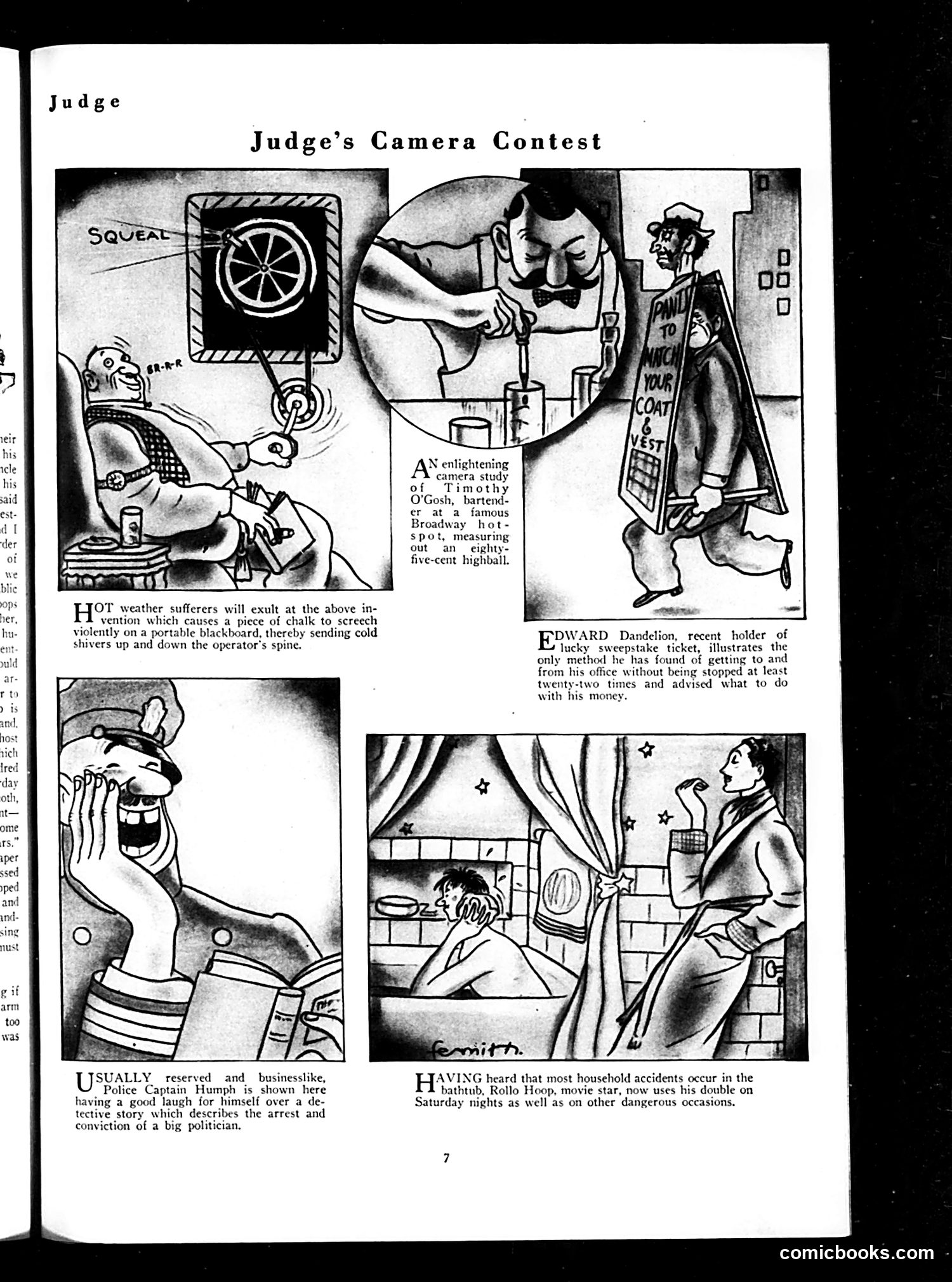
# Judge's Camera Contest Explanation This is a satirical page featuring four cartoon vignettes mocking various 1920s-era figures and situations: 1. **The Chalk Device**: Satirizes people seeking relief from hot weather through an absurd invention that produces an unpleasant noise instead. 2. **Timothy O'Gosh**: Caricatures a Broadway bartender cheating customers by measuring out inadequate portions of liquor—likely commenting on Prohibition-era speakeasies and dishonest practices. 3. **Edward Dandelion**: Mocks a lottery winner who must use elaborate disguises to avoid people asking him for money. 4. **Police Captain Humph**: Shows a rigid authority figure enjoying entertainment about a corrupt politician's arrest—satirizing either his hypocrisy or naive faith in justice. 5. **Rollo Hoop**: Parodies a movie star so safety-conscious he uses a stunt double even for bathing, mocking Hollywood's excess and paranoia. The page's humor relies on exaggeration and social commentary about prohibition, wealth, corruption, and celebrity culture.
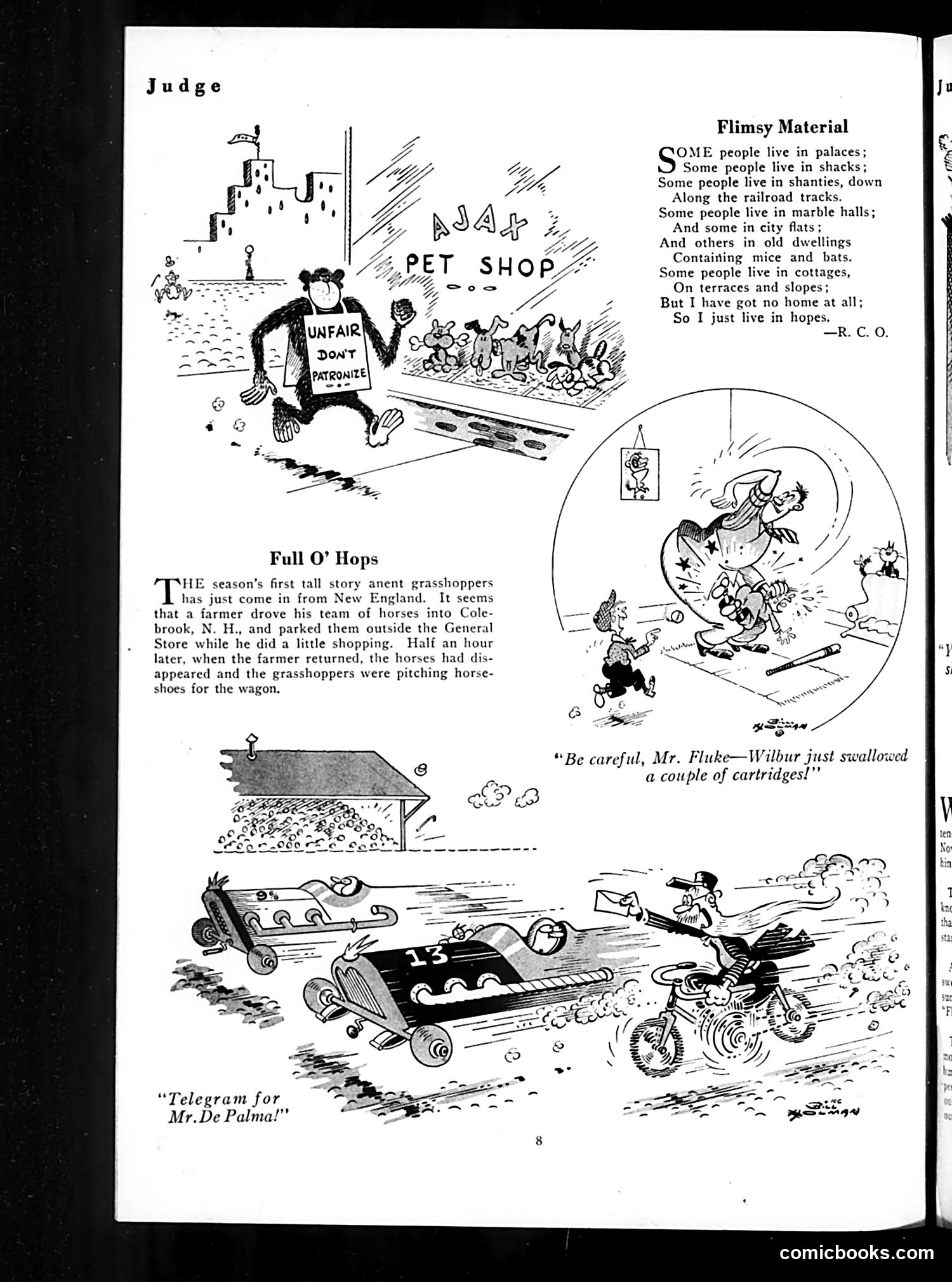
# Explanation for Modern Readers This Judge magazine page contains three distinct pieces of satire and humor: **"Flimsy Material"** is a poem about homelessness and poverty, using ironic understatement ("I just live in hopes") to critique economic inequality. **"Full O' Hops"** is a tall tale from New England about grasshoppers so enormous they steal horses and play horseshoes—a humorous exaggeration typical of rural folklore meant to amuse readers with absurdist humor. **The circular cartoon** appears to show someone named Fluke and another character named Wilbur in a chaotic scene involving cartridges, likely depicting slapstick comedy or accidental mishap. **"Telegram for Mr. De Palma!"** likely references a notable figure (unclear without additional context), shown in a racing/vehicle scene with comic mayhem. The page combines social commentary on poverty with traditional American tall tales and physical comedy—representative of Judge's mix of political/social satire and lighthearted humor.
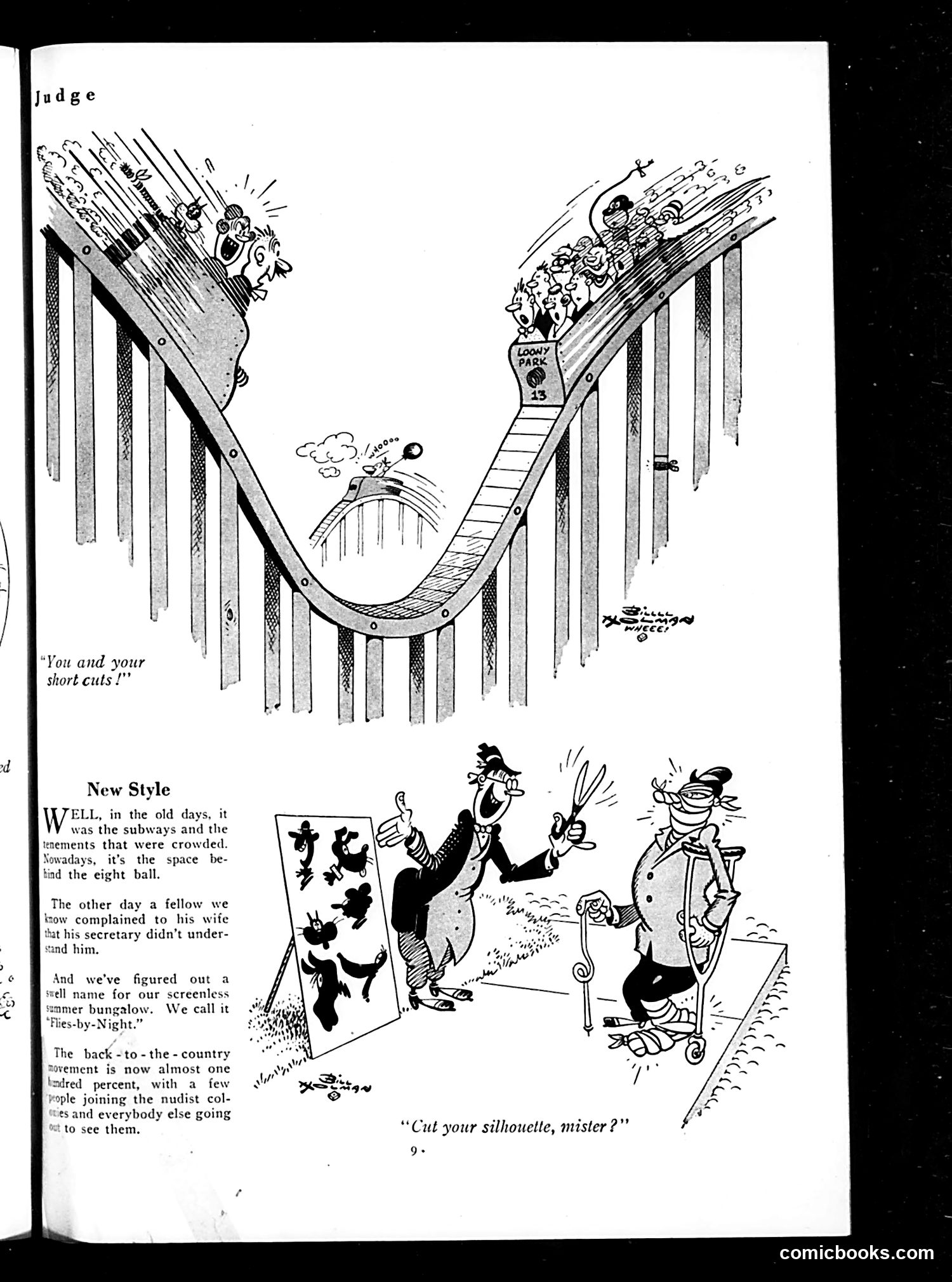
# Political/Social Satire in Judge Magazine **Top Cartoon ("You and your short cuts!"):** This appears to satirize a legal ruling or judicial decision—the "Judge" heading and roller-coaster imagery suggest someone (likely a defendant or litigant) taking a wild, chaotic ride through the justice system. The phrase "short cuts" implies they're trying to circumvent proper legal procedure, with disastrous results. **Bottom Cartoon ("Cut your silhouette, mister?"):** This mocks the "back-to-the-country" movement mentioned in the accompanying text. A charlatan or con artist is offering to "cut silhouettes" (profile portraits) to rural people, exploiting the nostalgia for simple, pastoral living. The caricatured figures and exaggerated poses suggest gullible country folk being duped by a city hustler—satire on both the movement's idealization and those profiting from it. **Overall Theme:** Poking fun at contemporary American social trends and their contradictions.
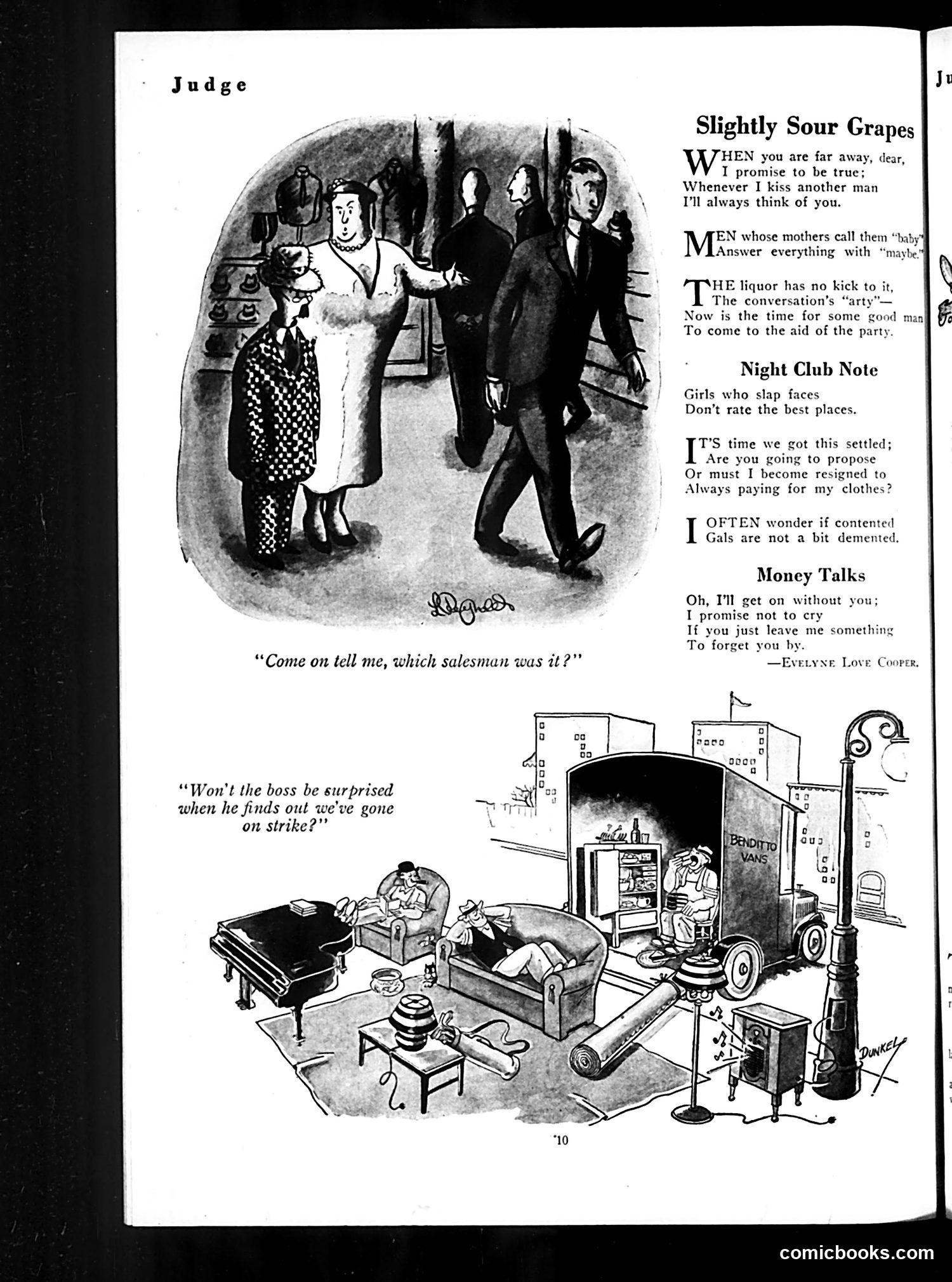
# Judge Magazine Page Analysis **Top Cartoon:** Shows a woman with a child confronting men leaving a building, asking "Come on tell me, which salesman was it?" This references **labor strikes** — likely depicting workers walking out, with the woman humorously suggesting the strikers are so numerous she can't identify which one is her husband. **Bottom Cartoon:** Two men lounging in an office with a piano, wrench, and delivery van visible, captioned "Won't the boss be surprised when he finds out we've gone on strike?" This directly satirizes **labor unrest and worker strikes**, mocking the casual attitude of strikers relaxing on company premises while claiming they've walked out. **Right Column Text:** Collection of satirical verses on romantic relationships and social behavior. "Slightly Sour Grapes" mocks unfaithful lovers; "Night Club Note" criticizes women's behavior; "Money Talks" jokes about women's financial dependence — reflecting **1920s-era gender attitudes** and the tension between emerging female independence and traditional expectations. The page overall satirizes labor disputes and modern dating/relationship dynamics of the Jazz Age era.