
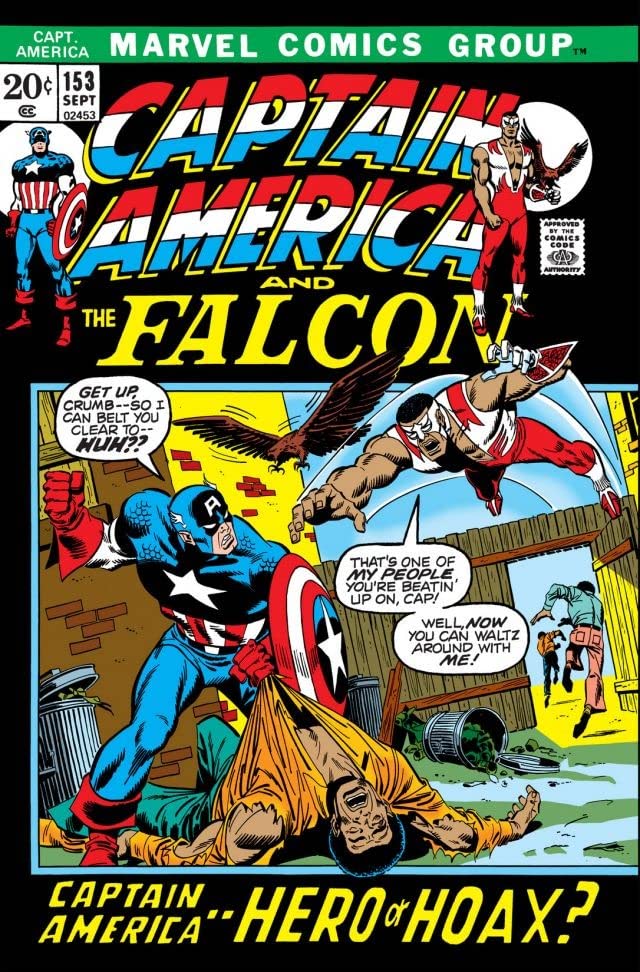
Captain America #153
☆ Be the first to review + Add to your collection — Join freeCaptain America #153 is the opening chapter of one of Bronze Age Marvel's most consequential retcons: writer Steve Englehart's four-part 'Hero or Hoax?' arc, which addressed a continuity gap that had quietly nagged the Marvel Universe since 1964. When Stan Lee brought Steve Rogers back in Avengers #4 by revealing he had been frozen in ice since 1945, it effectively orphaned an entire run of 1950s Timely/Atlas Captain America comics — stories in which a 'Commie-smasher' Cap and Bucky were clearly active. Rather than quietly burying that era, Englehart introduced two new characters — William Burnside (a Cap impersonator who had legally changed his name to Steven Rogers) and his young partner Jack Monroe — to explain those appearances, folding two decades of awkward publishing history into living continuity. The arc also carries genuine thematic weight: the impostor Cap is depicted as a racist bully, making the story an early Marvel attempt to use a superhero narrative to interrogate what the Captain America symbol could mean when wielded by the wrong hands.
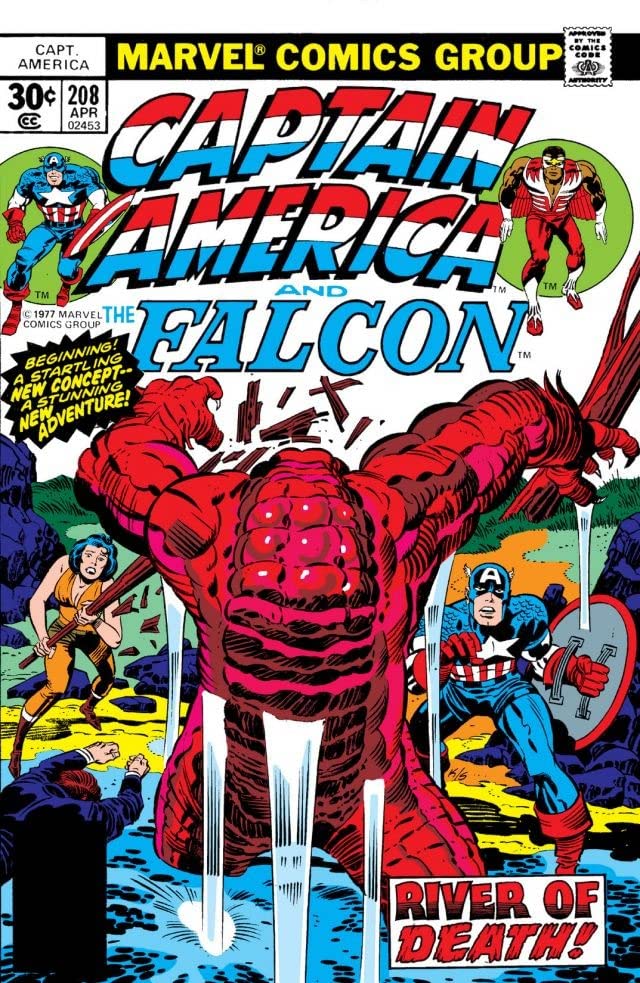
In "Captain America — Hero or Hoax?", Steve Englehart and Sal Buscema deliver a tense, character-driven story that puts Captain America’s ideals to the test. When Nick Fury questions Steve’s judgment and a rift forms between them, tensions flare—especially after Sharon leaves SHIELD, and Falcon confronts Cap over a disturbing incident on the streets. With Bucky caught in the middle, the clash of principles reaches a boiling point. The cover by Sal Buscema, Frank Giacoia, and Marie Severin captures the moment’s intensity, a 20-cent comic from 1972 that marks a pivotal chapter in Cap’s legacy.
ComicBooks.com Value
Show all 18 grades ▾
This exact issue on ebay
CGC 8 ▾ $49.99–$225 3 listings
Raw — VF+ ▾ $97.49 2 listings
Raw / ungraded ▾ $8.88–$59.75 32 listings
More listings for this title
Read it digitally
Sell my copy
Have this issue — or a whole collection? Get a fair offer from us, skip the marketplace fees and the hassle.
We Buy Collections ▸History
Steve Englehart took over the Captain America title with this issue in June 1972 (cover-dated September 1972), immediately partnering with penciler Sal Buscema, who would remain his primary artistic collaborator for most of their nearly three-year run together. Before diving into the 1950s Cap mystery, Englehart first had to resolve a dangling S.H.I.E.L.D. subplot inherited from writers Gary Friedrich and Gerry Conway — specifically Nick Fury's grievance with Steve Rogers over the romantic attentions of the Contessa Valentina Allegra de Fontaine — which provides the issue's first half. Editor Roy Thomas, a committed Marvel continuity champion, oversaw the issue and was the driving force behind making the 1950s Atlas stories canonical rather than ignoring them, setting the mandate that Englehart executed in story.
Trivia · 8 facts
- First appearance of William Burnside (the 1950s 'Captain America IV'), created by Steve Englehart and Sal Buscema; his back-catalog of 1950s Atlas stories was retroactively attributed to this character.
- First cameo appearance of Jack Monroe (the 1950s 'Bucky III'), who would later become the second Nomad beginning in Captain America #282 (1982).
- The issue is titled 'Captain America — Hero or Hoax?' and serves as Part 1 of a four-part arc running through Captain America #153–156.
- Written by Steve Englehart — his first issue on the title — with pencils by Sal Buscema and inks by Jim Mooney; Roy Thomas served as editor.
- The 1972–1975 Englehart/Buscema run that begins here turned the series into one of Marvel's top-sellers and was ranked fourth on Comics Bulletin's 'Top 10 1970s Marvels' list in 2010.
- Sharon Carter resigns from S.H.I.E.L.D. in this issue, and Falcon is the first to encounter the impostor Captain America committing racially motivated attacks in Harlem.
- The issue has been reprinted in Essential Captain America Vol. 3 (2006), Marvel Masterworks: Captain America Vol. 7 (2014), Captain America Epic Collection Vol. 4: Hero or Hoax? (2018), and Captain America Omnibus Vol. 3 (2021), as well as in international editions in France, Italy, and Greece shortly after original publication.
- The cover was penciled by Sal Buscema and inked by Frank Giacoia (with John Verpoorten also credited on some records); a preliminary cover sketch by Marie Severin is documented in collector archives.
Full credits
Reprints
Reprinted in Capitaine America #13 (1972), Captain America #11 (1980), Essential Captain America #3 (2006), Marvel Masterworks: Captain America #7 (2014), Captain America Epic Collection #4 (2018), Captain America Omnibus #3 (2021), Capitan America #65, Κάπταιν Αμέρικα [Captain America] #10
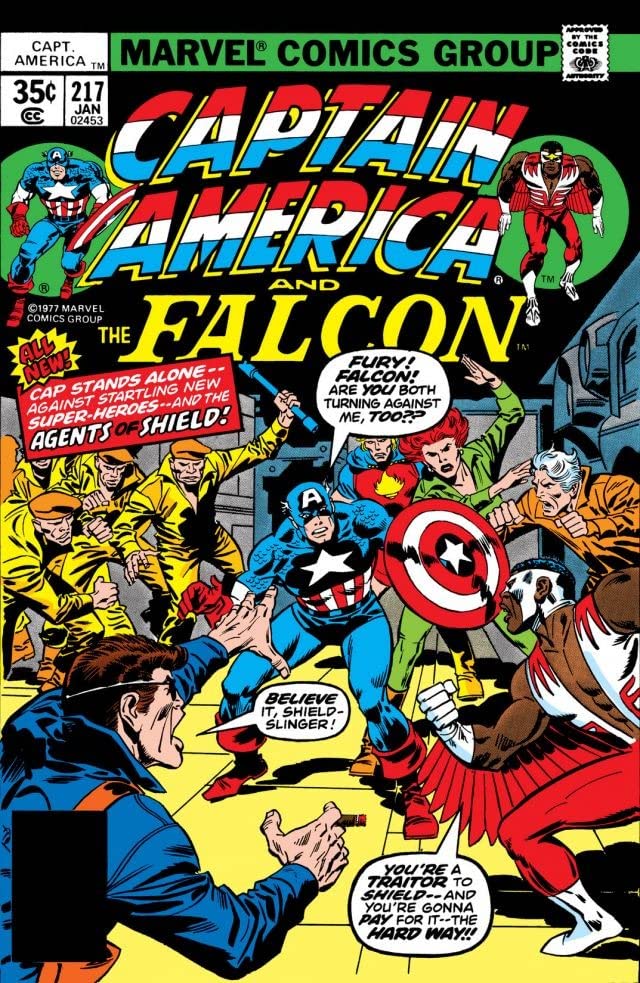
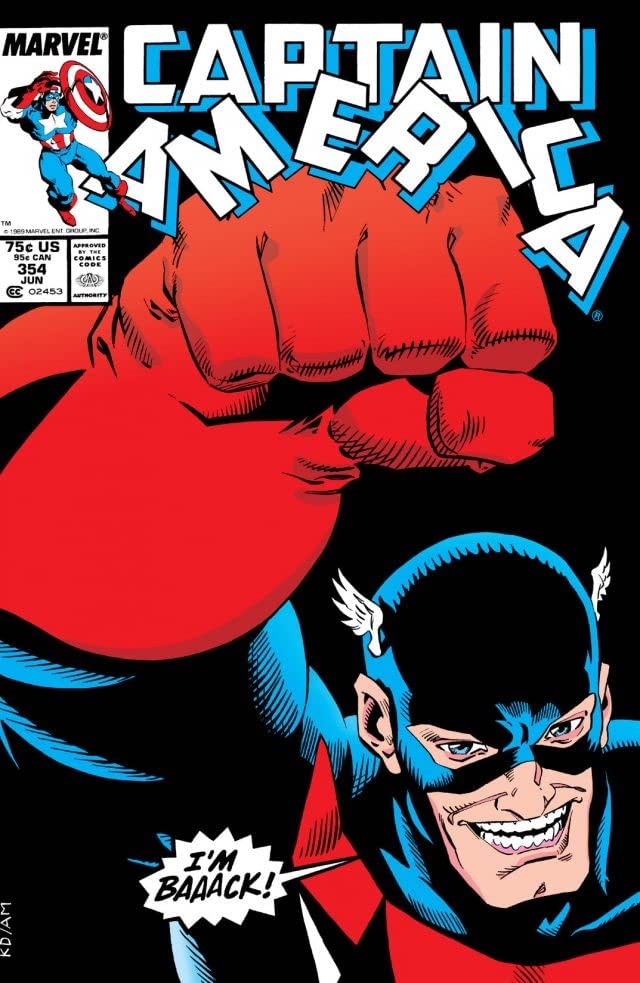
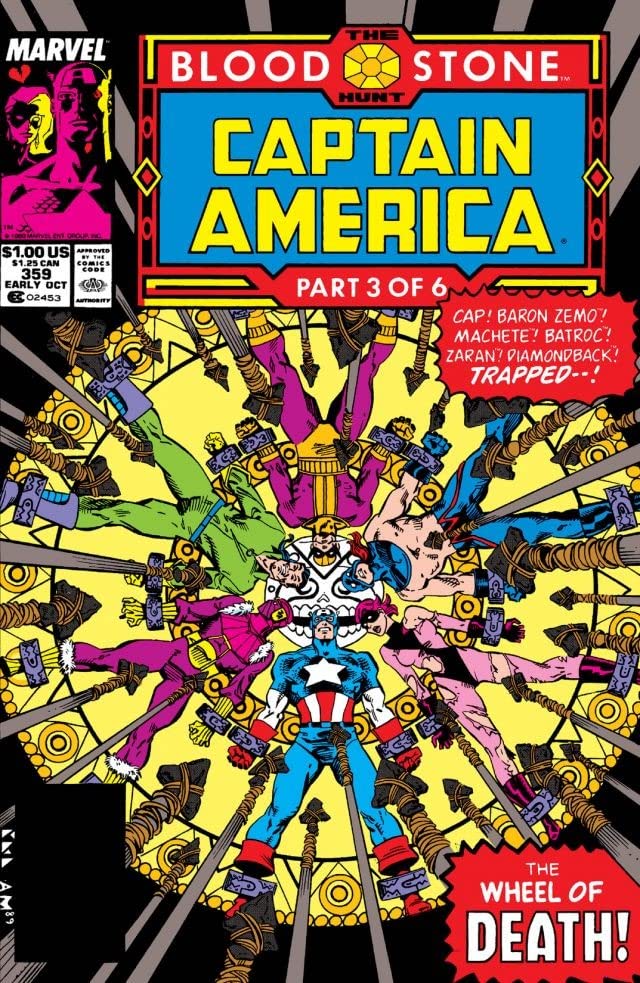
Key issues in Captain America
Reviews
Reader reviews
No reader reviews yet.