
Graded Glory: How Condition Elevates the First Appearances of Comics' Greatest Heroes
From Superman's debut to Wolverine's claws, professional grading turns legendary issues into investments that capture both nostalgia and serious collector value.
Graded Glory: How Condition Elevates the First Appearances of Comics' Greatest Heroes
Walk into any serious collector's vault and you'll find the same truth gleaming under UV-protected slabs: the difference between a well-loved comic and a professionally graded gem can mean the difference between a fun read and a six-figure asset. When the first appearances of icons like Superman, Batman, Spider-Man, Captain America, Wonder Woman, Hulk, Iron Man, Thor, The Flash, Green Lantern, and Wolverine enter the grading conversation, condition isn't just detail—it's destiny.
Golden Age Foundations and Their Fragile Fortunes
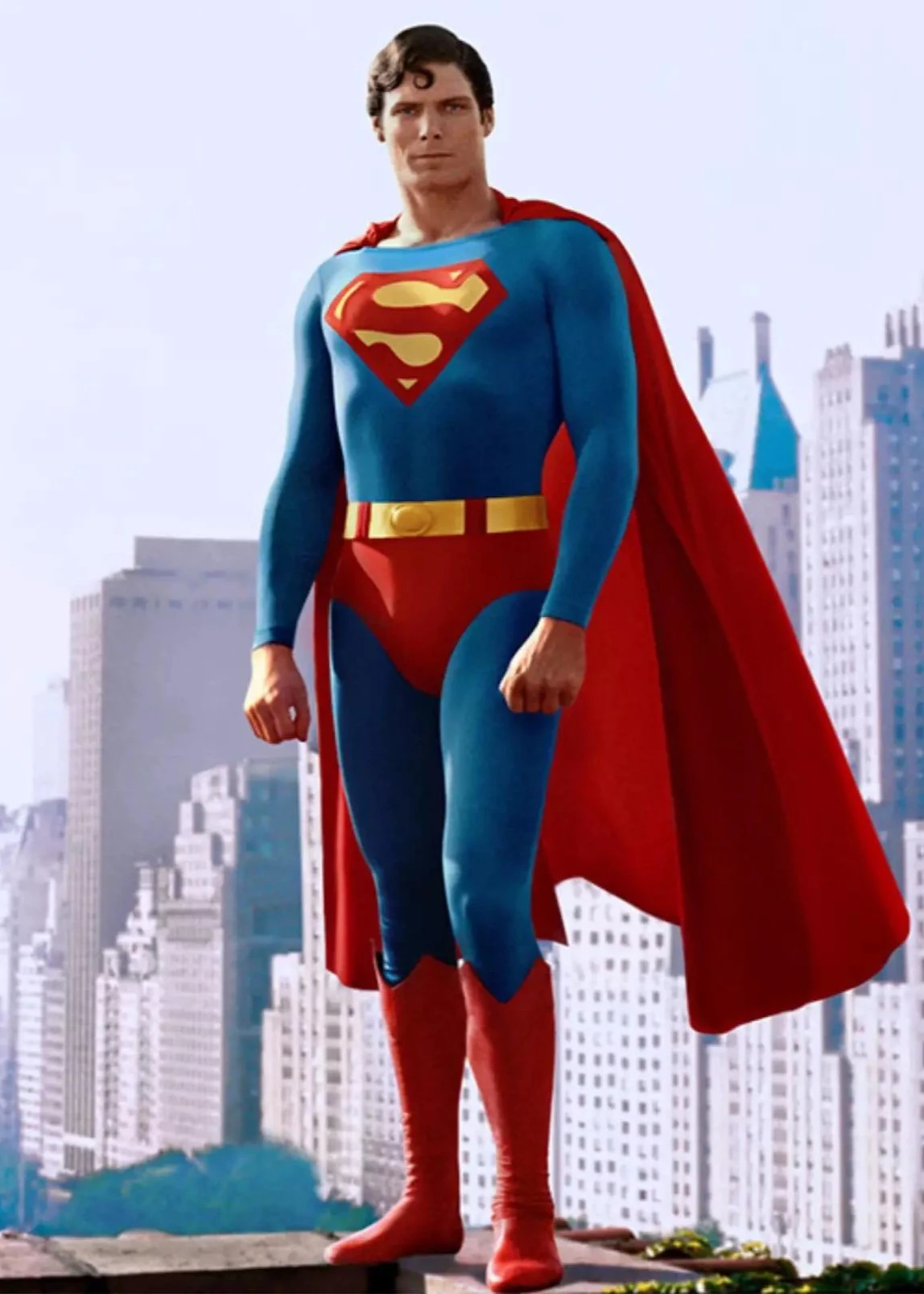
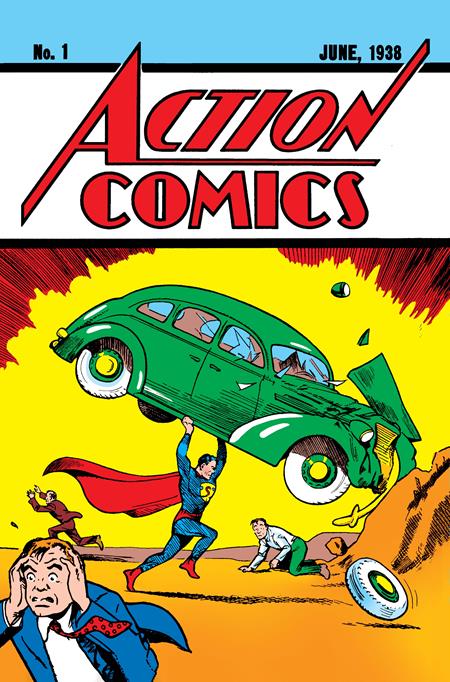
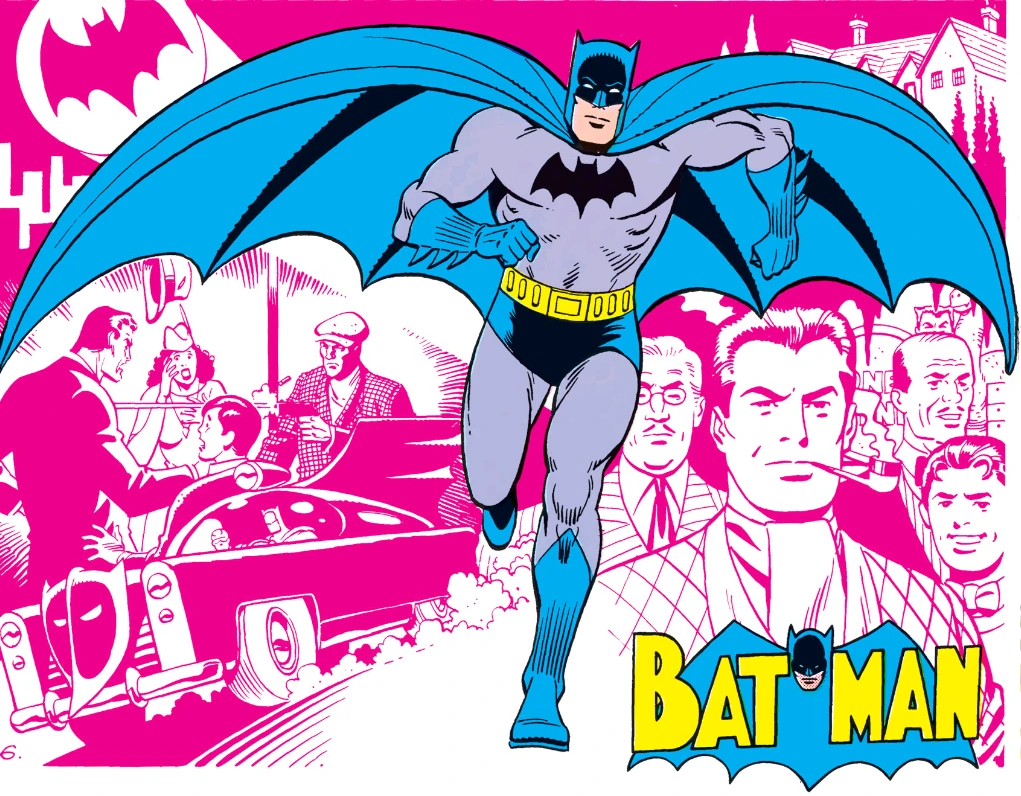
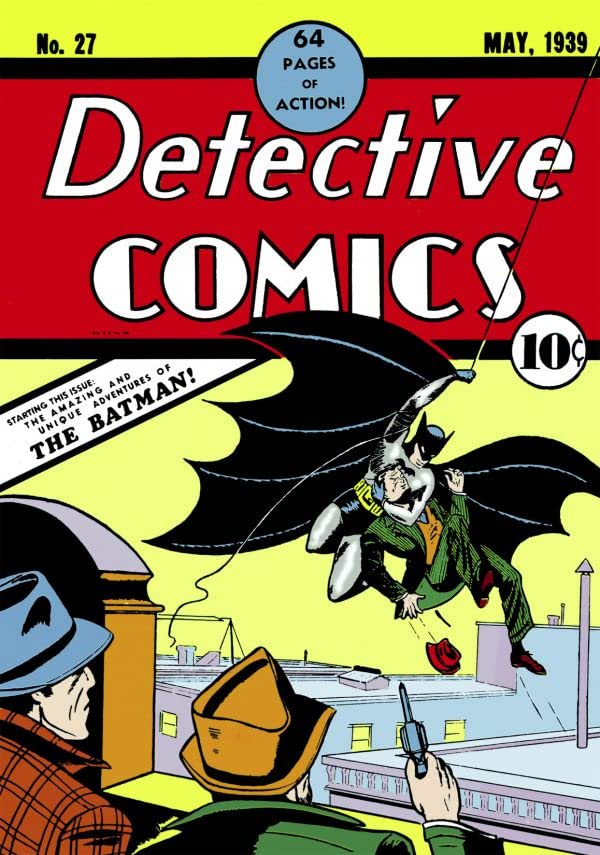
The earliest caped crusaders arrived on newsstands when paper quality was anything but archival. Superman in Action Comics #1 (1938) and Batman in Detective Comics #27 (1939) set the template, yet surviving copies often show the wear of decades. The Flash in Flash Comics #1 (1940), Captain America in Captain America Comics #1 (1941), and Wonder Woman in All-Star Comics #8 (1941) followed close behind. High-grade copies of these books—those earning 8.0 or better from trusted services—command premiums that can multiply value tenfold compared with their mid-grade counterparts, because collectors prize the crisp colors and tight spines that preserve the moment these characters first leaped off the page.
Silver Age Spark and the Rise of Speculation
By the early 1960s, a new generation of heroes exploded onto the scene with brighter palettes and bigger adventures. Spider-Man in Amazing Fantasy #15 (1962), Hulk in The Incredible Hulk #1 (1962), Thor in Journey into Mystery #83 (1962), and Iron Man in Tales of Suspense #39 (1963) each benefited from improved but still delicate printing. Green Lantern in Showcase #22 (1959) bridged the eras. Professional graders now scrutinize these issues for subtle defects like spine stress or off-center covers; a single point swing in grade can swing the price tag by tens of thousands, turning what once sold for a dime into a retirement fund.
Wolverine's Wildcard Status and Modern Grading Realities
Later arrivals remind us that value isn't reserved for the oldest books. Wolverine in The Incredible Hulk #181 (1974) arrived during a period when collectors were already thinking about preservation. Even without the patina of Golden Age scarcity, high-grade copies of this debut have appreciated dramatically because graders can certify the absence of the manufacturing flaws that plagued the era. The same tools that protect Superman also safeguard Wolverine's claws.
Closing the Vault on Timeless Value
Whether you're eyeing a 1938 debut or a 1974 breakout, grading transforms these comics from nostalgic artifacts into transparent, tradable assets. The heroes endure; the numbers on the label simply tell us how well their stories have aged.
A ComicBooks.com feature, written from our catalog of 2.3M+ issues — every name links to its page. Ask the shop assistant →