
The Ancestors
Sequential pictures and the satirist's line — the comic book's DNA, three centuries before the first newsstand.
Long before a folded pamphlet of colored newsprint carried the name "comic book," its two essential instincts were already alive: the impulse to tell a story across a row of pictures, and the impulse to sharpen a human face into a caricature that says everything at a glance. This gallery gathers the ancestors — engravers, draftsmen, and picture-poets working between the 1730s and the 1860s, an ocean and a century away from the American newspaper strip, who nonetheless assembled the grammar the comics would inherit.
The Story in a Sequence of Pictures
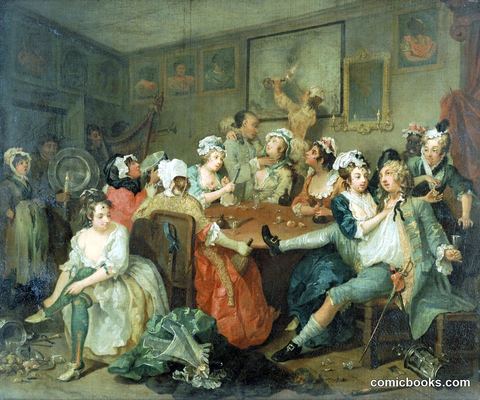
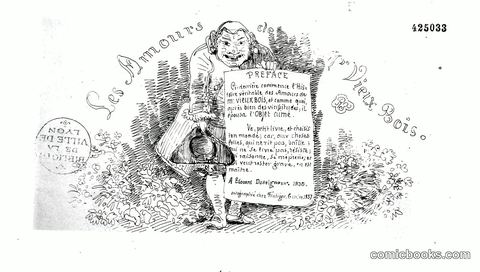
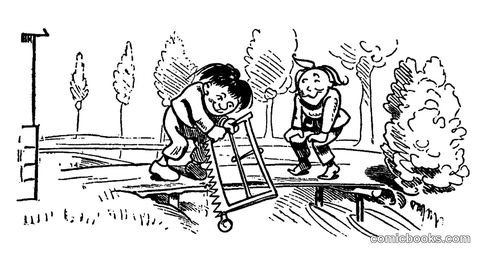
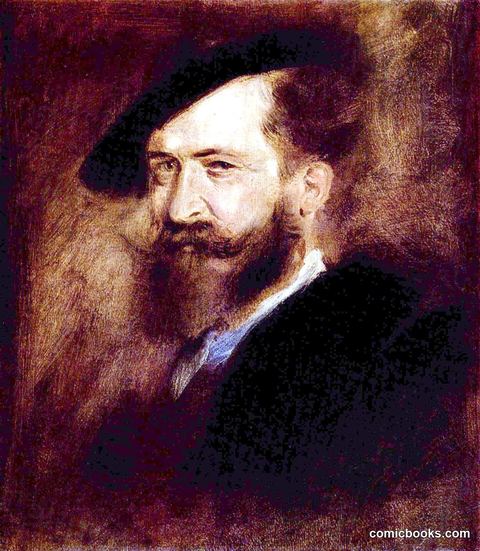
In 1730s London, William Hogarth began selling what he called "modern moral subjects" — series such as A Rake's Progress, in which a single character's downfall unfolds across a fixed order of engravings meant to be read one after another. The pictures were narrative, not merely decorative; the viewer supplied the passage of time between them. A century later the Swiss schoolmaster Rodolphe Töpffer took the decisive step, marrying a running line of hand-drawn images to a line of text beneath, and producing in Histoire de M. Vieux Bois a picture-story that many historians count among the first true comic strips. Töpffer did more than draw: he theorized the form, arguing that pictures and words together could tell a kind of story neither could tell alone. In 1865 Germany's Wilhelm Busch distilled the idea into rhymed picture-verse with Max und Moritz, whose paired troublemakers would cross the Atlantic and reappear, transformed, as the Katzenjammer Kids.
The Satirist's Line
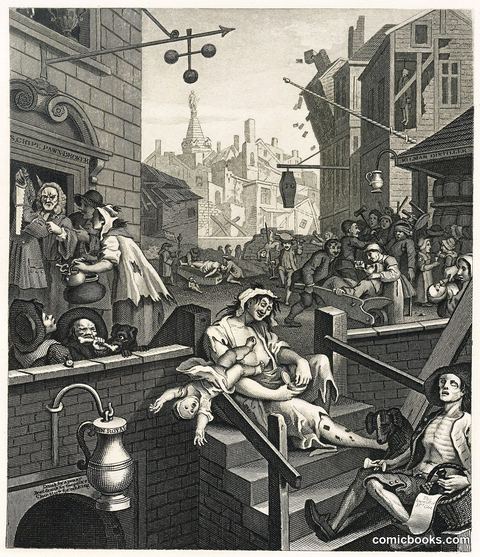
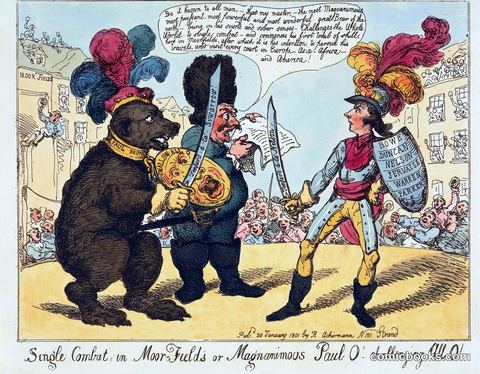
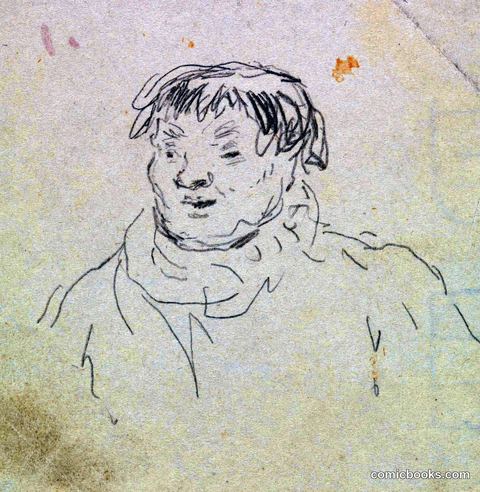
Feeding the same river was the golden age of British caricature. In the Georgian and Regency decades, artists like Thomas Rowlandson and George Cruikshank turned the exaggerated human figure into a weapon of comedy and politics, their crowded, energetic prints sold in shop windows and passed hand to hand. From this tradition came the recurring cartoon character: Ally Sloper, the shabby schemer conjured by Charles H. Ross and Marie Duval, who returned issue after issue and pointed straight toward the serialized comic personalities to come. Together these makers proved that drawn lines could narrate, satirize, and endure — the inheritance every comic book still spends.
All works shown are in the public domain, digitally restored by ComicBooks.com.