
The Satirist's Press
Lithographic weeklies that invented the editorial cartoon and the recurring type.
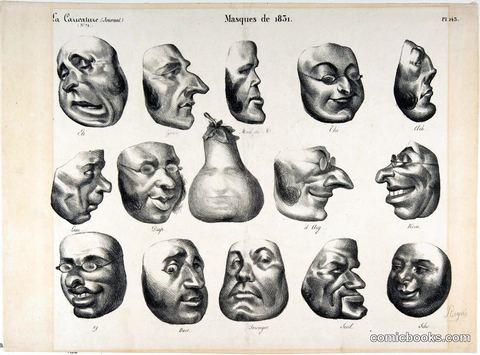
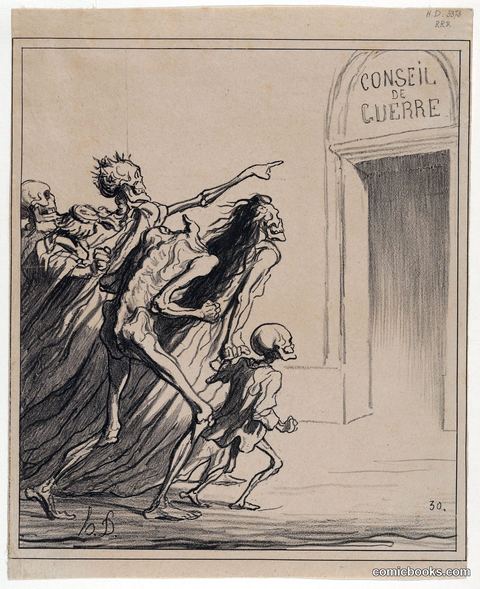
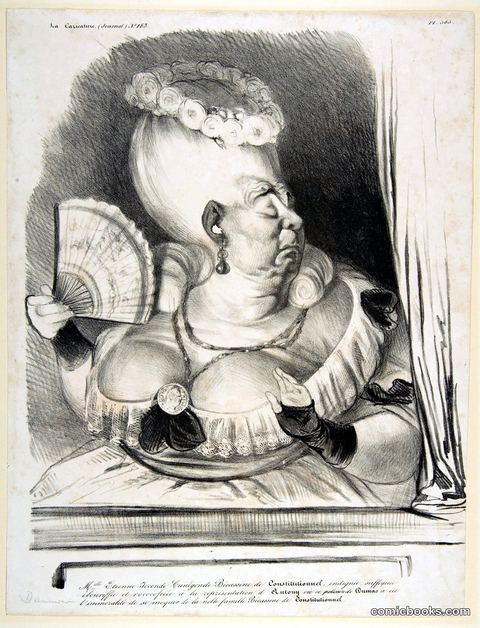
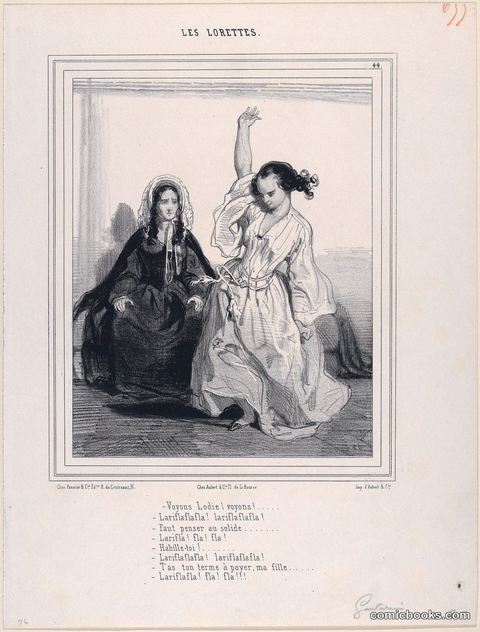
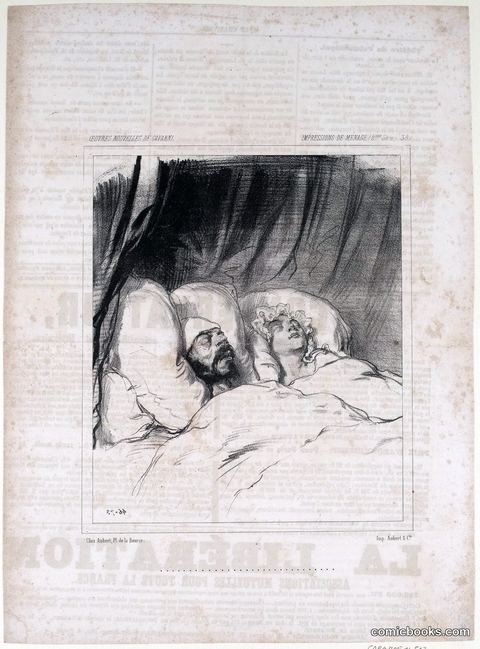
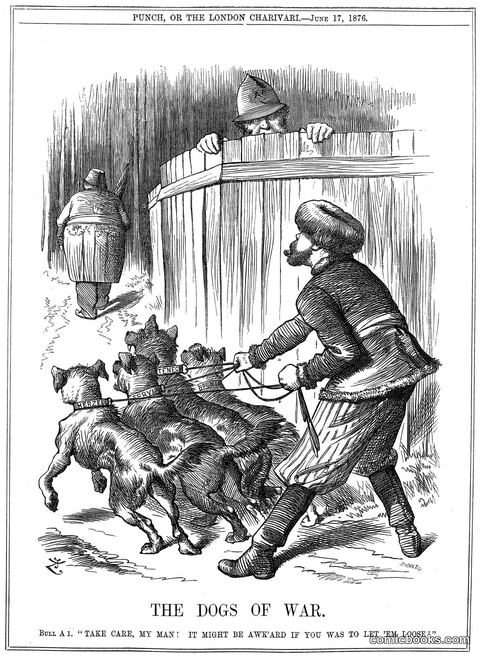
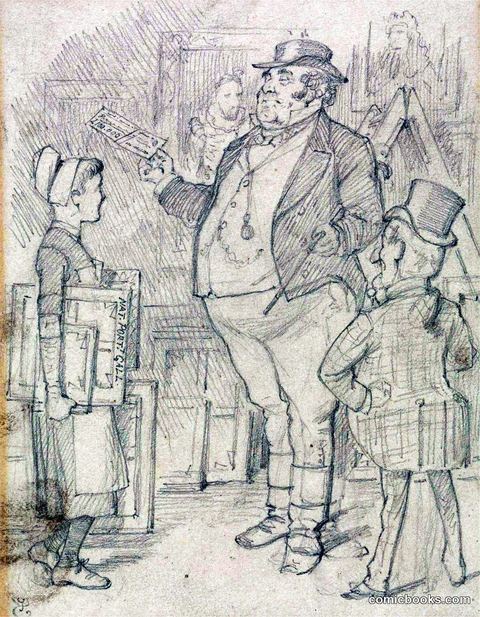
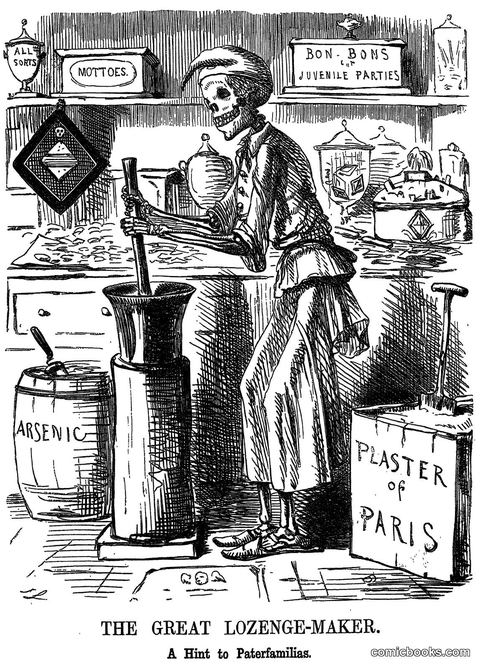
In 1830 a new kind of paper appeared on the boulevards of Paris. Charles Philipon's La Caricature, and soon its daily companion Le Charivari, put a single large lithograph at the center of each issue and pointed it straight at those in power. The technology mattered: lithography let an artist draw with a crayon and pull thousands of copies fast and cheap, so a picture could answer the news within the week. Honoré Daumier turned the form into an art of attack, modelling politicians into unforgettable grotesques; Paul Gavarni worked the softer register of manners and social types. Louis-Philippe's censors struck back, and Daumier went to jail. London followed in 1841 with Punch, which gave the word "cartoon" its modern meaning and, in John Leech and John Tenniel, produced draughtsmen who could carry a national argument in one frame. These weekly sheets established the grammar the comics would inherit: caricature, the labelled figure, and above all the recurring visual type who returns issue after issue.
All works shown are in the public domain, digitally restored by ComicBooks.com.