
Heroes Take Flight
The lapsed-copyright heroes of comics' first costumed boom — strange, vivid, and free to fly again.
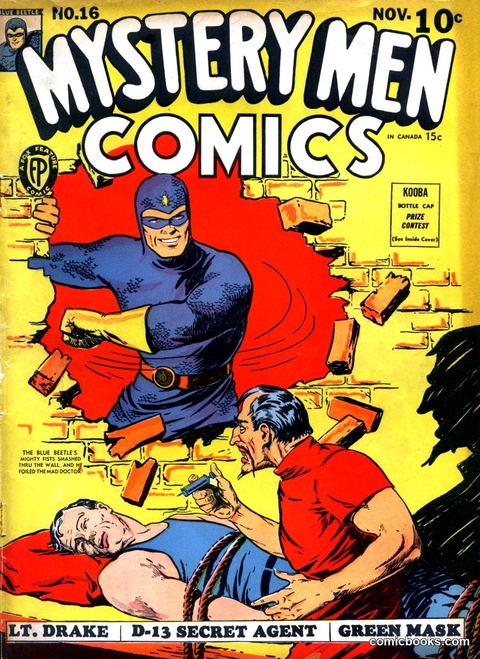
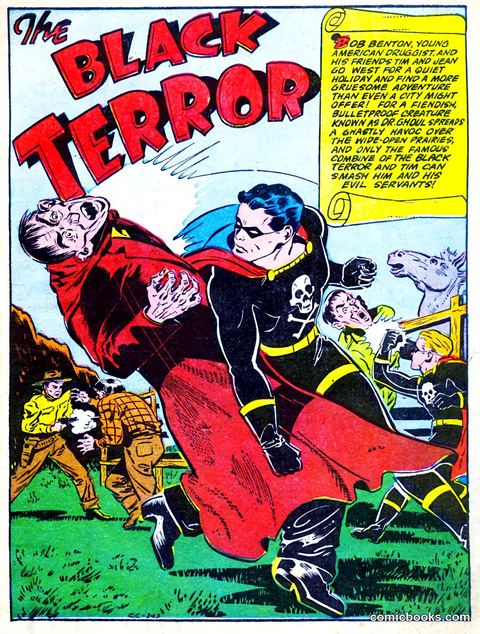
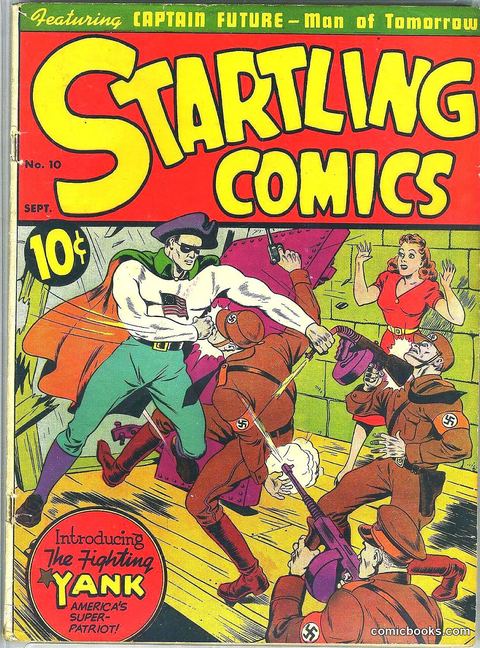
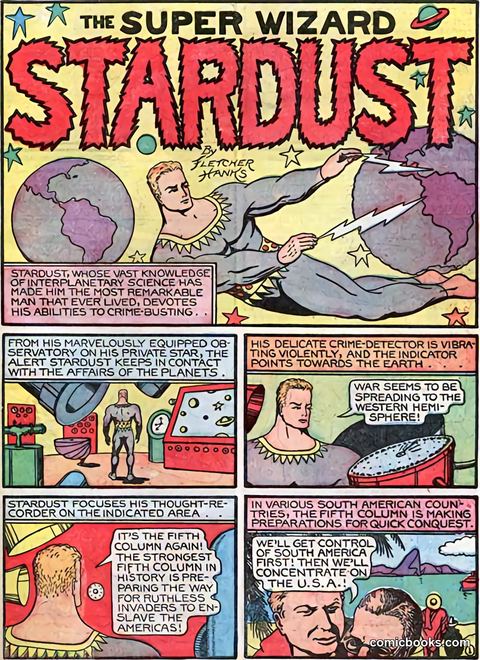
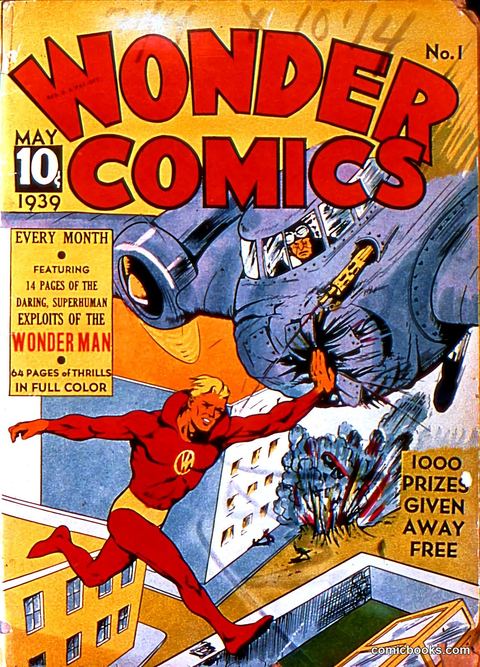
When Superman burst onto newsstands in 1938, he did more than launch a character — he opened a market. Within a year the American comic book was transformed from a repackager of newspaper strips into a factory for a brand-new kind of hero: caped, masked, super-powered, and utterly of the moment. This gallery gathers ten figures from the crowded years that followed, all of them now in the public domain, all of them free to be shown, studied, and revived.
The Gold Rush After Superman
The success of Superman, and of Batman a year later, set off a scramble. Every publisher wanted a costumed headliner, and dozens obliged. Some of these heroes — the ones owned by the companies that became DC and Marvel — remain under copyright to this day. But the boom was far wider than its survivors. Small and mid-sized publishers, working at breakneck speed to fill the racks, produced a sprawling second tier of heroes whose companies folded, whose copyrights were never renewed, and who slipped quietly into the public domain. What looks today like a fringe was, at the time, the roaring bulk of the industry.
The Strange Fringe and Its Second Life
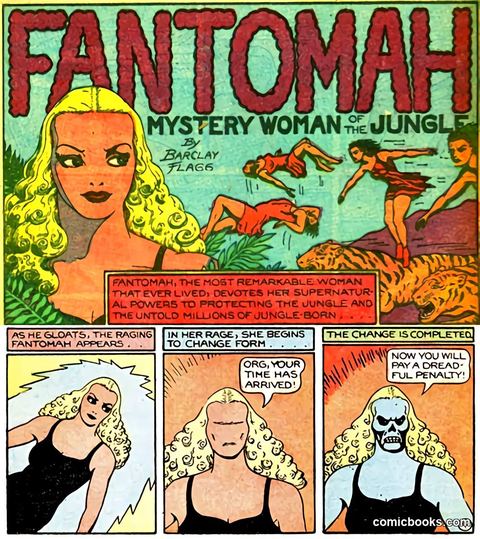
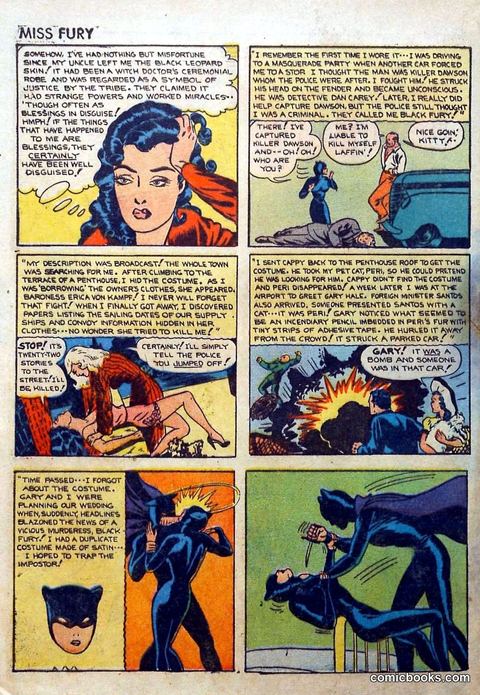
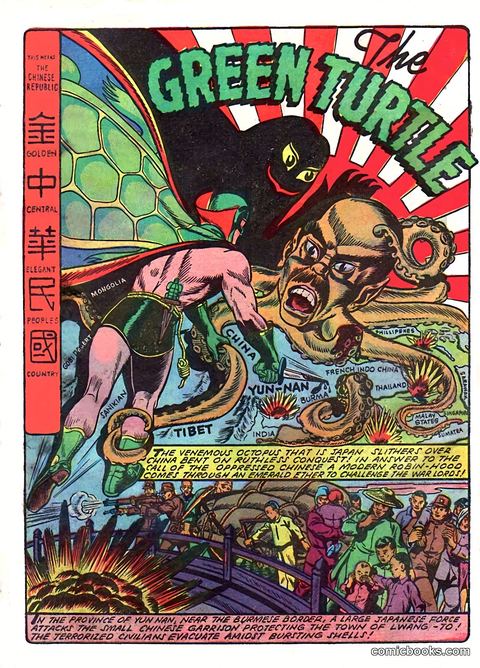
Speed and low stakes bred freedom. Without the resources or caution of the major houses, the second-tier studios produced some of the era's oddest and most original work: the hallucinatory cosmic justice of Fletcher Hanks, the pioneering heroines of Tarpé Mills, an early Asian-American-created hero in the Green Turtle, and the glamorous, controversial "good girl" art that would later help ignite a national panic over comics. Because so many of these characters lapsed into the public domain, they have enjoyed a remarkable second life. Modern writers and artists have freely revived the Nedor heroes, the Green Turtle, and others — reimagining them in new stories, teaming them up, and rebuilding their origins, precisely because no one owns them. What was once disposable newsstand product has become a shared inheritance. To walk this gallery is to see both a lost golden age and a living, open archive that any creator can still draw from today.
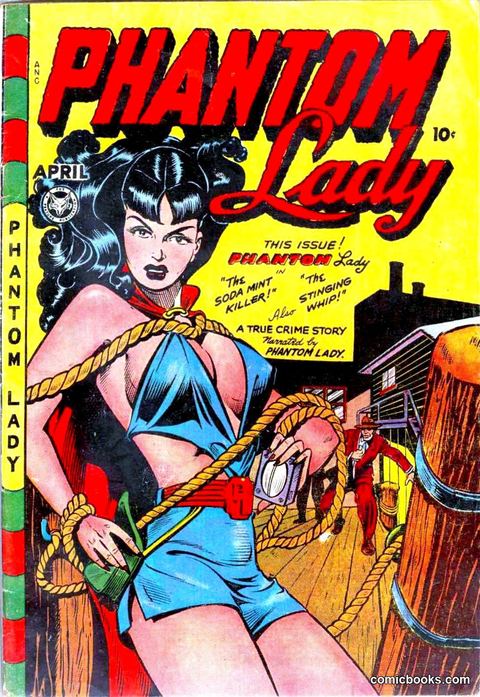
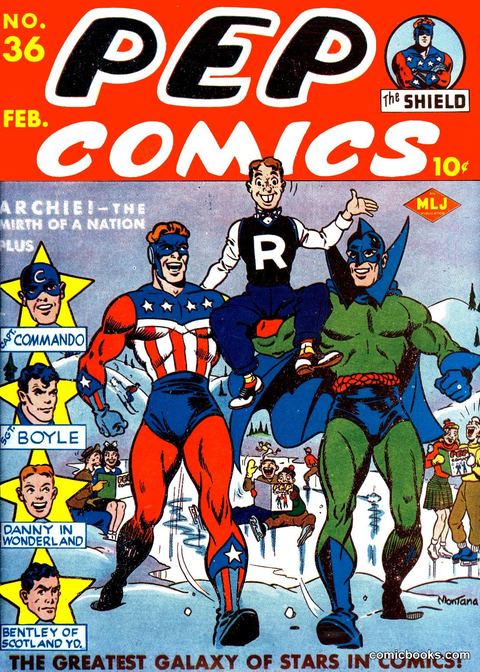
All works shown are in the public domain, digitally restored by ComicBooks.com.