
The Golden Age Dawns
The newsstand catches fire: how a folded-over freebie became the American comic book—and why so much of that Golden Age is now yours to read for free.
In the middle of the Great Depression, a new object appeared on American newsstands: a cheap, colorful, staple-bound pamphlet of comics. Within a few short years it would grow into a mass medium read by millions of children and soldiers, spawn the superhero, and give American popular culture some of its most enduring characters. This gallery follows that eruption—roughly 1934 through the 1950s—told entirely through comics that are now in the public domain, the books of the smaller and now-defunct publishers whose copyrights lapsed.
The newsstand comic book arrives
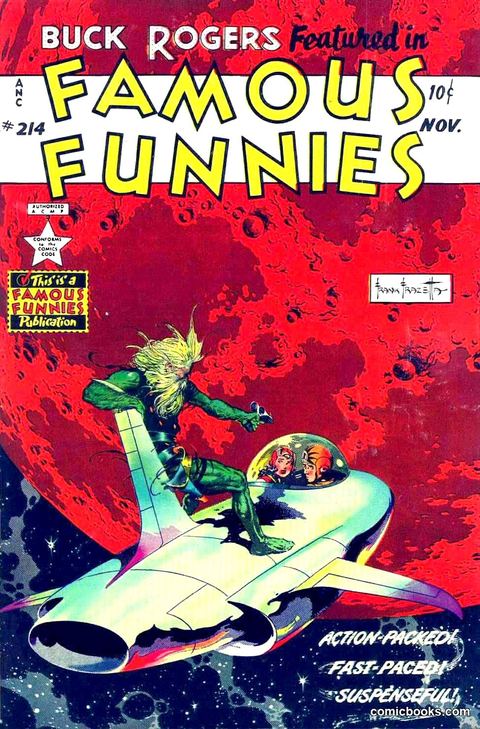
Early comics were reprints. Newspaper strips—the funnies—were collected and repackaged, and one such experiment, Famous Funnies (Eastern Color, 1934), became the first successful regular monthly comic book sold on newsstands. It proved a startling thing: people would pay a dime for a magazine of nothing but comics. Publishers rushed in. Once the reprints ran short, editors began commissioning original material, and the modern comic book—new stories, drawn for the format—was born.
After Superman, the genres explode
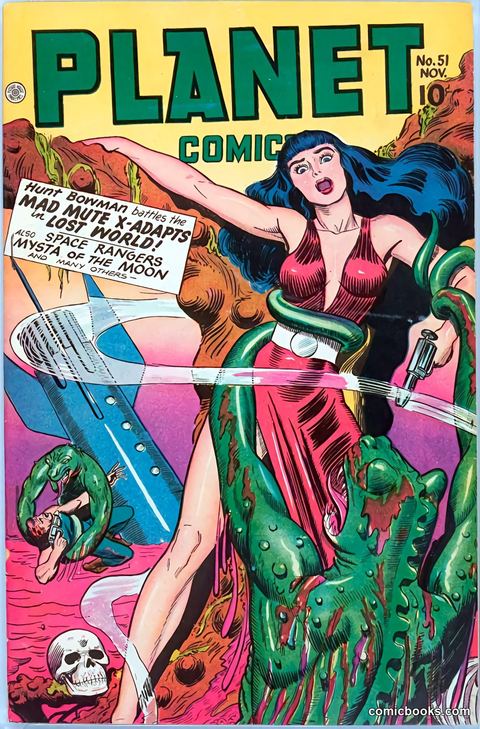
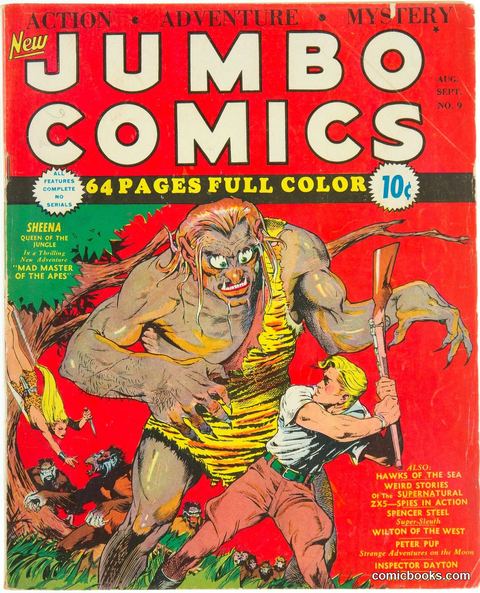
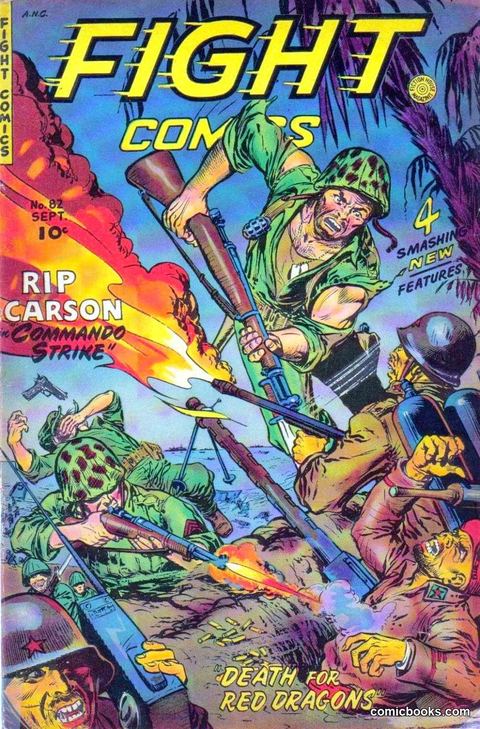
Superman's 1938 debut turned a curiosity into a gold rush. Costumed heroes multiplied, but so did everything else. Fiction House pushed lush science fiction (Planet Comics), jungle adventure (Jumbo Comics, home of Sheena), and two-fisted action (Fight Comics). Lev Gleason gave readers the original Daredevil and later pioneered the true-crime comic. Nedor/Standard and Centaur fielded their own patriotic and mystery-men heroes. It was loud, fast, wildly uneven, and enormously popular.
Why this Golden Age is free—and our mission
Much of this material is now public domain. The giants renewed their copyrights; many smaller houses folded, and their registrations were never renewed or lapsed under the rules of the era. The result is a vast, legally free library of Golden Age comics. Preserving and, where verified, freely presenting these books is exactly the work of comicbooks.com—rescuing a formative American art form from the fragility of cheap newsprint before it disappears.
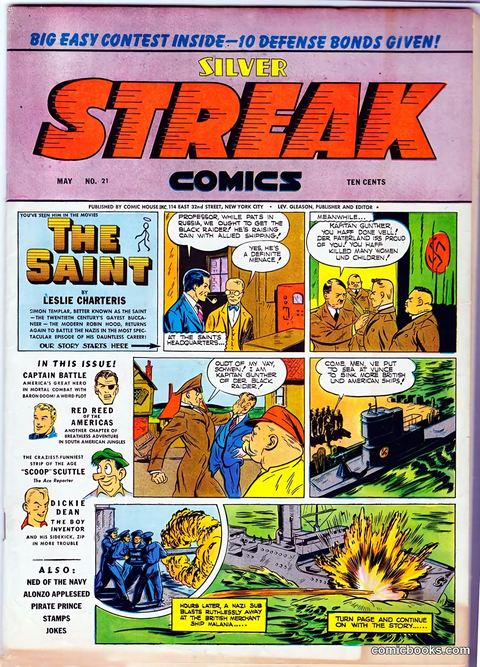
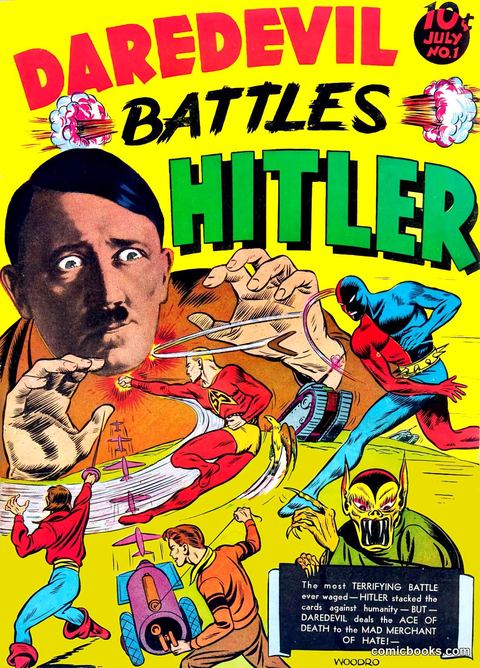
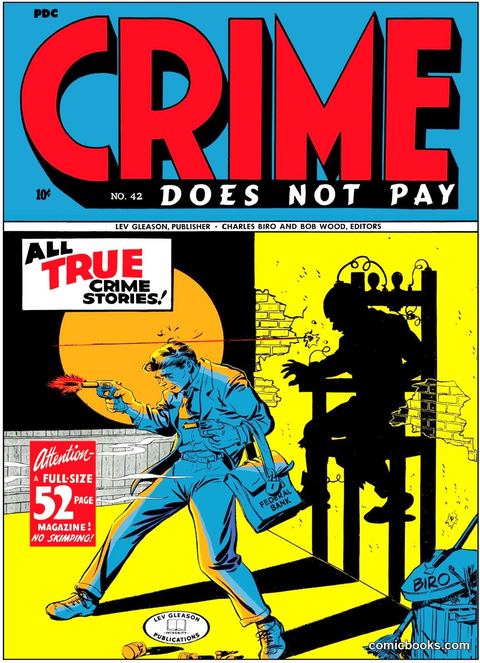
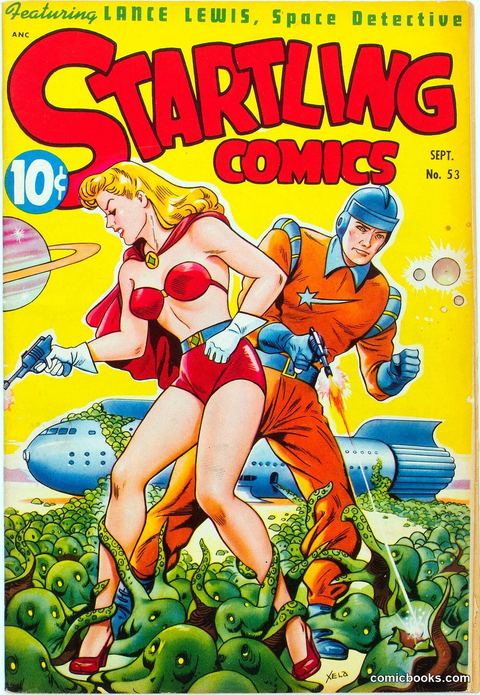
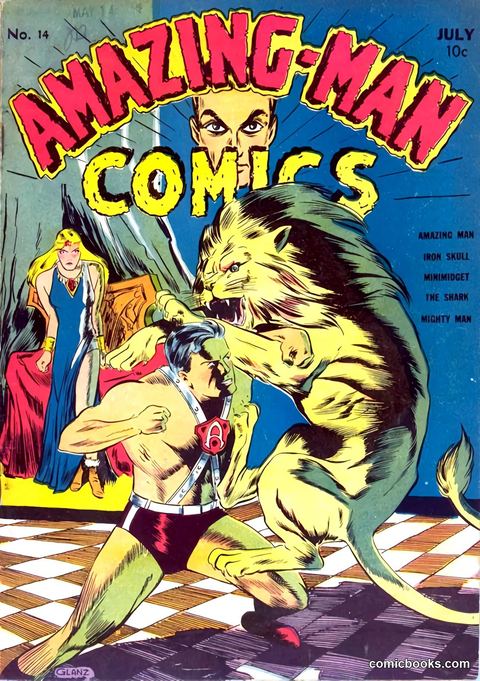
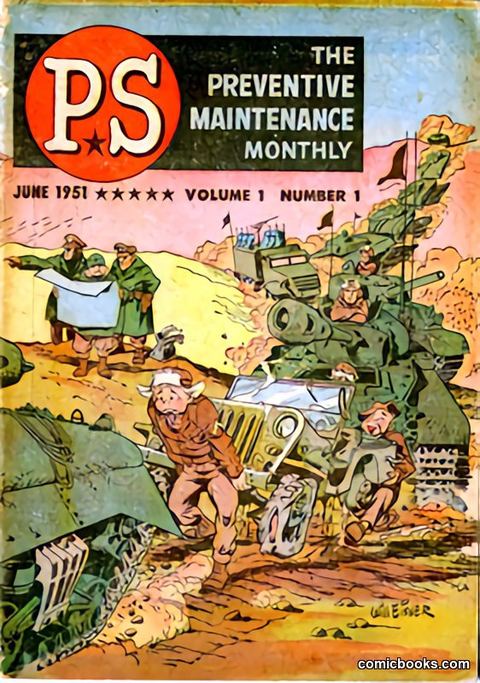
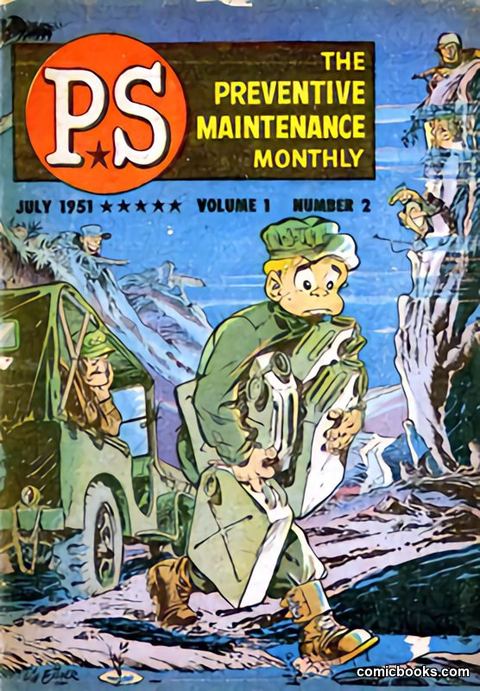
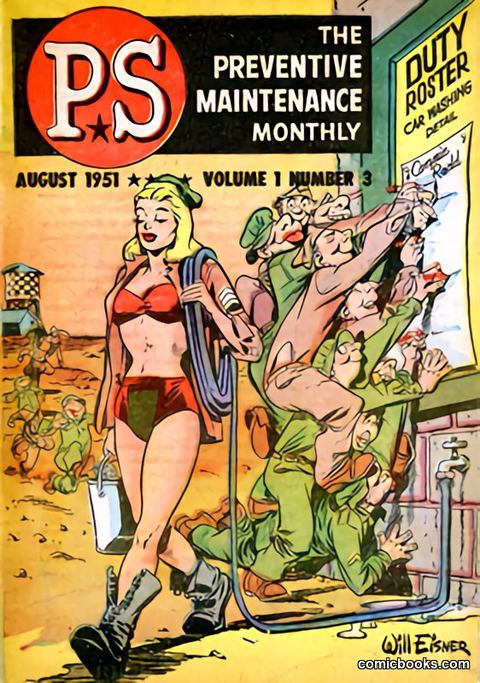
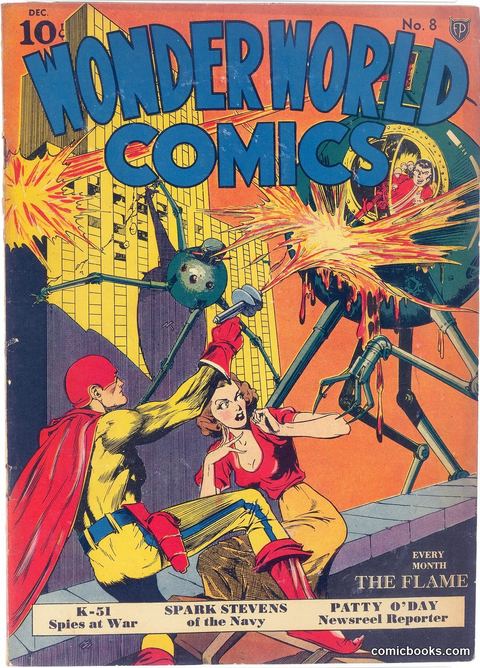
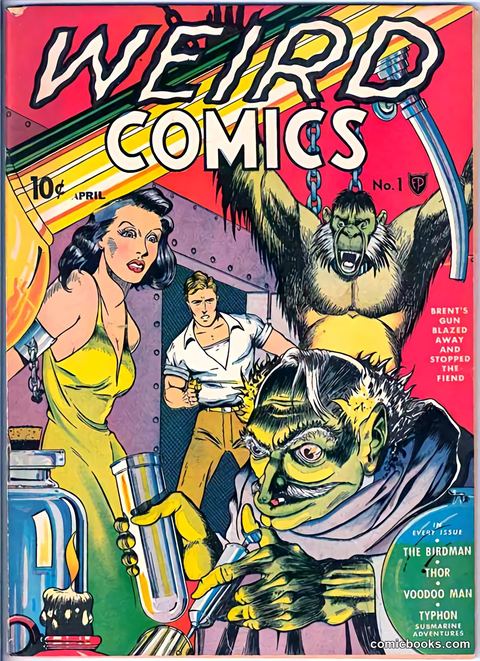
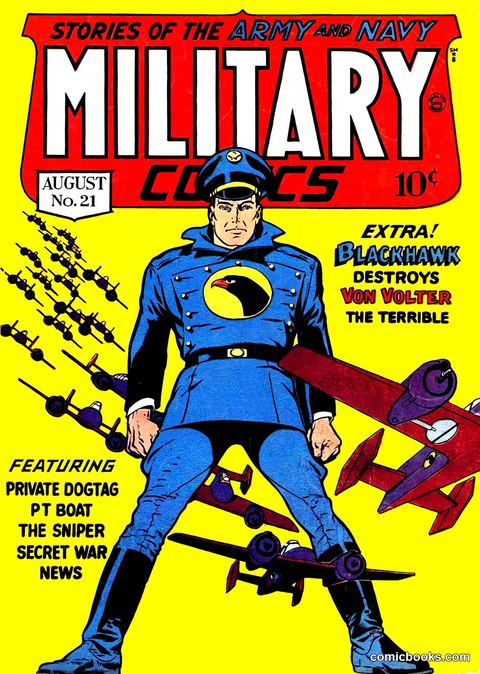
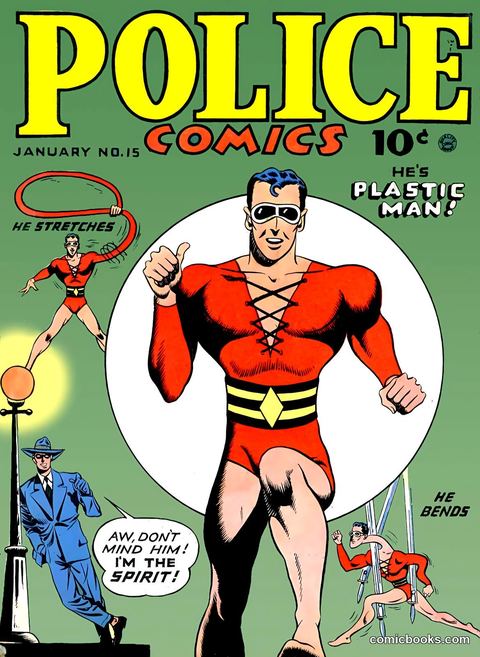
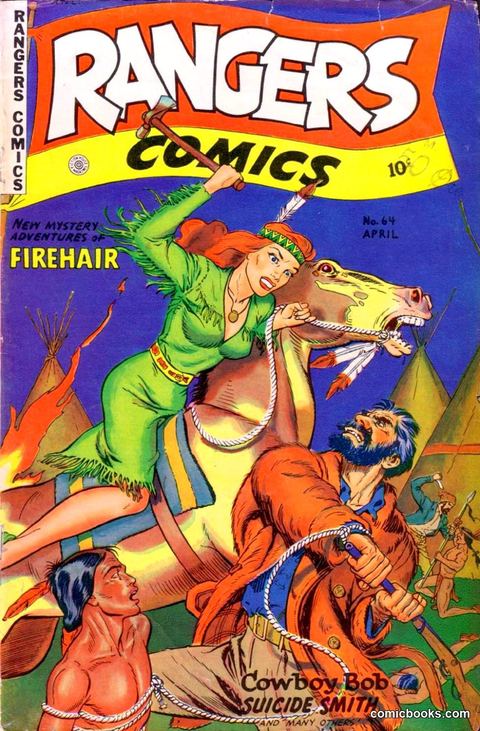
All works shown are in the public domain, digitally restored by ComicBooks.com.