
Indie Legends: How Independent Publishers Gave Us Unforgettable Heroes
From masked antiheroes to thoughtful everymen, these characters prove that the boldest stories often thrive far from the mainstream spotlight.
Indie Legends: How Independent Publishers Gave Us Unforgettable Heroes
Independent comics have long been the playground for creators who refuse to color inside the lines. While the big two dominate headlines, a vibrant ecosystem of smaller publishers has delivered some of the most memorable characters in the medium—antiheroes, monsters, and ordinary folks with extraordinary tales. These stories emphasize creator ownership, daring visuals, and themes that stick with readers for decades.
Trailblazers Who Built New Foundations
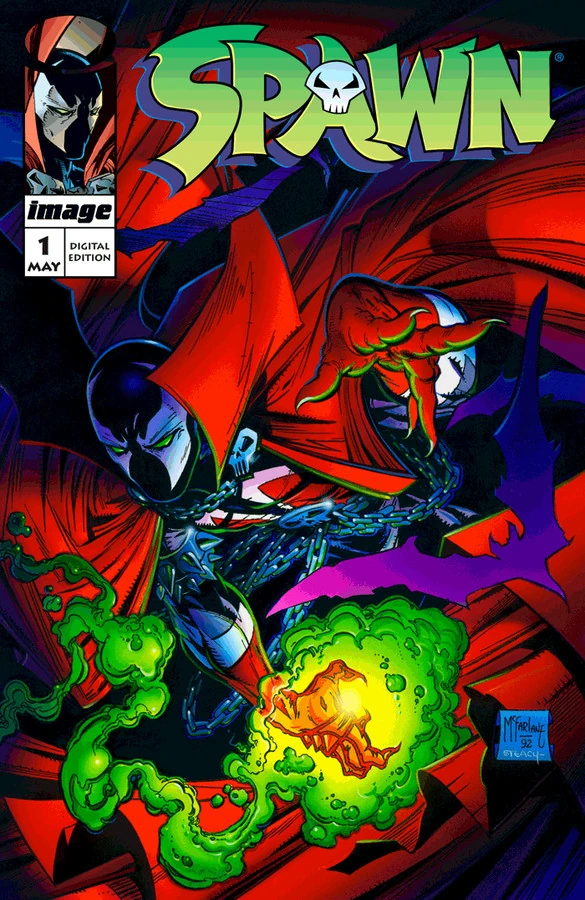
Long before crowdsourced campaigns and digital platforms, a few visionaries proved that fresh voices could thrive outside corporate structures. Concrete first appeared in Dark Horse Presents #1 (1986), bringing a grounded, philosophical lens to the life of an ordinary man trapped in a stone body. Hellboy followed with his debut in San Diego Comic Con Comics #2 (1993), mixing pulp horror, humor, and heartfelt monster-hunting in equal measure. These early successes showed that independent houses could nurture slow-burn epics rather than monthly event cycles.
The Image Revolution of the Early 90s
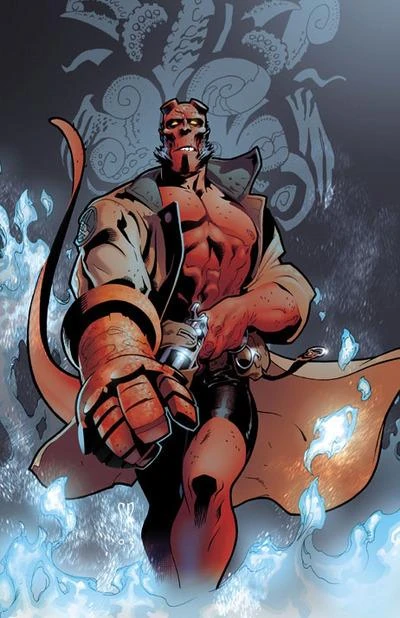
The 1990s saw an explosion of creator-owned titles that prioritized style, spectacle, and ownership. Spawn first appeared in Spawn #1 (1992), launching a gritty supernatural saga that still resonates. Savage Dragon debuted the same year in The Savage Dragon #1 (1992), delivering over-the-top action with a lovable green-scaled hero at its center. Witchblade arrived in Witchblade #1 (1995), pairing supernatural artifacts with fierce, stylish storytelling. Shadowhawk added a brooding vigilante edge, while Grendel and Kabuki explored mythic revenge and identity through striking, artistic visions. Together they proved that independent publishers could match—and often exceed—mainstream energy.
Modern Voices and Enduring Quirks
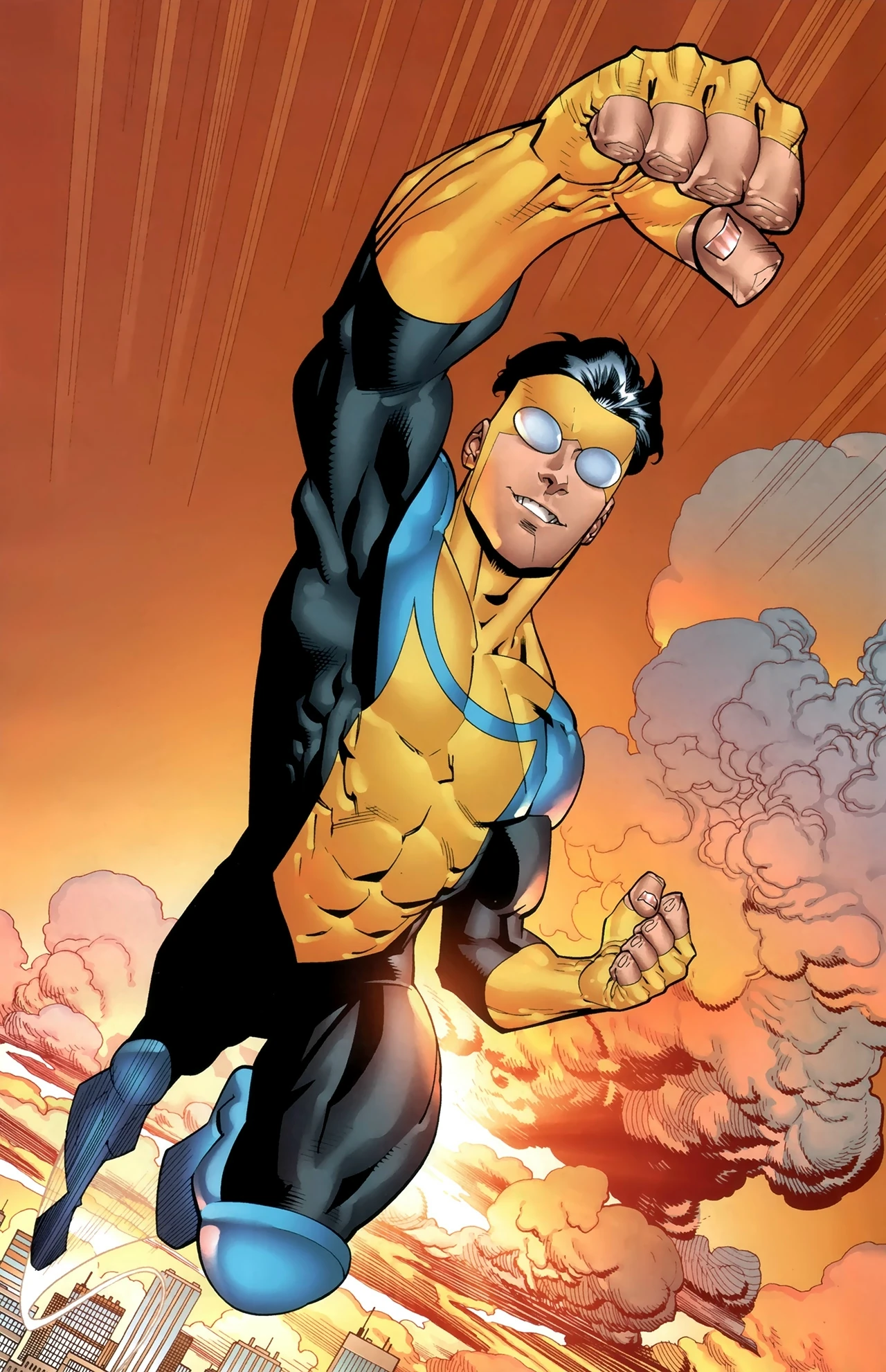
Into the new millennium, indies continued to surprise with heartfelt and offbeat characters. Invincible first appeared in Invincible #1 (2003), offering a fresh spin on legacy superheroics laced with genuine emotion and consequences. Cerebus carved out a singular place with its ambitious, long-form satire. The Tick brought absurdist comedy and unstoppable optimism to the scene, Madman delivered retro-futuristic charm and existential wonder, and Cerebus reminded everyone that one creator’s singular vision could sustain an entire universe.
Why These Stories Still Matter
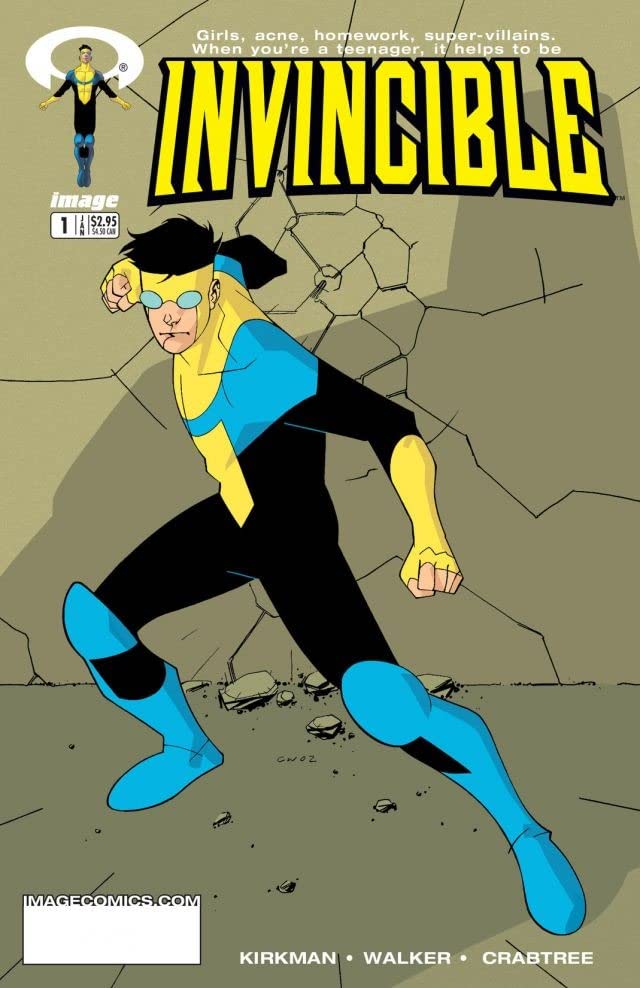
These characters endure because they were allowed to grow on their own terms—sometimes messy, often profound, always memorable. Whether they’re battling hellspawn or simply trying to live ordinary lives in extraordinary circumstances, they remind us that the heart of comics beats strongest when creators have the freedom to dream big.
A ComicBooks.com feature, written from our catalog of 2.3M+ issues — every name links to its page. Ask the shop assistant →