★ comicbooks.com Reading Room
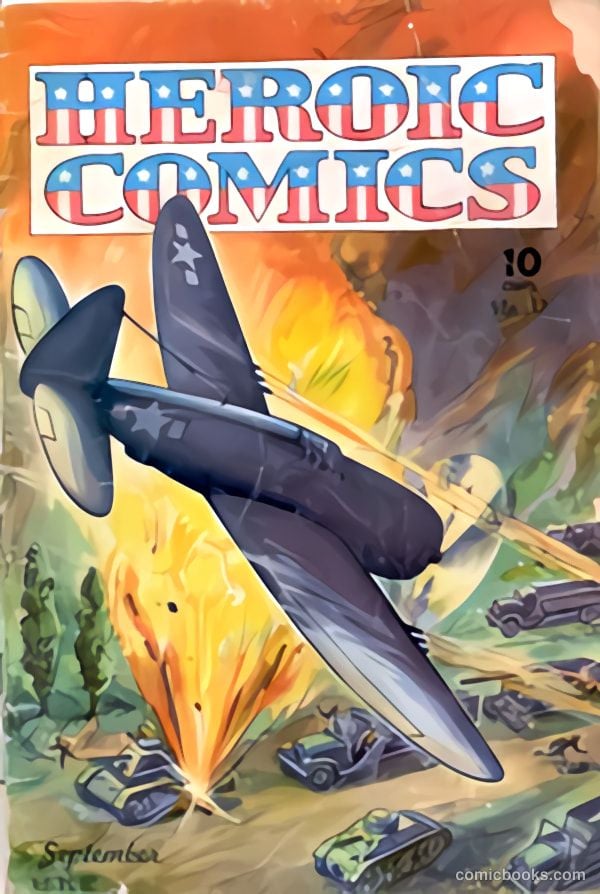
Heroic Comics #32 (1945)
Free to read · restored edition by comicbooks.com · Issue details →
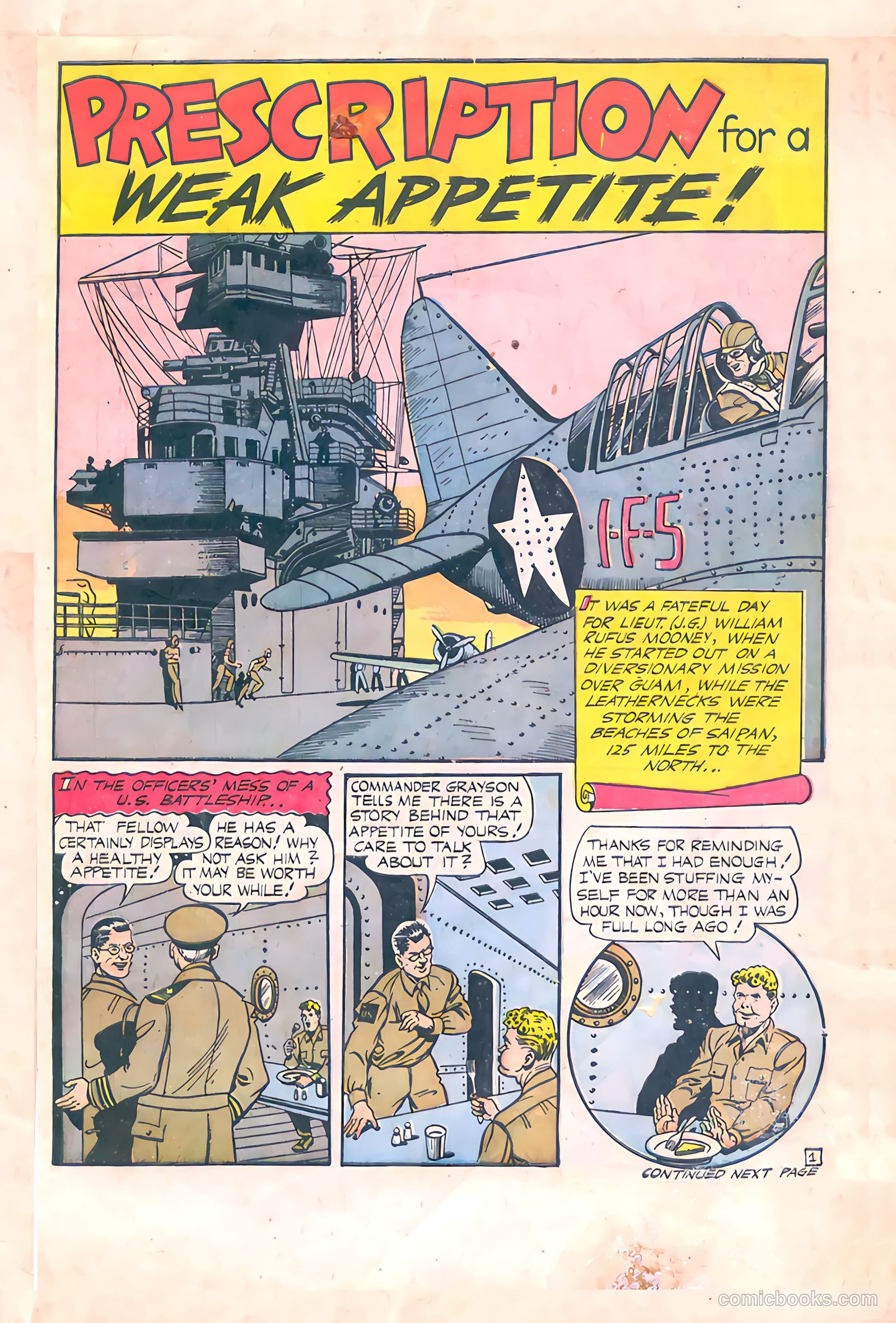
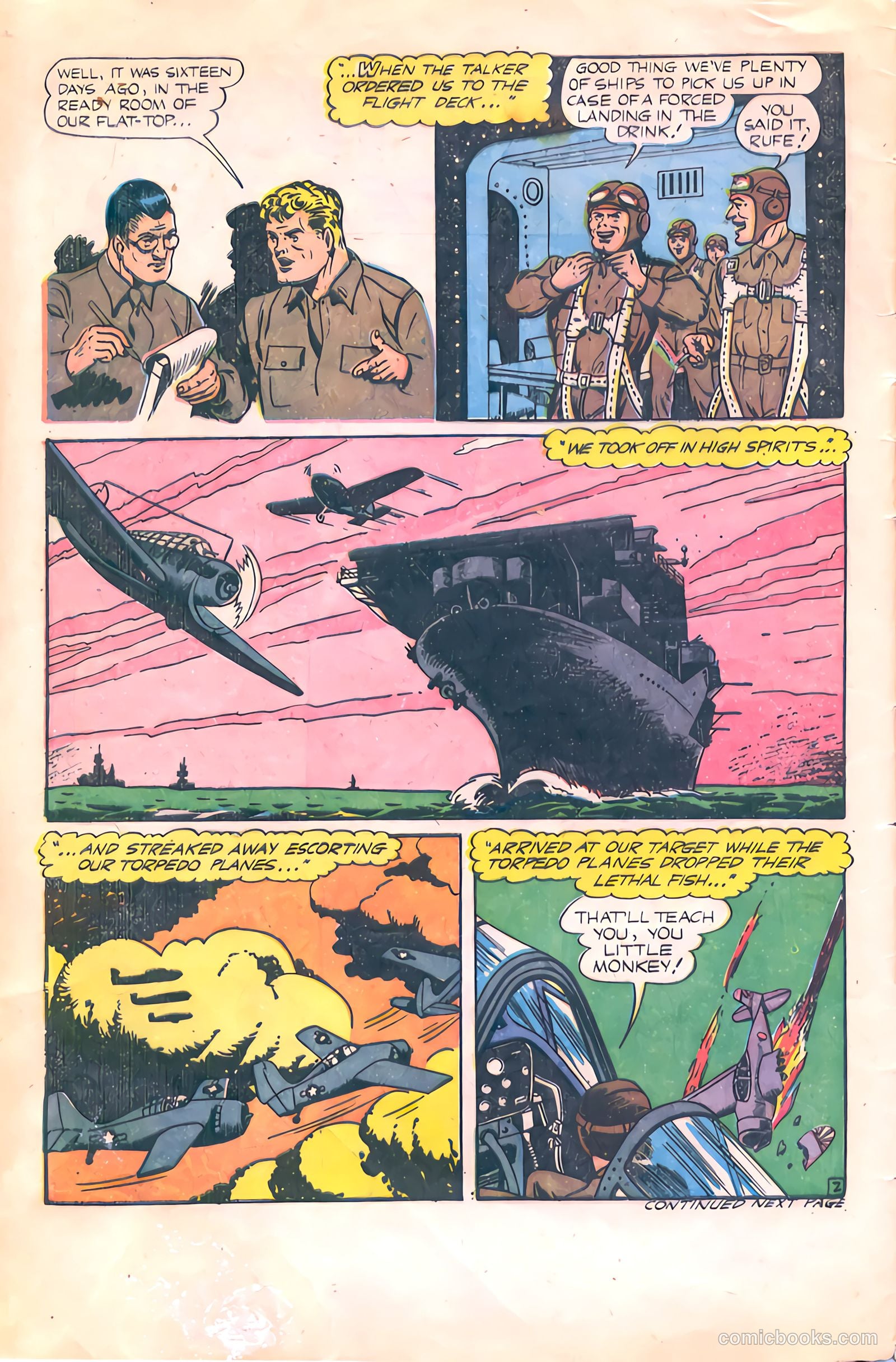
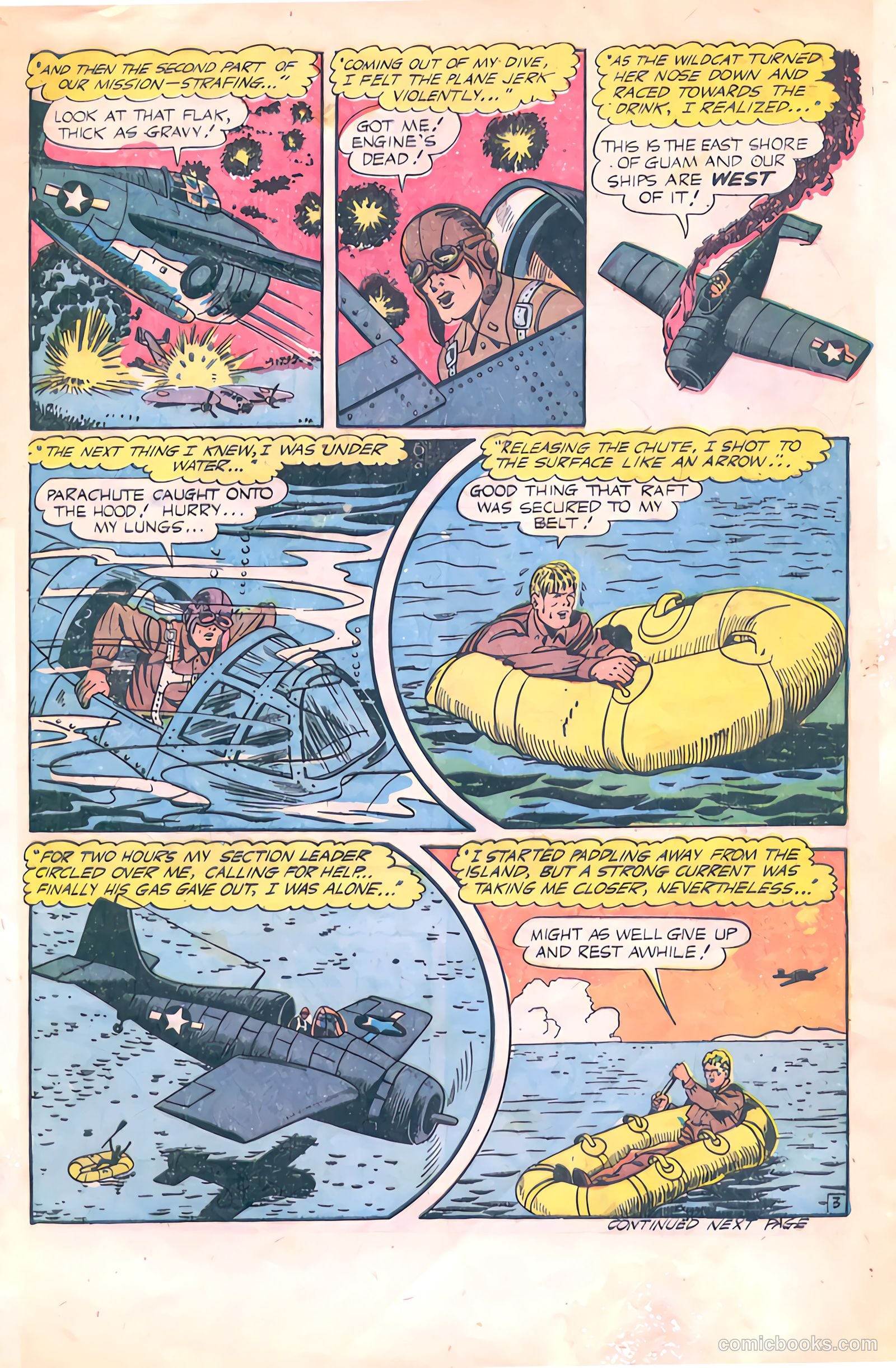
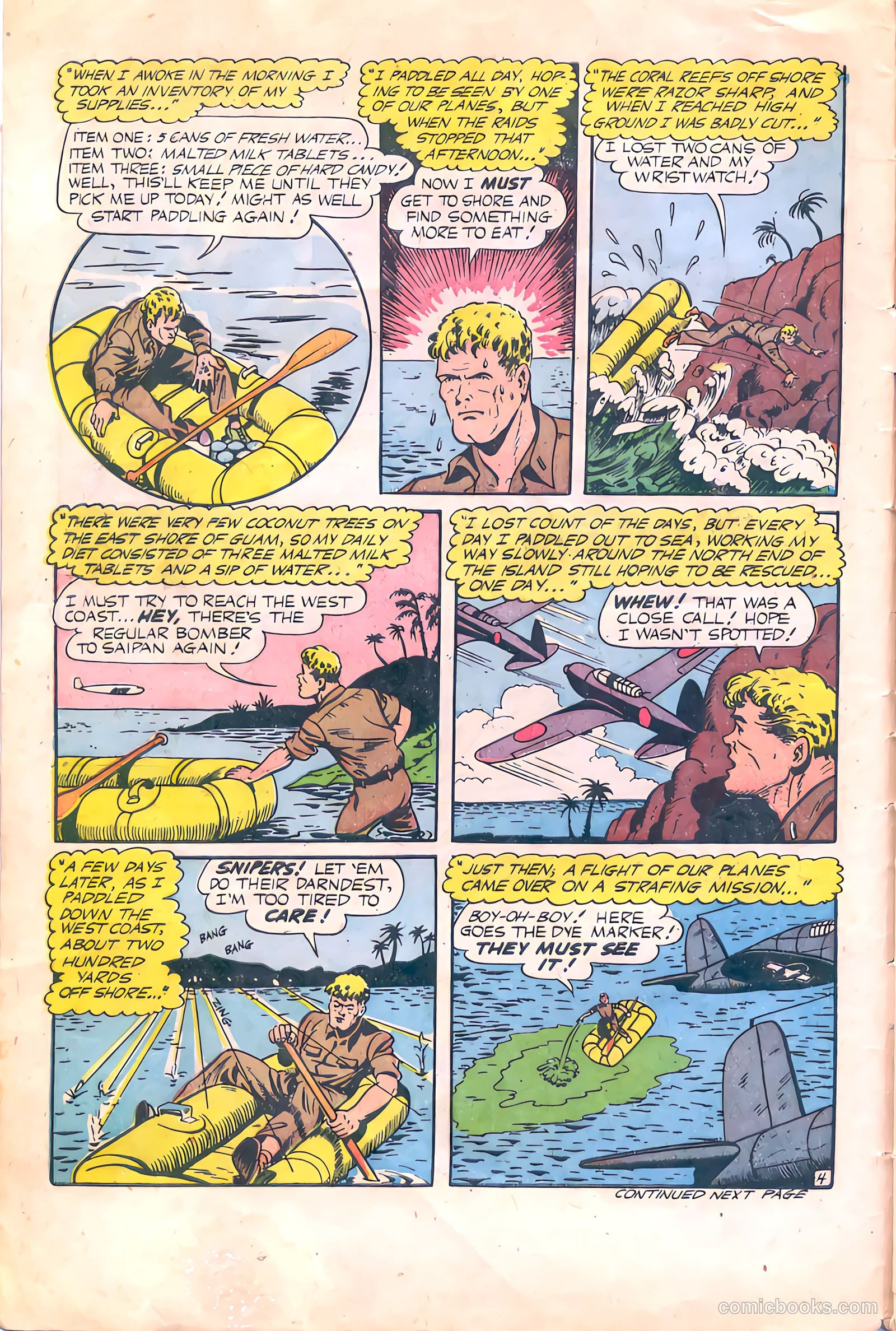
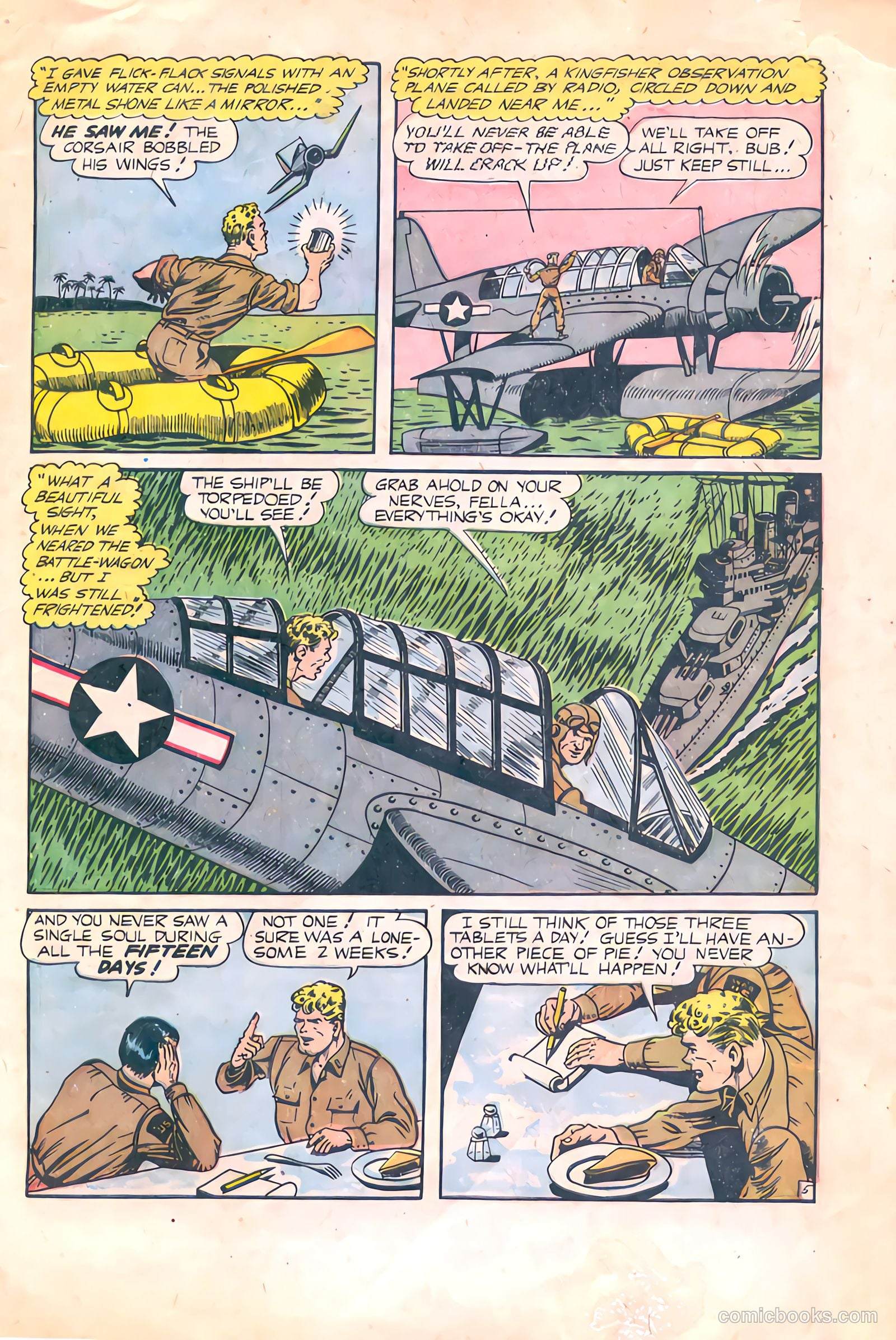
In the officers' mess of a U.S. battleship, Lieutenant (J.G.) William Rufus Mooney draws attention for his hearty appetite, prompting Commander Grayson to ask about the story behind it. Flashing back to a harrowing flight mission over Guam, Mooney recounts his survival after a forced landing at sea, spending fifteen days adrift on a raft with dwindling supplies, battling exhaustion, injury, and isolation—only to be rescued by a passing American plane.
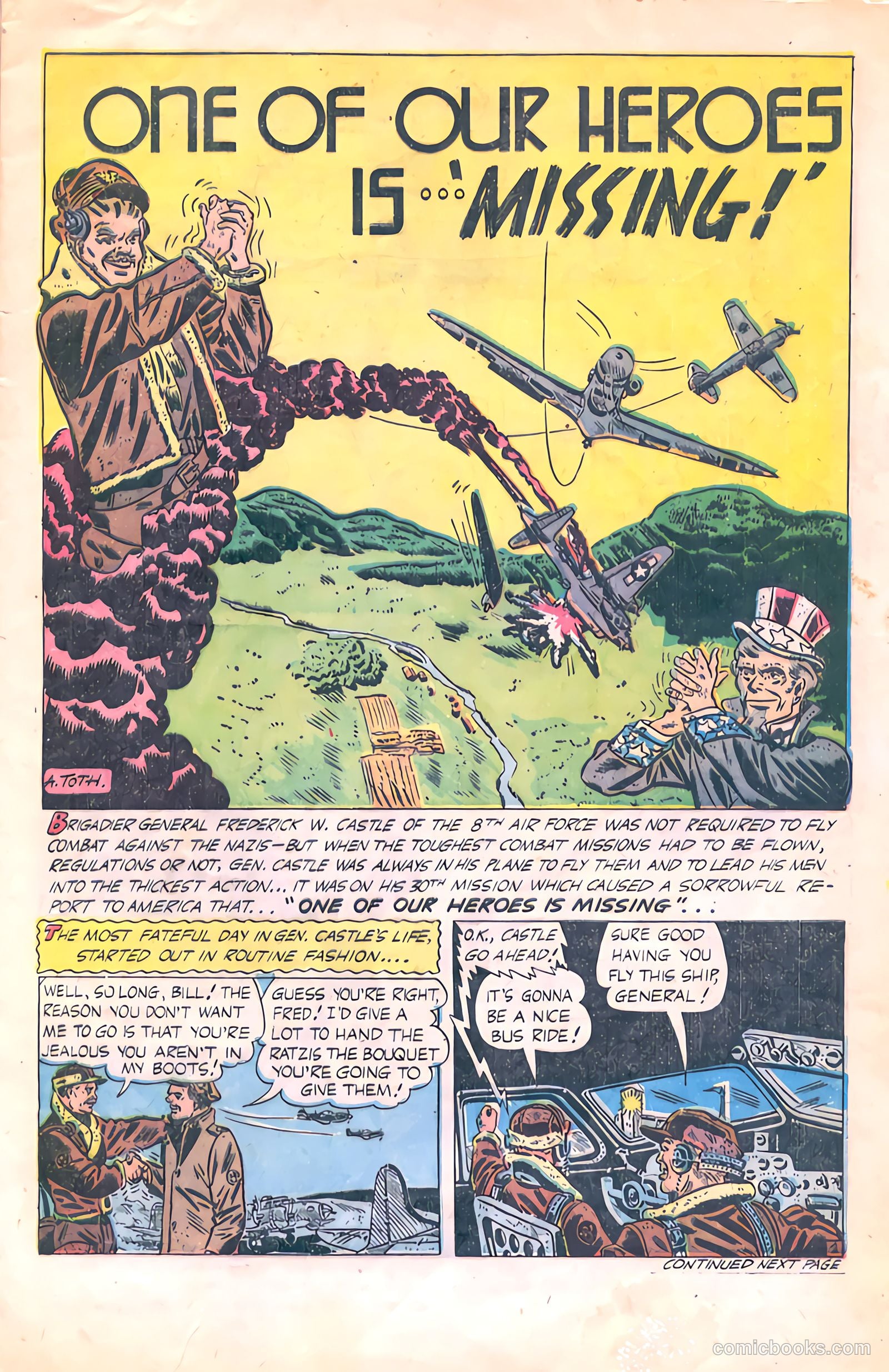
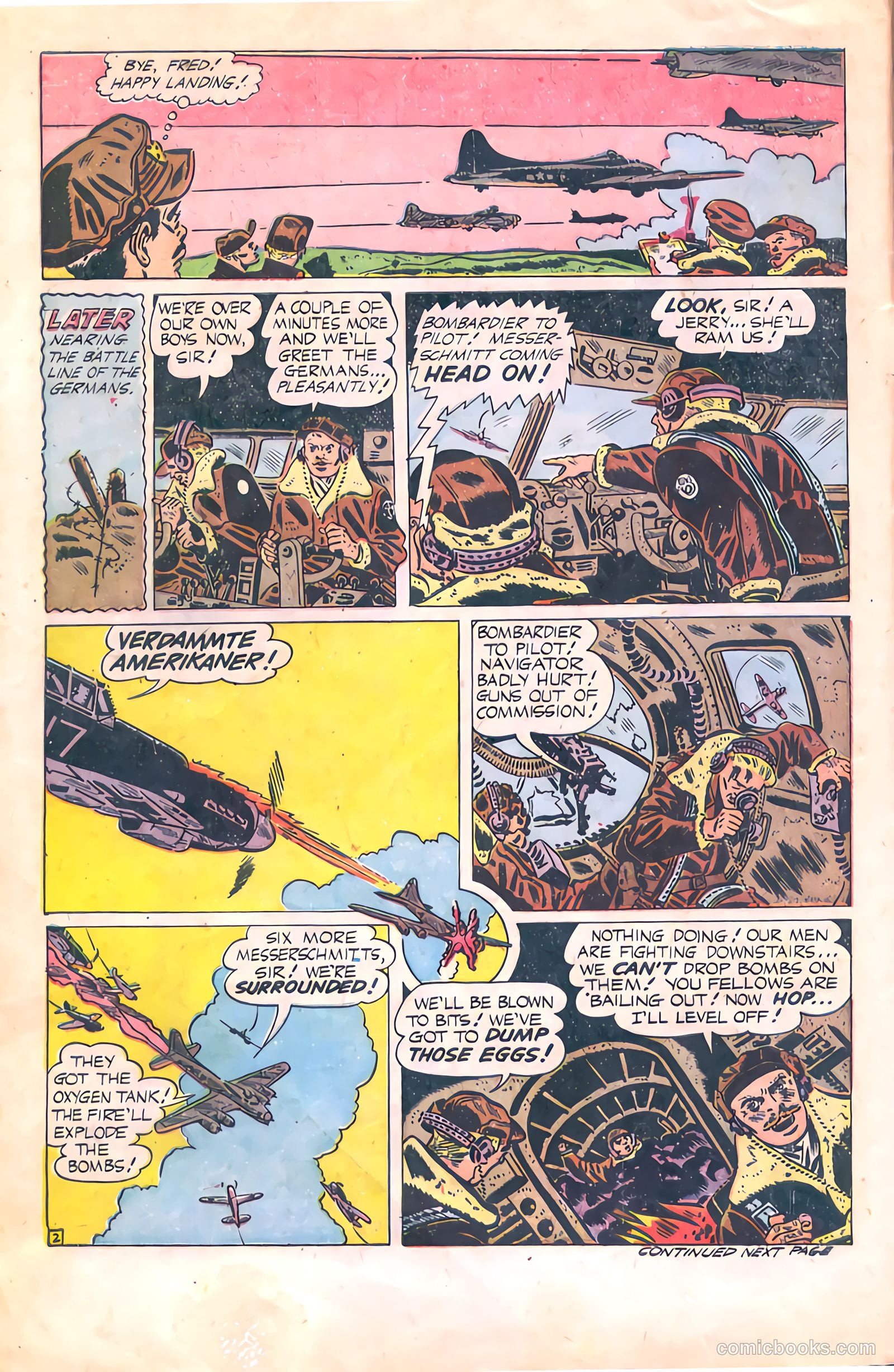
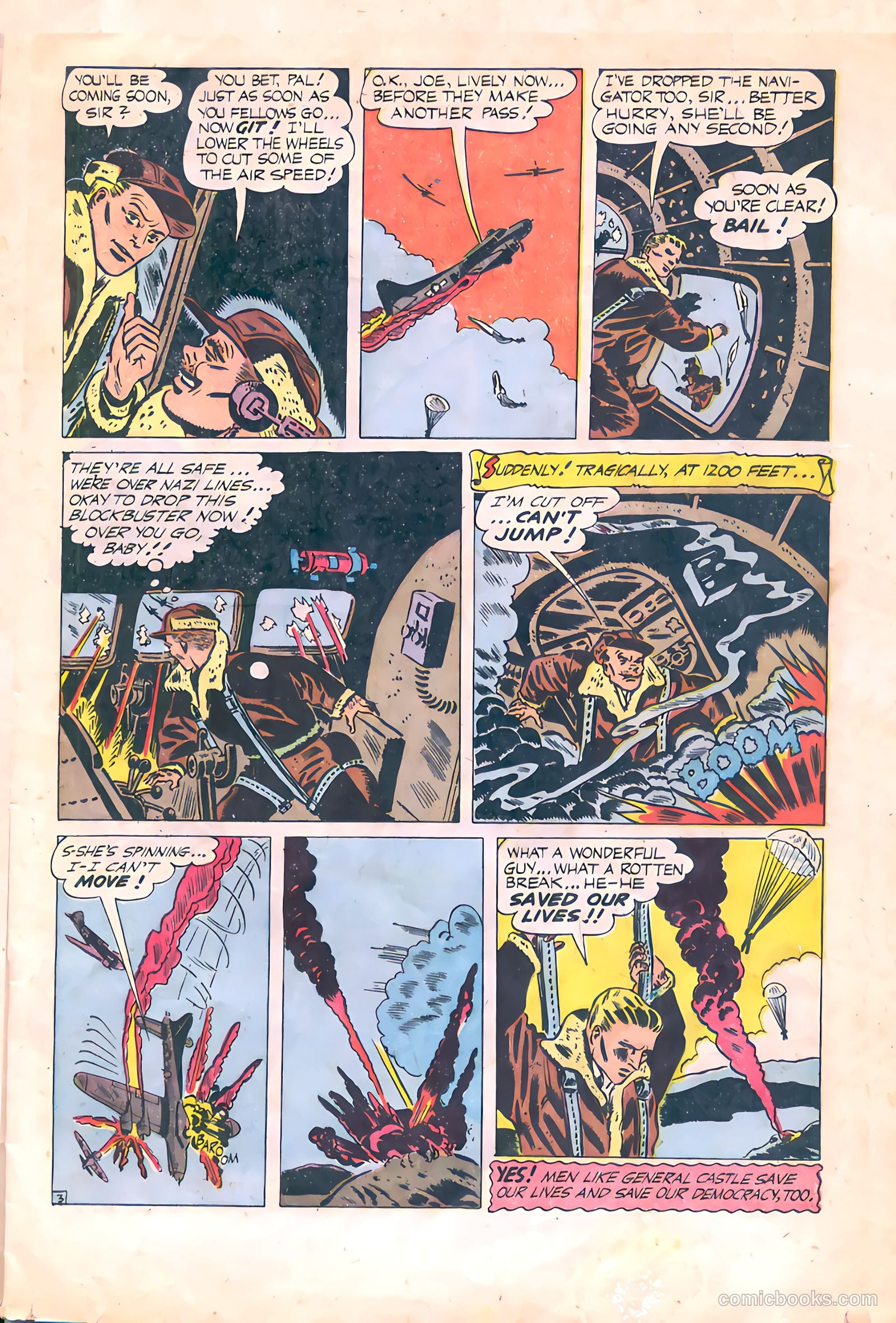
When Brigadier General Frederick W. Castle takes command of a dangerous combat mission despite not being required to fly, his final act of bravery comes as his plane is shot down over enemy territory—leaving his fate unknown. Though his crew safely evacuates, Castle remains trapped in a failing aircraft, his sacrifice echoing through the aftermath. The story honors his courage as the nation mourns one of its heroes lost in the fight.
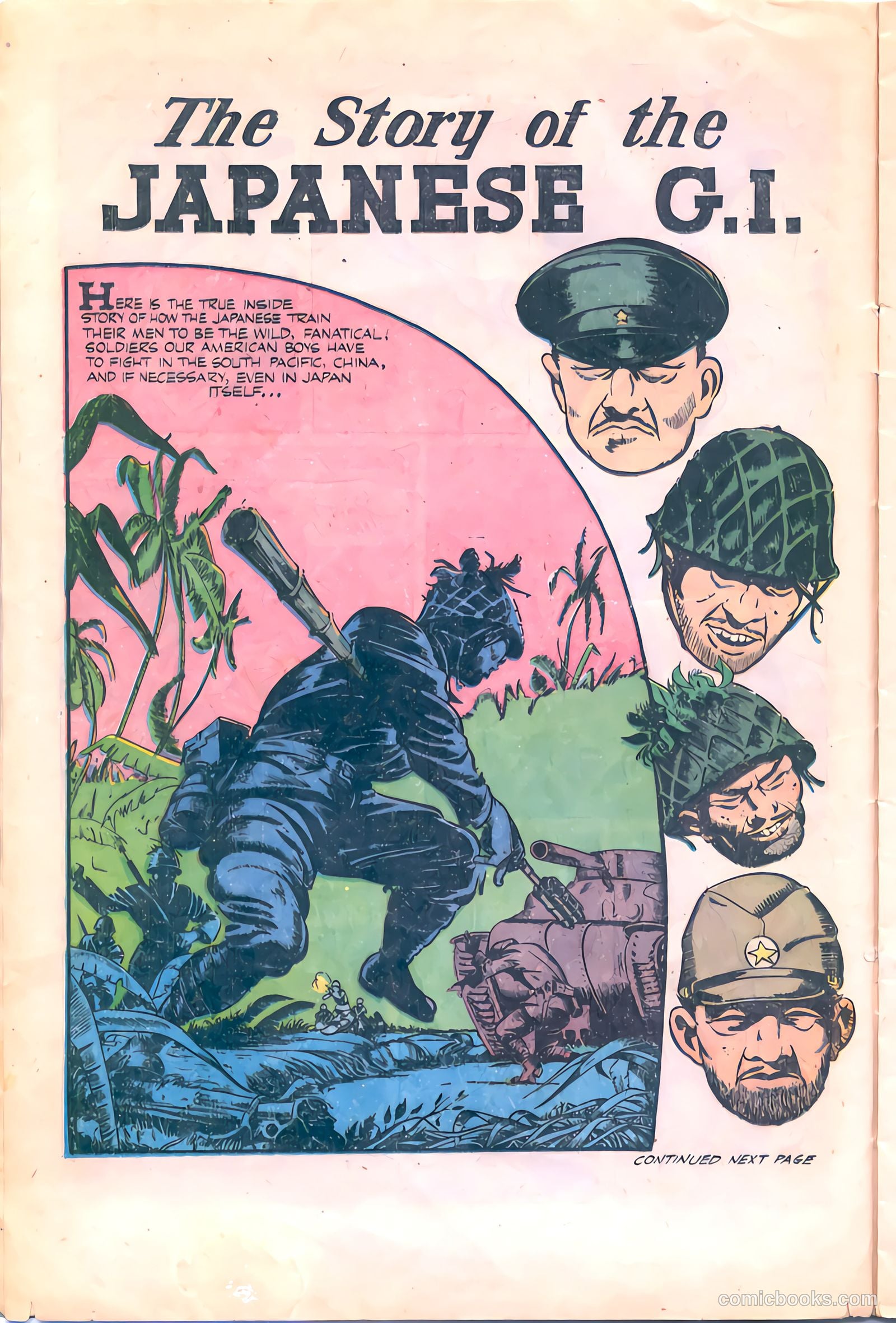
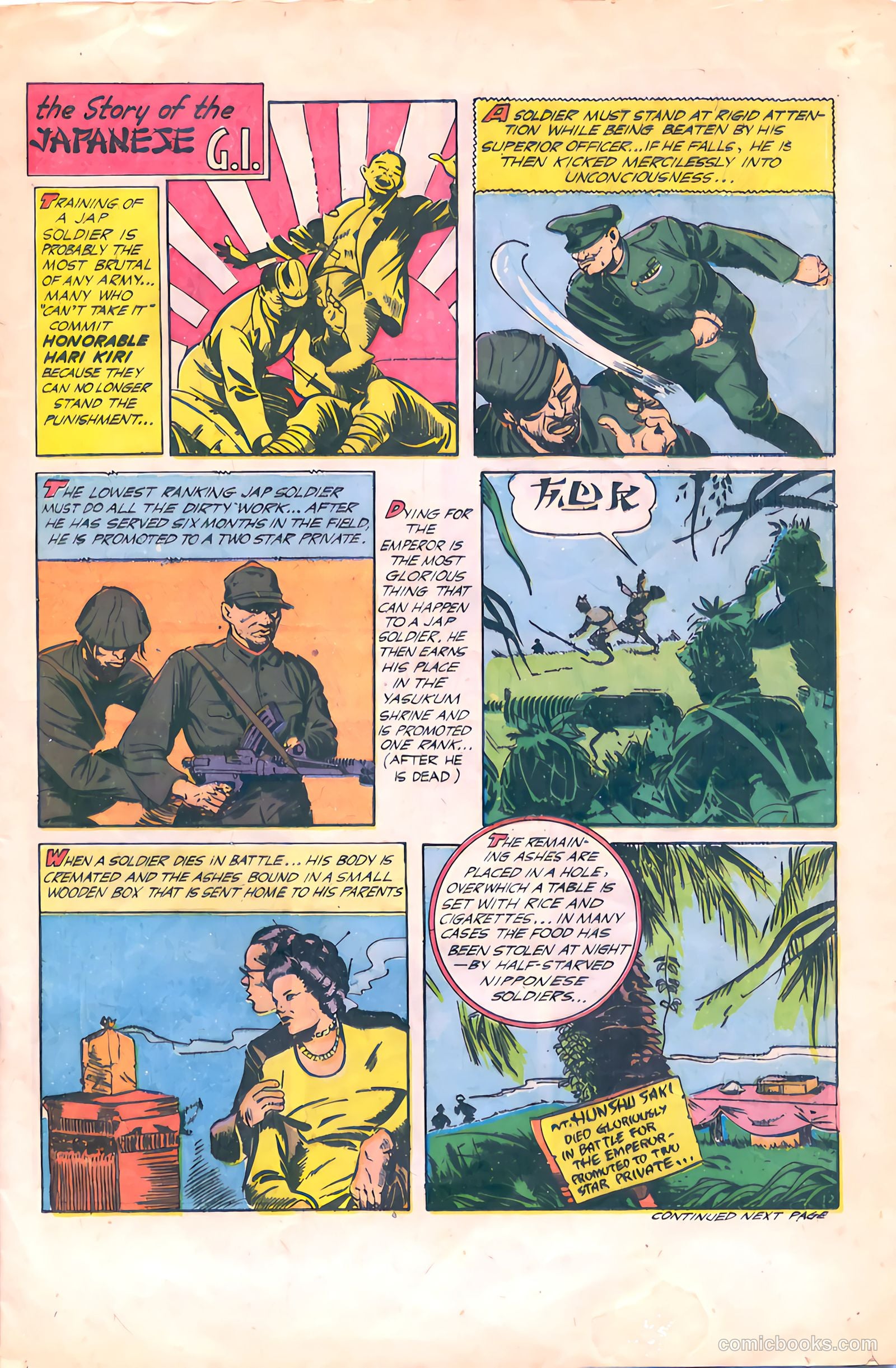
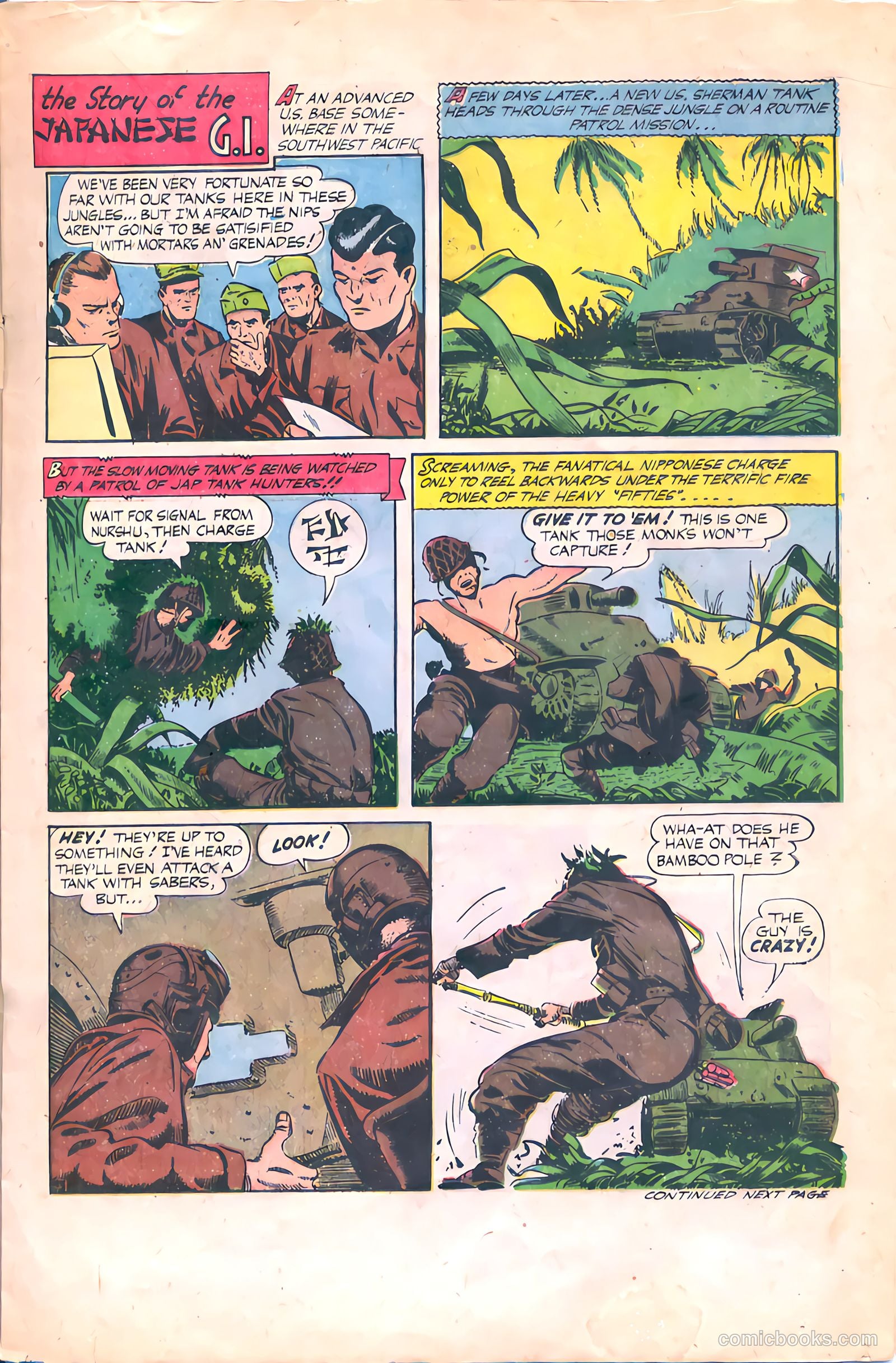
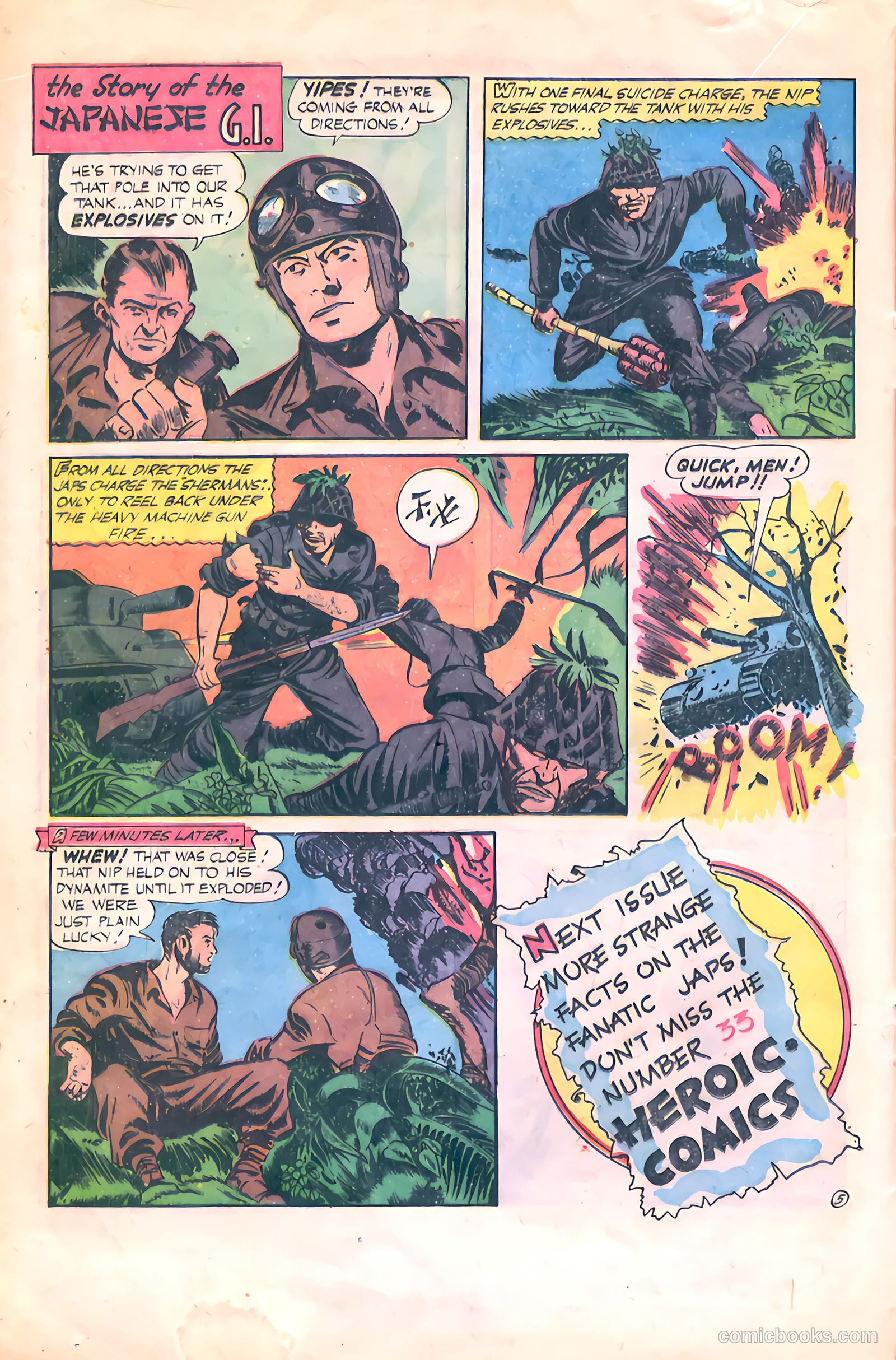
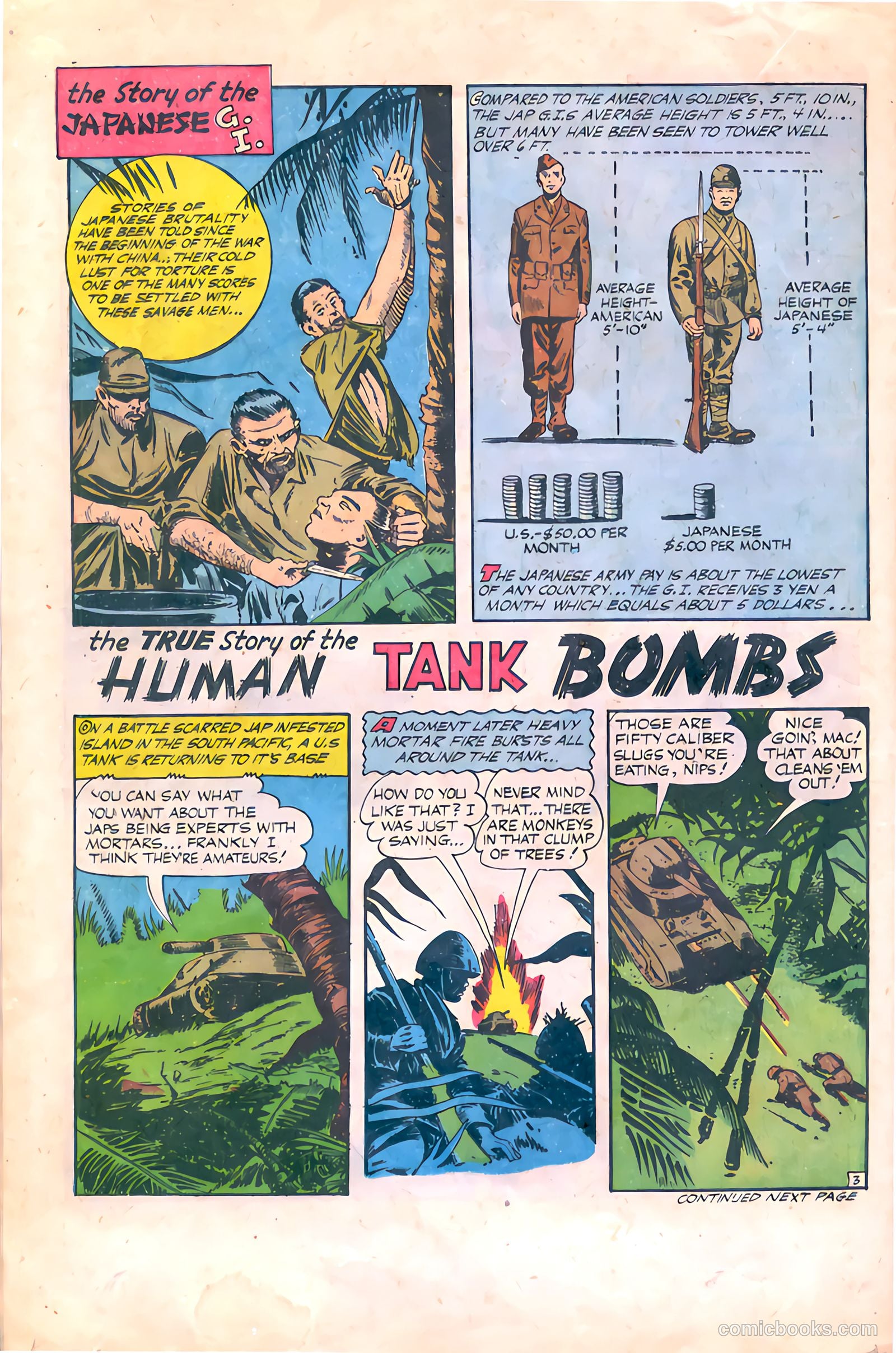
In a stark wartime narrative, the story contrasts the brutal training and harsh conditions faced by Japanese soldiers with the resilience of American GIs, highlighting the extreme discipline, low pay, and fanatical devotion to the Emperor that defines the Japanese soldier’s experience. Through a series of grim vignettes and a tense jungle ambush, the tale portrays the relentless suicide attacks and desperate tactics of Japanese troops, seen through the eyes of U.S. forces defending against them.
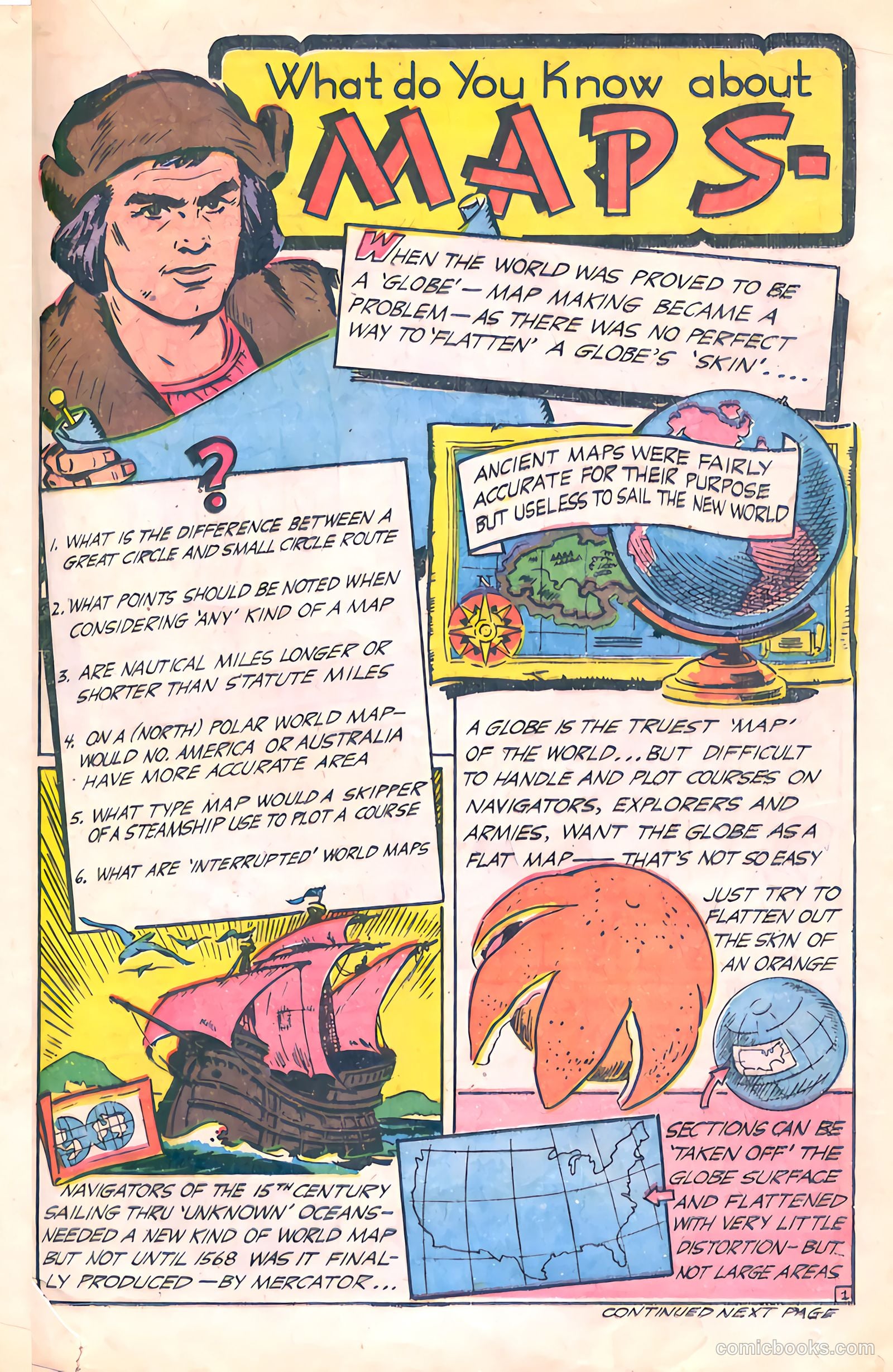
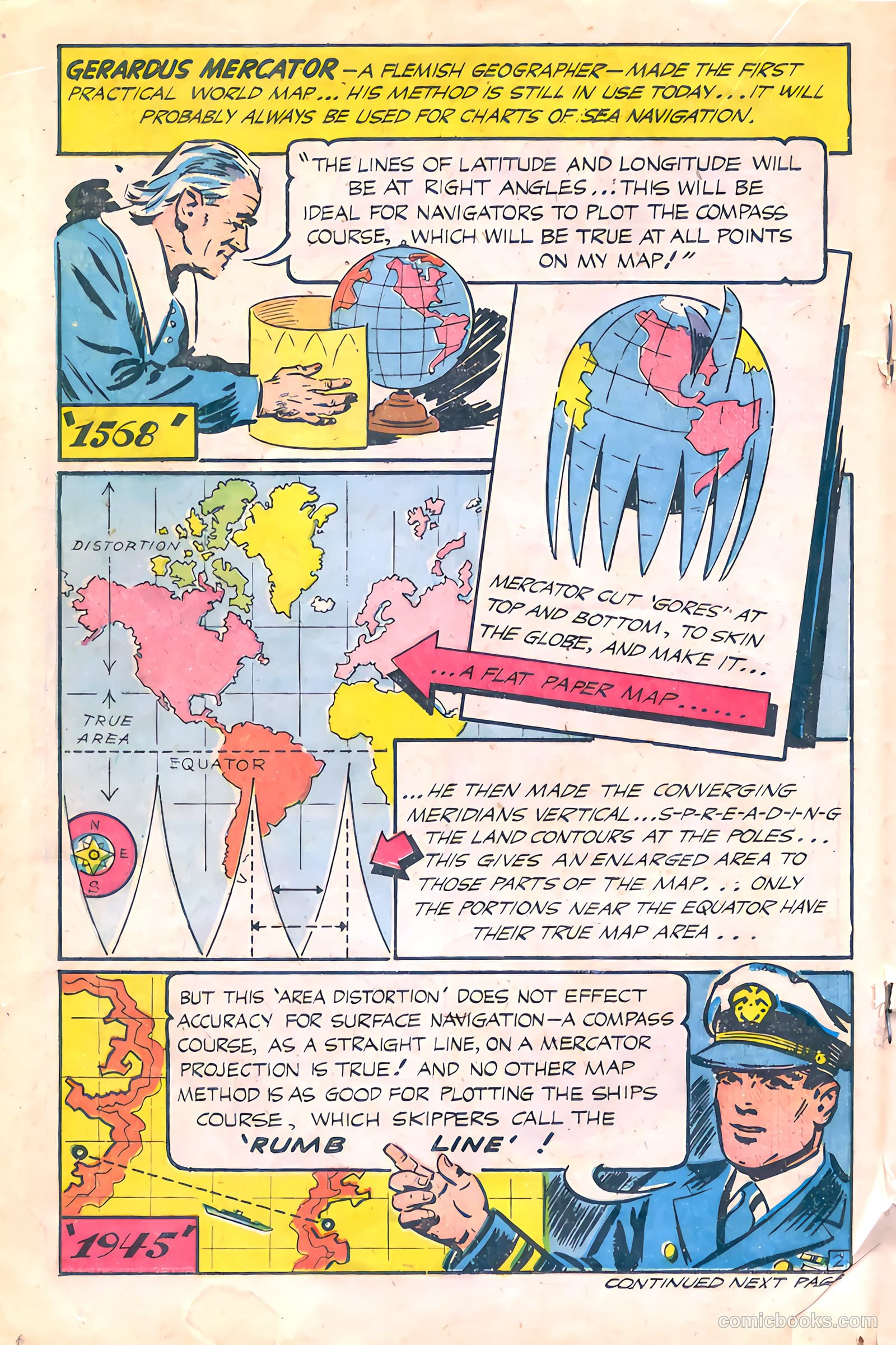
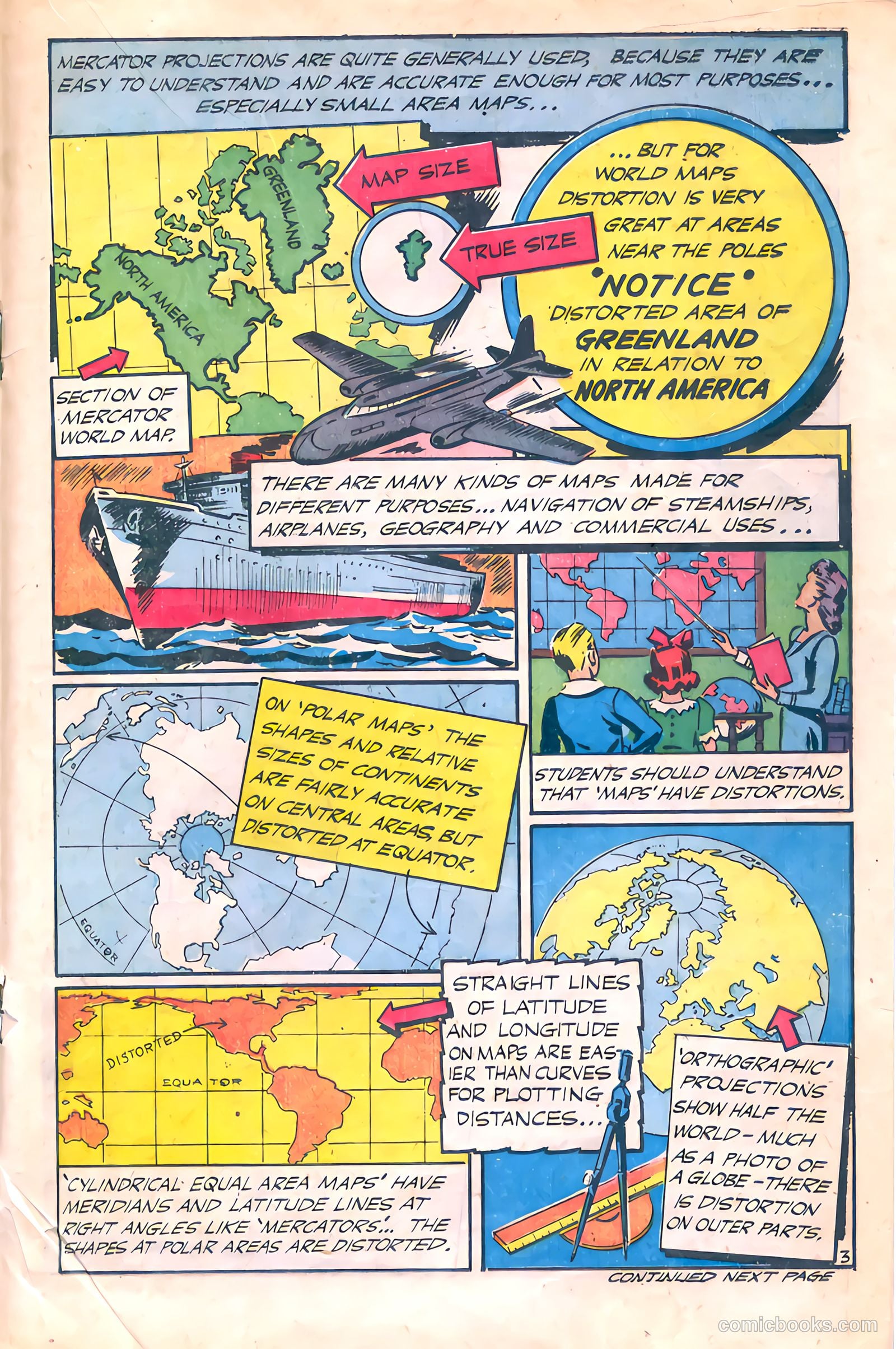
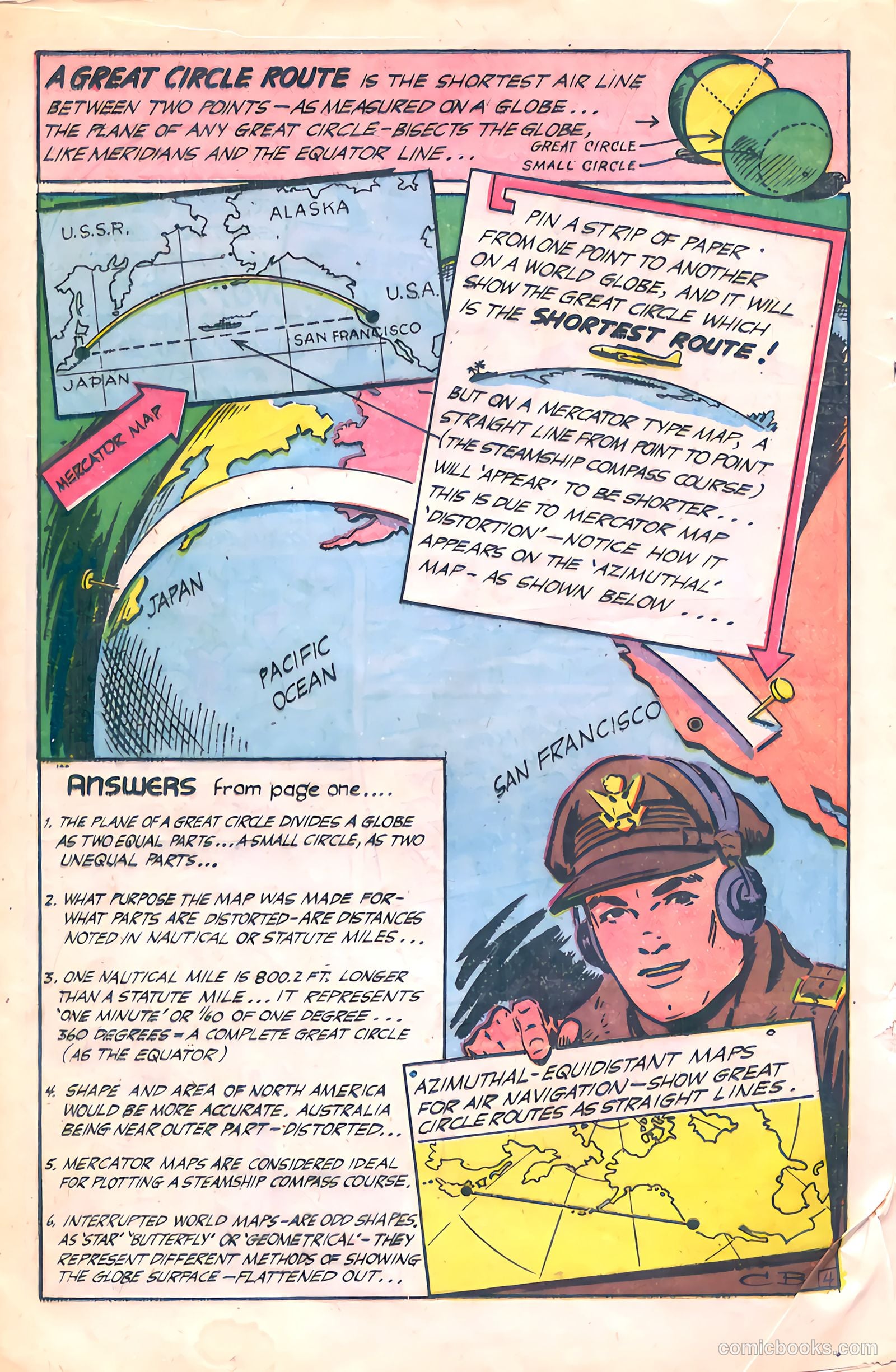
In a concise, educational feature from *Heroic Comics #32* (1945), the story explores the science and history behind map projections, explaining why no flat map can perfectly represent Earth’s curved surface. It delves into key concepts like Mercator projections, great circle routes, and the distortions inherent in different map types, emphasizing how each serves specific navigational needs.