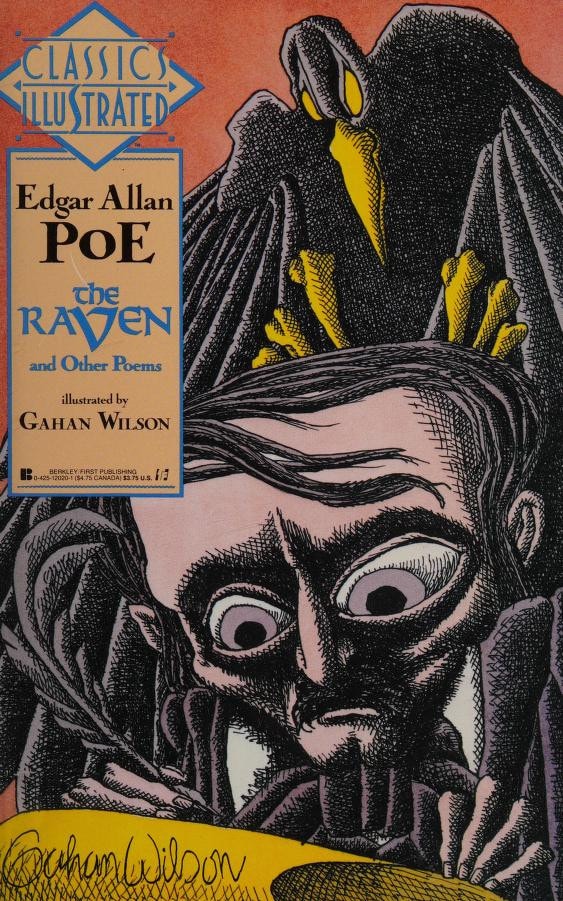
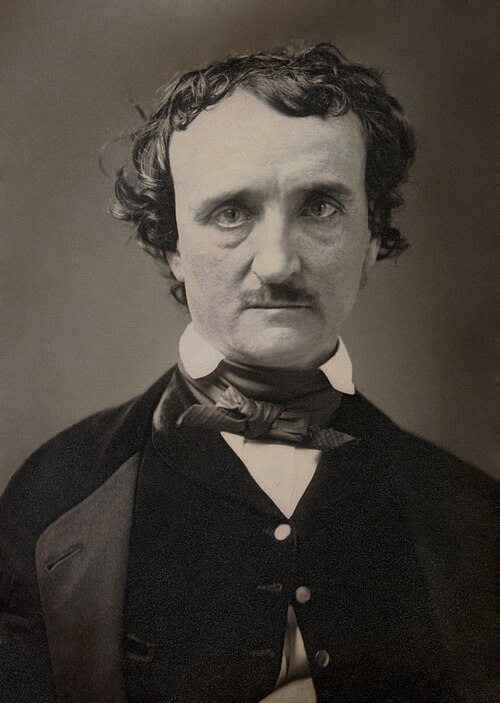
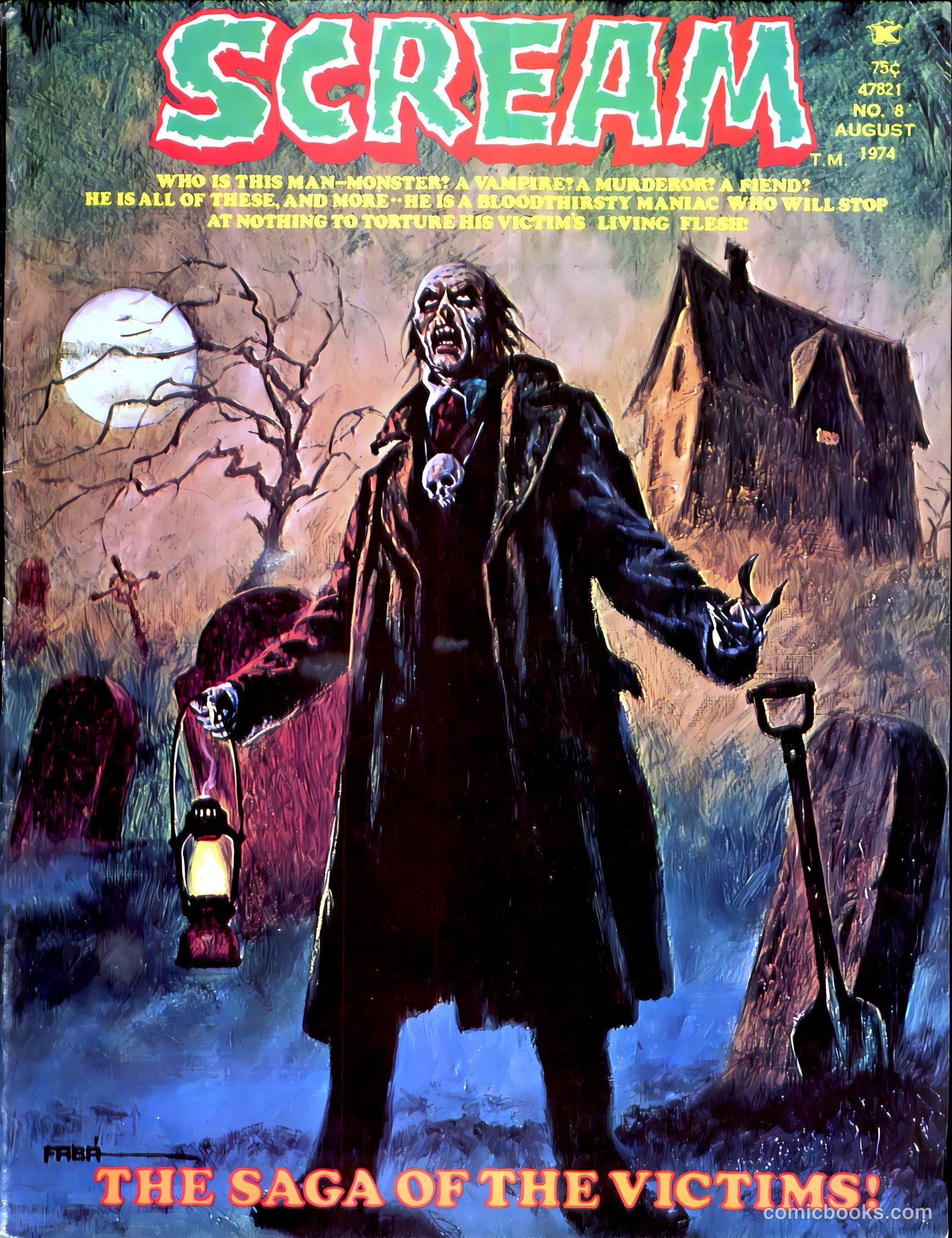
Edgar Allan Poe (born Edgar Poe; January 19, 1809 – October 7, 1849) is best known as a master of the macabre and a pioneer of detective fiction, though his influence extends deeply into science fiction and Gothic literature. Born in Boston to traveling actors, he was orphaned by age three and taken in by John and Frances Allan of Richmond, Virginia, though never formally adopted. After a strained relationship with his foster father, Poe left the University of Virginia due to gambling debts, enlisted in the Army under an assumed name, and published his first collection, *Tamerlane and Other Poems*, in 1827. He later failed as a West Point cadet and turned fully to writing, working for literary journals in Baltimore, Philadelphia, and New York City. His 1845 poem "The Raven" brought him sudden fame, but financial stability eluded him. He married his 13-year-old cousin Virginia Clemm in 1836; her death from tuberculosis in 1847 deepened his lifelong preoccupation with loss and mortality. Poe died in Baltimore at age 40 under mysterious circumstances, with the cause still debated. Though he never lived to see it, his stories—such as "The Tell-Tale Heart" and "The Fall of the House of Usher"—became foundational to horror and mystery, adapted widely in comics, including *Classics Illustrated* and *Creepy*. He received no major awards in his lifetime, but his posthumous recognition as a central figure in American Romanticism and Gothic fiction is unparalleled.


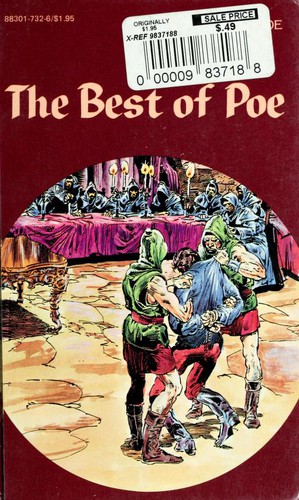
![The Best of Poe #[nn]](https://img.comicbooks.com/covers/openlibrary/0883012693.jpg)
![Edgar Allan Poe: The Fall of the House of Usher and Other Tales of Terror #[nn]](https://img.comicbooks.com/covers/isbndb/0874160138.jpg)