A complete issue · 52 pages · 1934
Life — June 1934
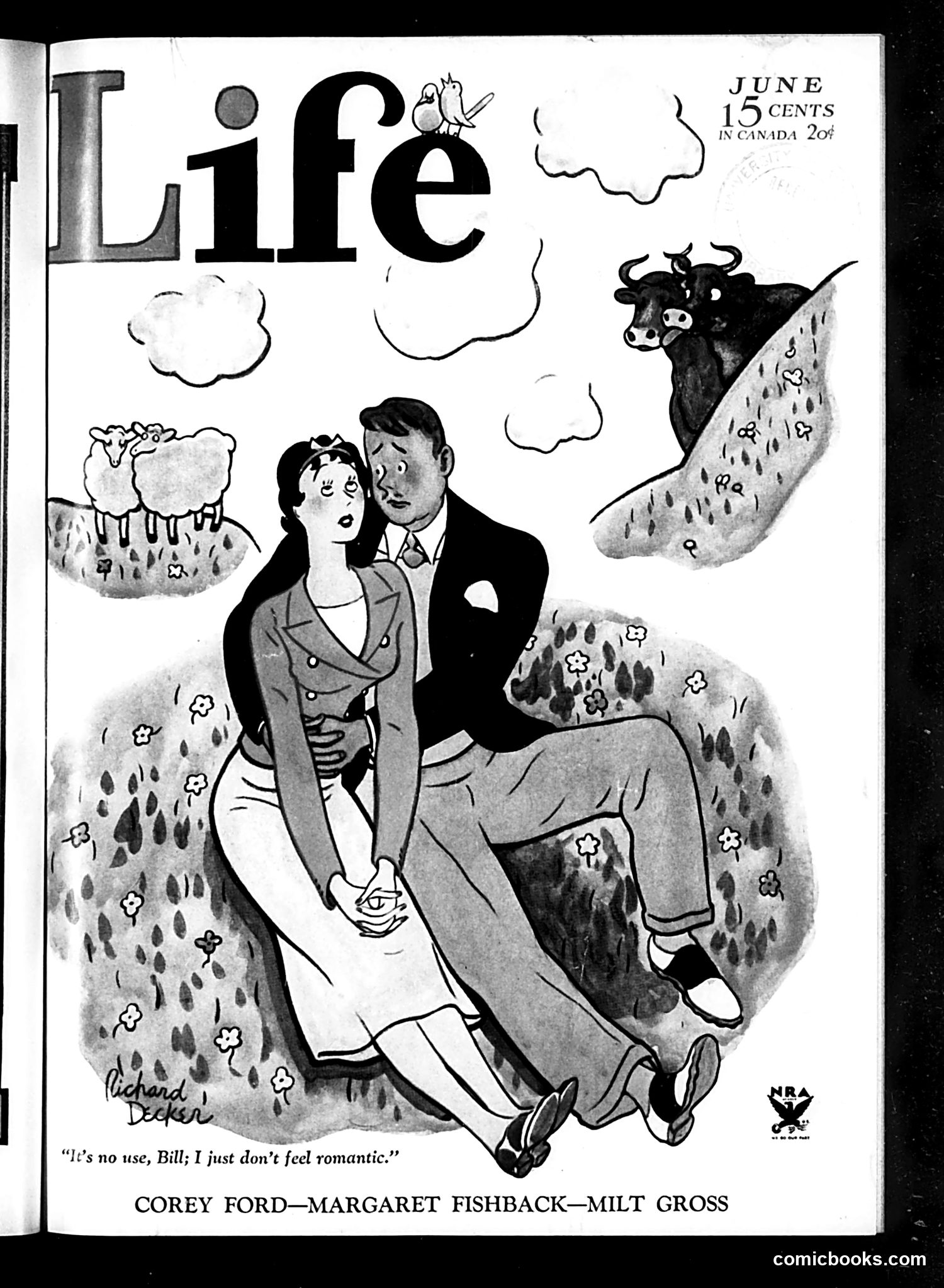
# Life Magazine June 1925 Cover Analysis This is a romantic comedy illustration by Richard Decker featuring actors Corey Ford, Margaret Fishback, and Milt Gross. The scene depicts a couple in a pastoral setting surrounded by sheep, flowers, and a bull—clearly referencing rural or rustic romance. The caption reads: "It's no use, Bill; I just don't feel romantic." The humor lies in the ironic contrast: the man has orchestrated an idyllic countryside setting meant to inspire romance, yet his companion remains unmoved. The pastoral backdrop with farm animals was traditionally associated with romantic sentimentality, making her rejection of the mood particularly comedic. This satirizes the gap between male romantic expectations and female desire—a common theme in 1920s-era humor about modern relationships.
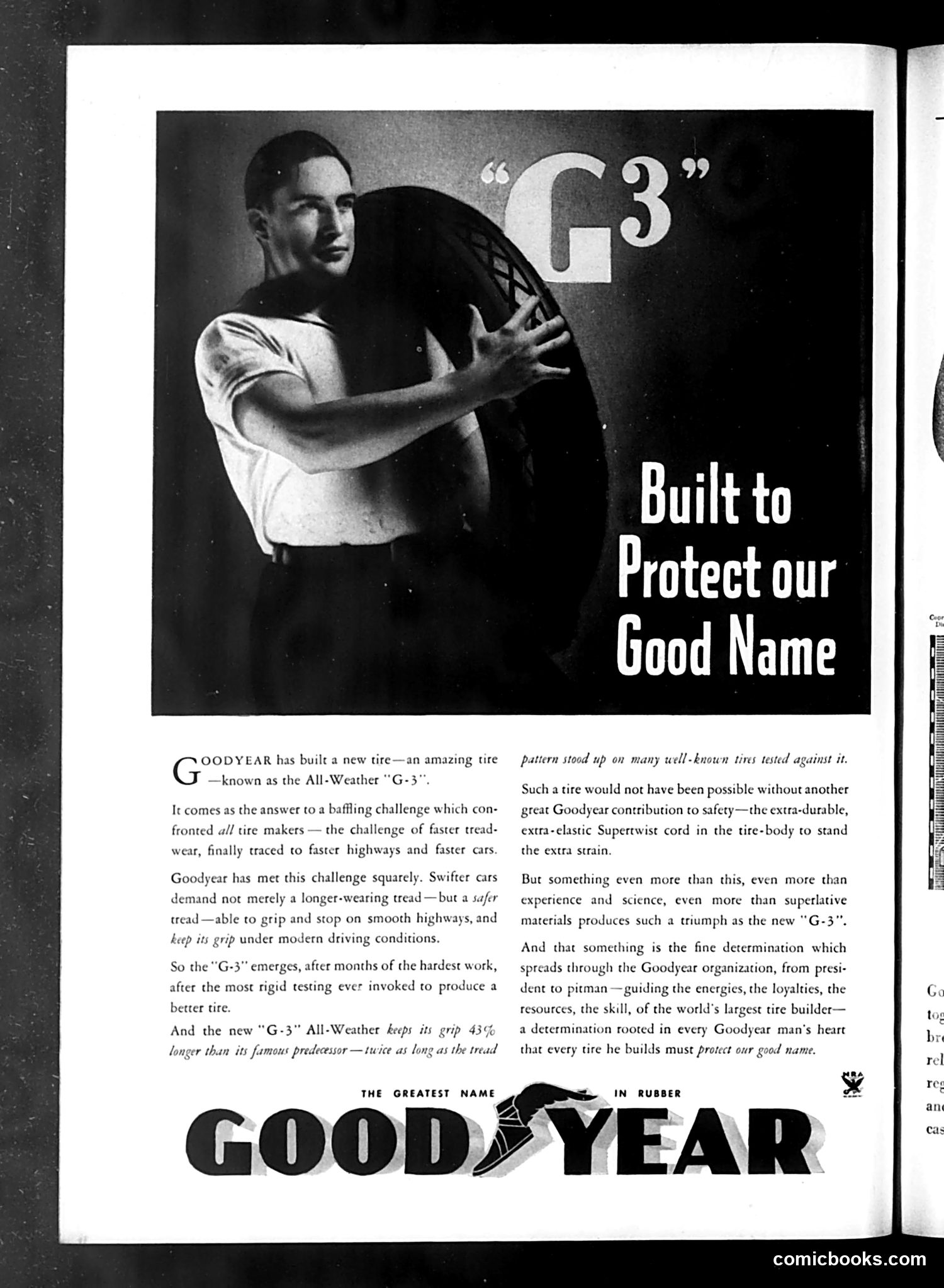
# Analysis This is a **Goodyear tire advertisement**, not political satire or editorial content. The page promotes the "G-3" All-Weather tire, using a photograph of a man holding a large tire to illustrate the product. The headline "Built to Protect our Good Name" is a corporate branding message—Goodyear claims rigorous testing and quality ensure their reputation. The advertisement emphasizes the tire's safety features, durability, and superior grip compared to predecessors, positioning it as essential for modern driving conditions. The tagline at bottom, "The Greatest Name in Rubber," reinforces brand identity. This is straightforward product marketing typical of mid-20th-century magazine advertising, with no political or social satire present.
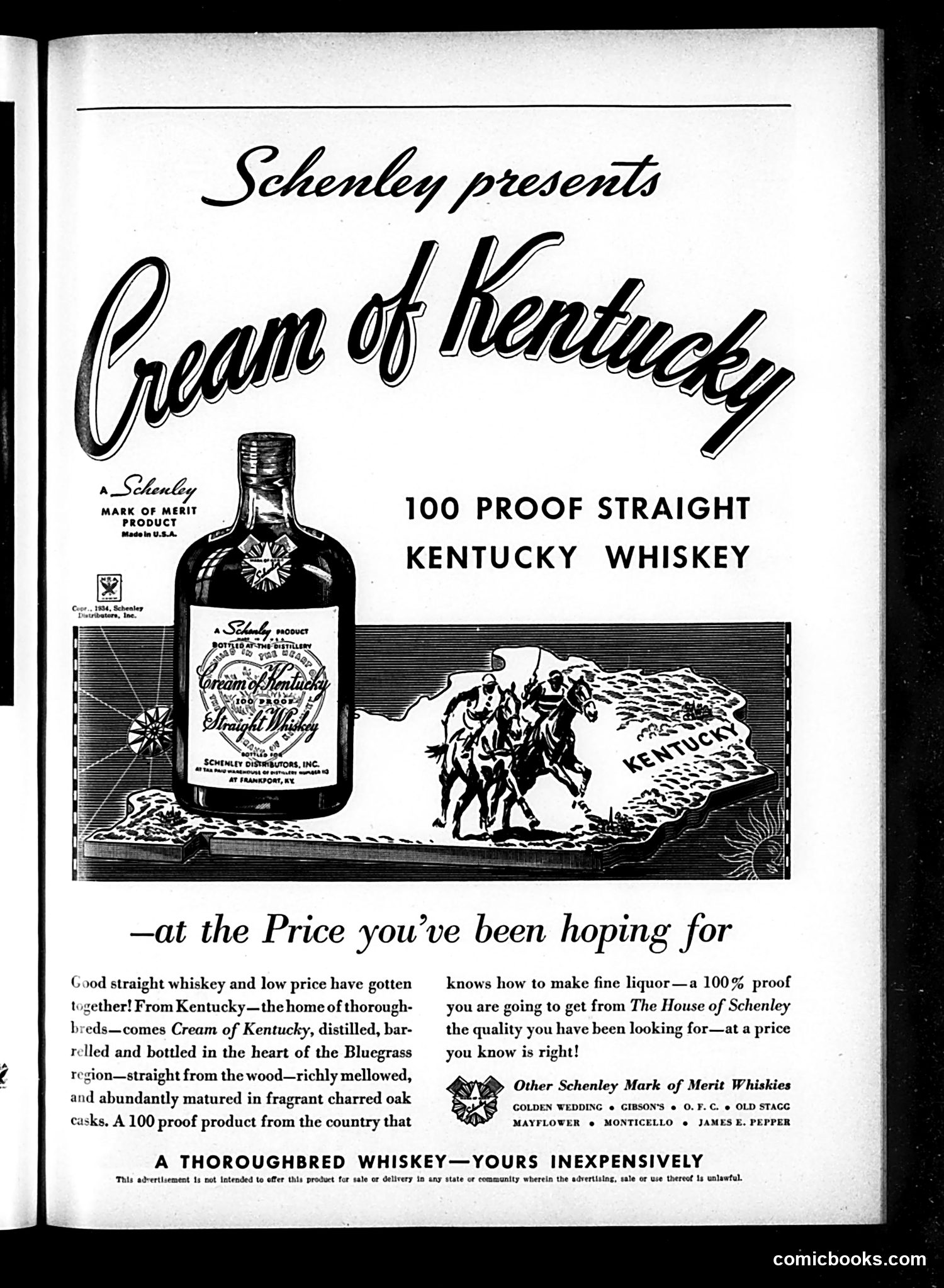
# Analysis This is a **whiskey advertisement**, not satirical content. It promotes Schenley's "Cream of Kentucky" brand—a 100-proof straight Kentucky whiskey. The ad uses romantic Americana imagery: horsemen on a Kentucky landscape, referencing the state's thoroughbred racing heritage. The copy emphasizes quality ("the country that knows how to make fine liquor") paired with affordability ("the price you've been hoping for"), a selling point likely significant during the Depression era when this ran. The "Mark of Merit" seal establishes brand credibility. Other Schenley whiskey varieties are listed at bottom. This is straightforward commercial advertising with period-appropriate imagery, not political or social satire.
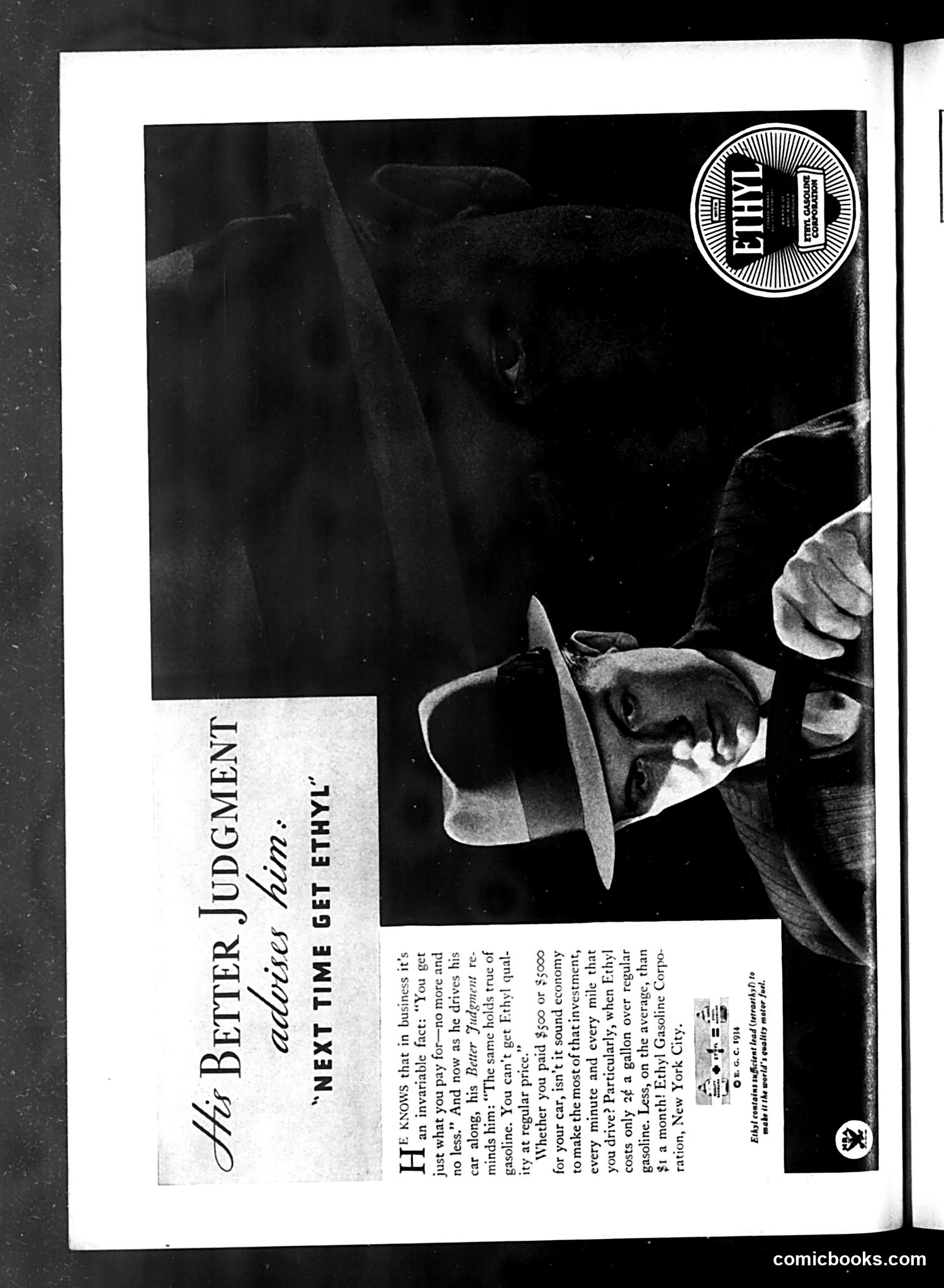
# Analysis This page is primarily **advertising**, not political satire. It features a product ad headlined "His Better Judgment" with the tagline "MEET THY!" (likely "MEET THYSELF" or similar, partially obscured). The advertisement shows a man in a hat examining his reflection, emphasizing a message about business decision-making. The accompanying text discusses knowing oneself in business contexts—appearing to promote self-awareness or honest self-assessment as valuable for success. The circular logo in the upper right and the corporate-style text suggest this is commercial advertising rather than editorial content or political commentary. Without clearer text or identifying marks, the specific product or company being promoted remains unclear.
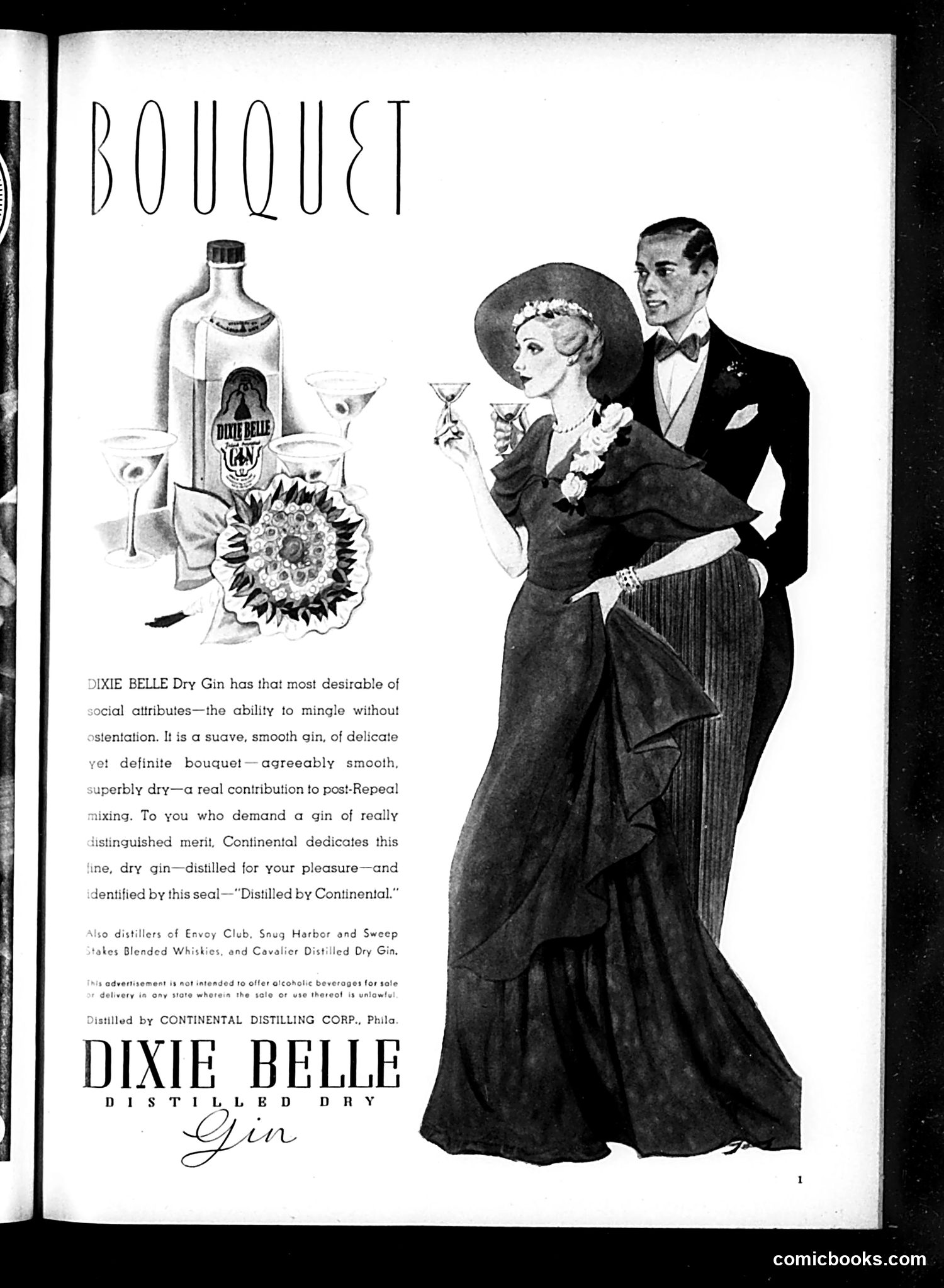
# Analysis This is a **Prohibition-era advertisement**, not a political cartoon. It promotes Dixie Belle Dry Gin, marketed as a sophisticated social beverage for the wealthy. The image depicts an elegantly dressed couple at what appears to be a formal event—the woman in an evening gown with flowers, the man in black tie. The ad emphasizes gin's "social attributes" and its ability to "mingle without ostentation," suggesting discreet, refined drinking among the upper classes. The reference to "post-Repeal mixing" indicates this was published after Prohibition's end (1933), when alcohol sales became legal again. The ad targets affluent consumers seeking "distinguished merit" and Continental sophistication, positioning gin as a marker of class and good taste during the Jazz Age's return to legality.
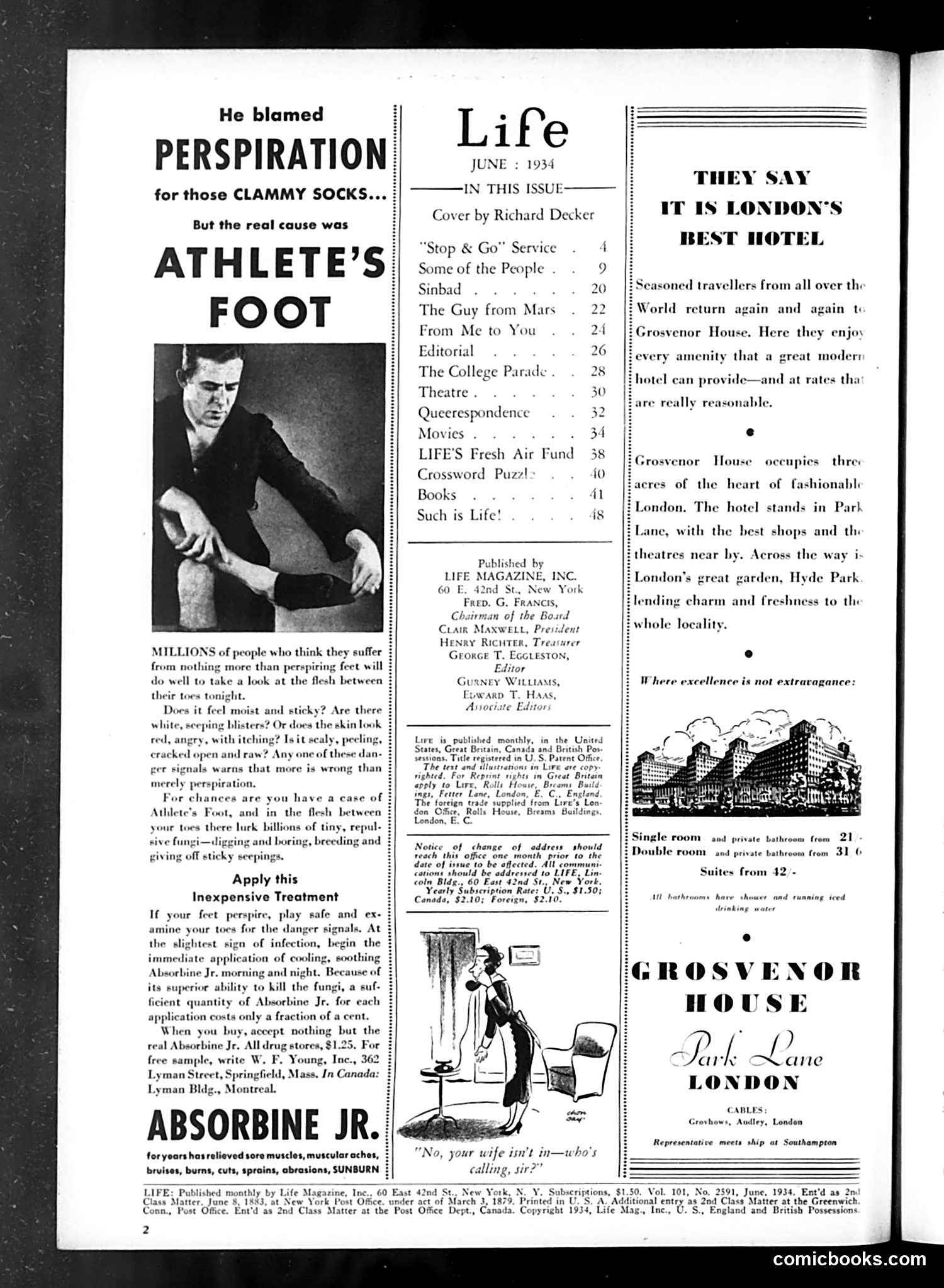
# Life Magazine, June 1934 — Content Analysis This page is primarily **advertisements and magazine content**, not political satire. The left side advertises "Absorbine Jr.," a medicinal liniment, using a humorous premise: a man blames his clammy socks for foot problems, but the "real cause" is athlete's foot. The ad employs self-deprecating comedy to sell the product as an "inexpensive treatment." The center shows the magazine's table of contents for the June 1934 issue. The right side advertises the **Grosvenor House hotel in London**, emphasizing its fashionable Park Lane location, reasonable rates, and modern amenities. This is straightforward commercial promotion. No political cartoons or satire appear on this page. It reflects 1934 consumer culture: medicinal products, travel advertising, and middle-class leisure aspirations.
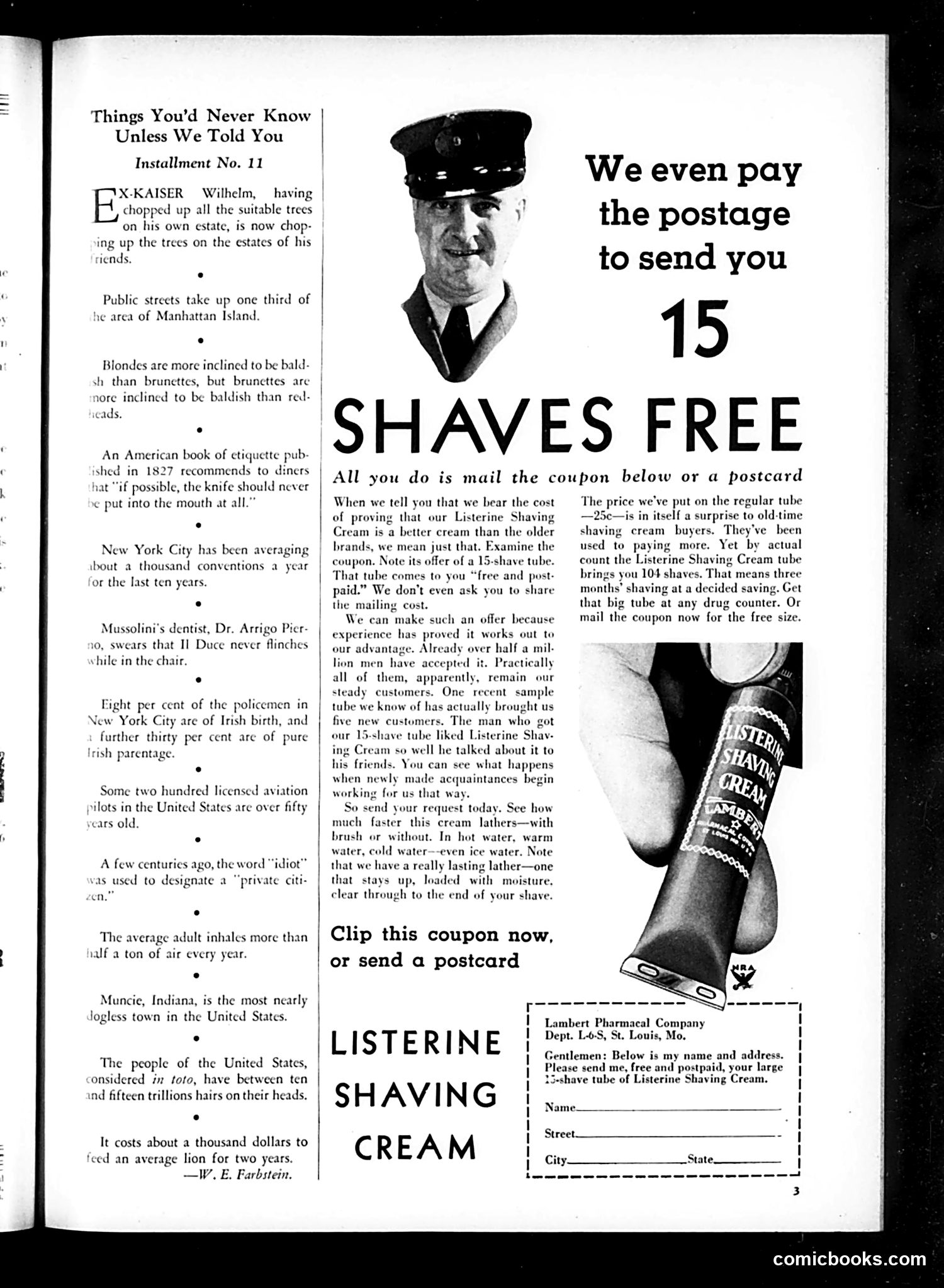
# Analysis This page is primarily a **Listerine Shaving Cream advertisement**, not political satire. The left column contains "Things You'd Never Know Unless We Told You"—miscellaneous trivia facts (about Kaiser Wilhelm, Manhattan streets, hair color statistics, etc.)—a common magazine filler feature. The right side is a full-page ad offering **15 free shaves** of Listerine Shaving Cream. The promotion claims the company will pay postage. It features a photograph of a man's face and an image of the product bottle applied to skin. The ad's appeal rests on the product's purported superiority: it lathers in various water temperatures and produces a lasting, moisturizing lather. The call-to-action invites readers to mail a coupon requesting the free sample. This is commercial advertising, not editorial content or political commentary.
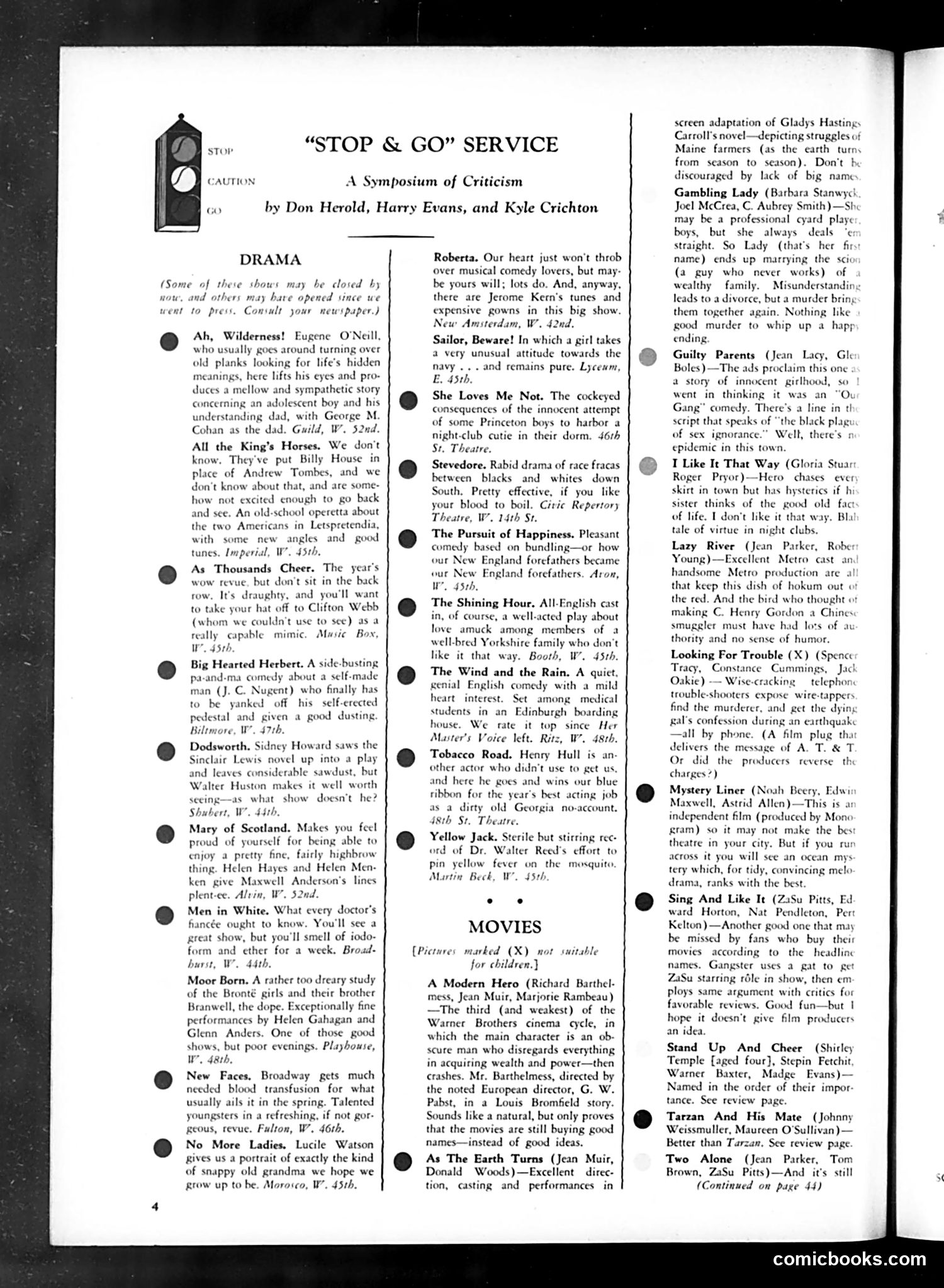
This page from *Life* magazine contains theater and film reviews rather than political cartoons. The header features a traffic light illustration labeled "STOP CAUTION GO," serving as the page's visual motif. The content is a "Symposium of Criticism" by three reviewers (Don Herold, Harry Evans, and Kyle Crichton) evaluating Broadway plays and movies. They assess productions like "Roberta," "Sailor, Beware!," and "She Loves Me Not" with brief, satirical commentary. The reviews use humor to critique theatrical quality and acting performances. For example, they mock overly sentimental plots and praise clever comedies. The "STOP & GO" framework suggests viewers should avoid some productions while seeking out others—a consumer guide for entertainment in Depression-era America.
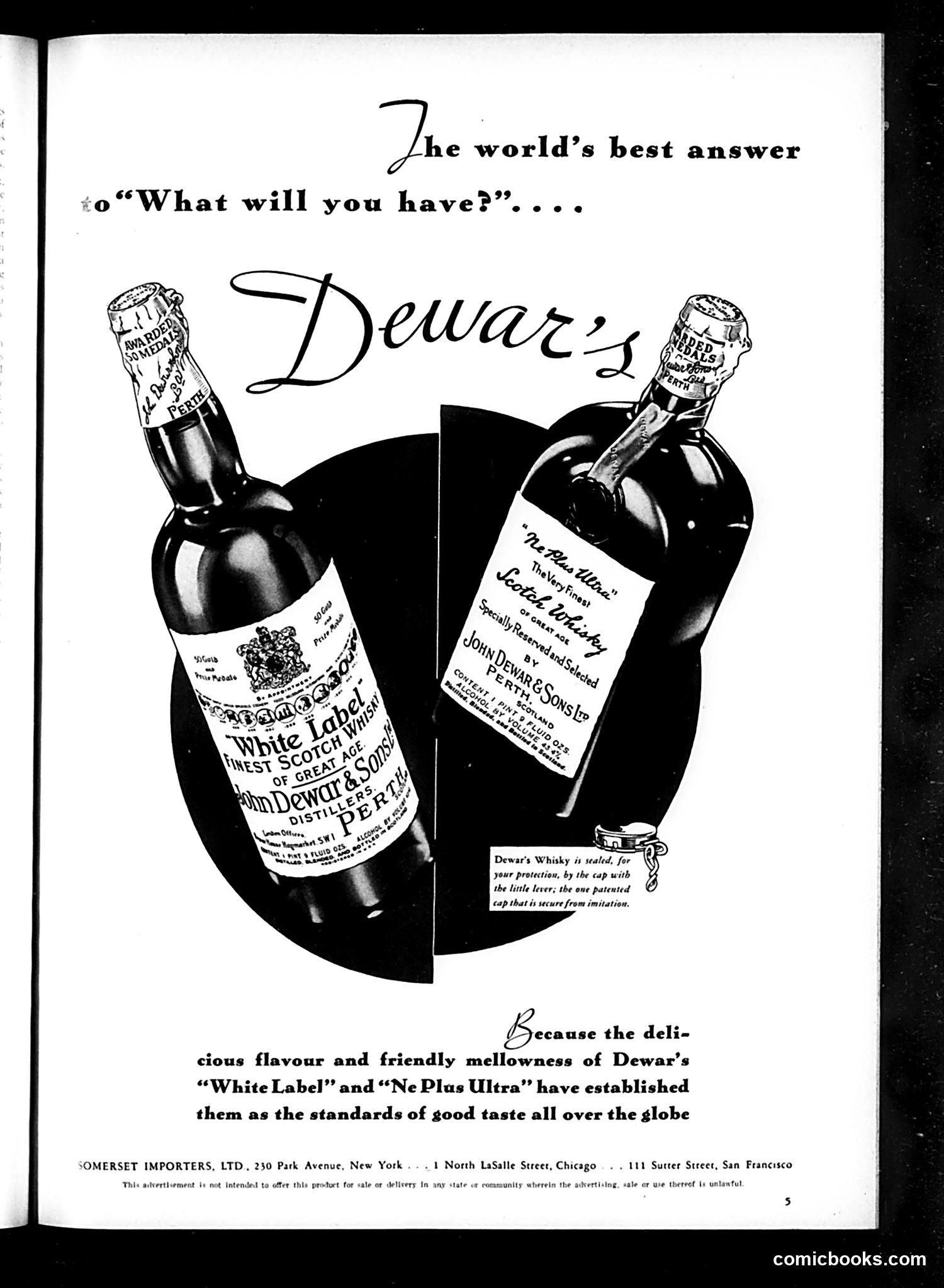
# Analysis This is a **Dewar's Scotch whisky advertisement**, not satire or political commentary. The page shows two bottles of Dewar's whisky positioned in a black circular design. The headline "The world's best answer to 'What will you have?'" frames the product as the ideal response when offered a drink. The advertisement emphasizes two variants: "White Label" and "Ne Plus Ultra," claiming their "delicious flavour and friendly mellowness" have "established them as the standards of good taste all over the globe." A small note mentions the bottle's patented cap "sealed for your protection...to secure from imitation." This is straightforward product advertising typical of mid-20th-century magazines, not editorial content with satirical intent.
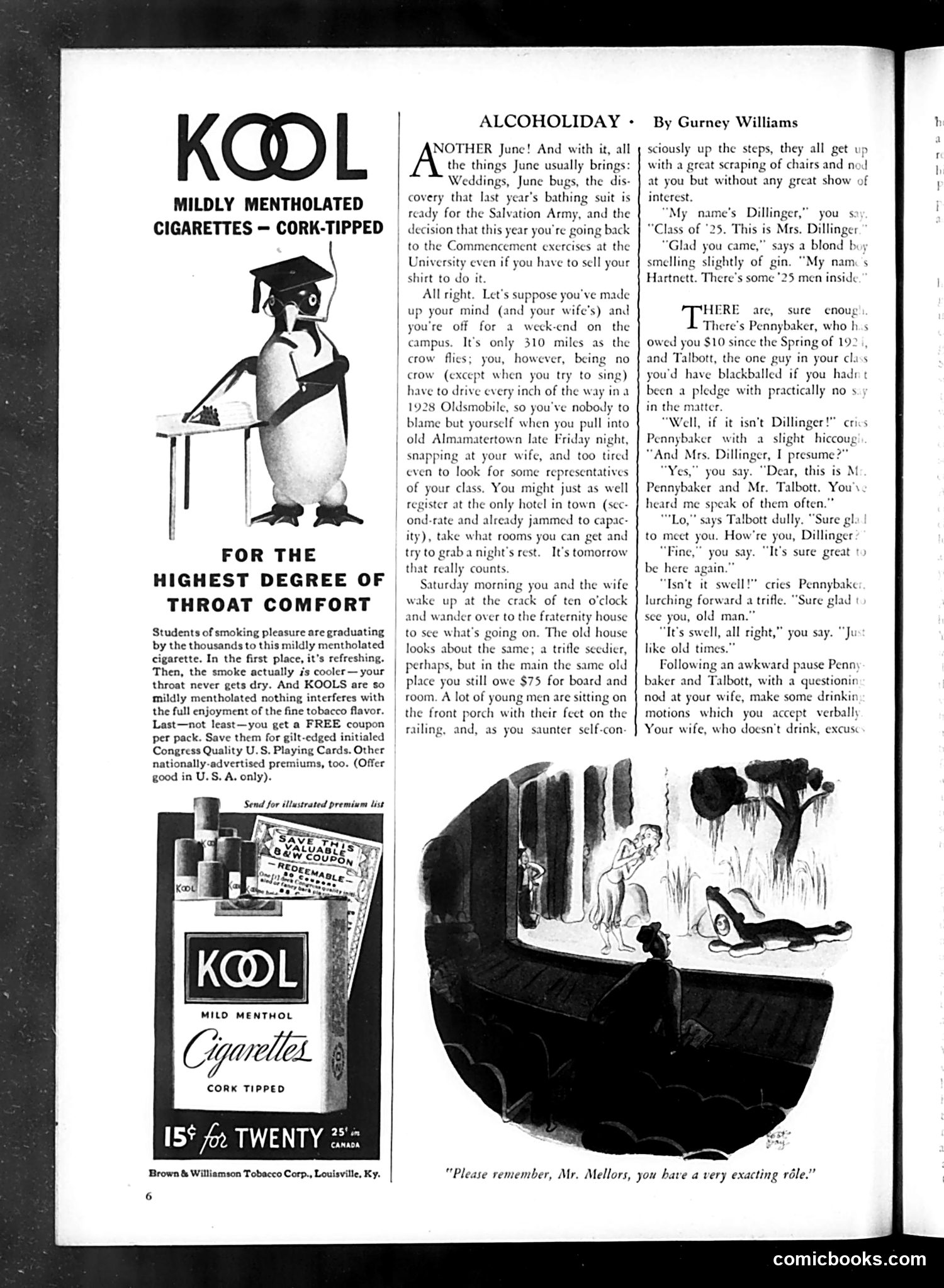
# "Alcoholiday" by Gurney Williams This page combines a Kool cigarette advertisement with a satirical story about a college reunion weekend. The story mocks the pretensions and financial anxieties of alumni returning to campus for commencement. The narrative follows a narrator confronting old classmates—particularly "Mrs. Dillinger" and Mr. Talbott—revealing uncomfortable truths: the narrator still owes $10 from 1923, and one character apparently has a questionable reputation ("practically no say in the matter"). The humor derives from the awkward social dynamics of reunion encounters, where nostalgic bonhomie masks unresolved tensions and debts. The cartoon illustration shows figures in what appears to be a theater or auditorium setting, supporting the campus reunion scenario. The advertisement occupies the left third, marketing menthol cigarettes as throat comfort.
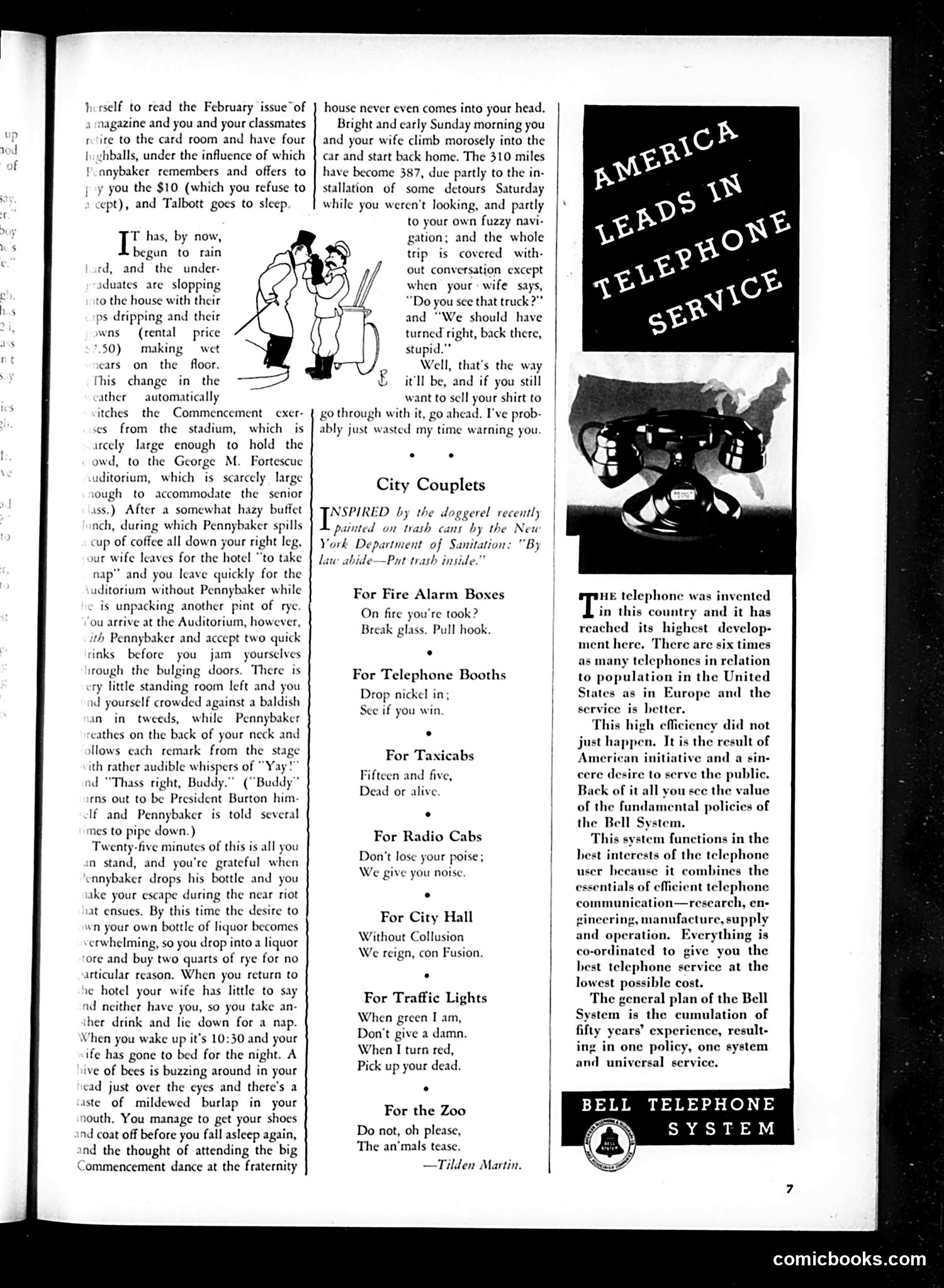
# Page Analysis: Life Magazine Satire This page combines humorous social commentary with advertising. The left column contains satirical vignettes about attending a college commencement, mocking the predictable tedium: arriving late, sitting through speeches, dealing with crowds, and waking hungover the next morning. The humor targets the ritualistic, overcrowded nature of these events. The center section, titled "City Couplets," offers rhyming instructions for urban life—fire alarms, telephone booths, taxicabs, radio cabs, city hall, traffic lights, and the zoo. These are playful, irreverent guides poking fun at city living and bureaucratic absurdity. The right side is a Bell Telephone System advertisement claiming America leads in telephone service quality, emphasizing efficiency and universal service. This contrasts sharply with the page's satirical tone, presenting corporate boosterism alongside social mockery.
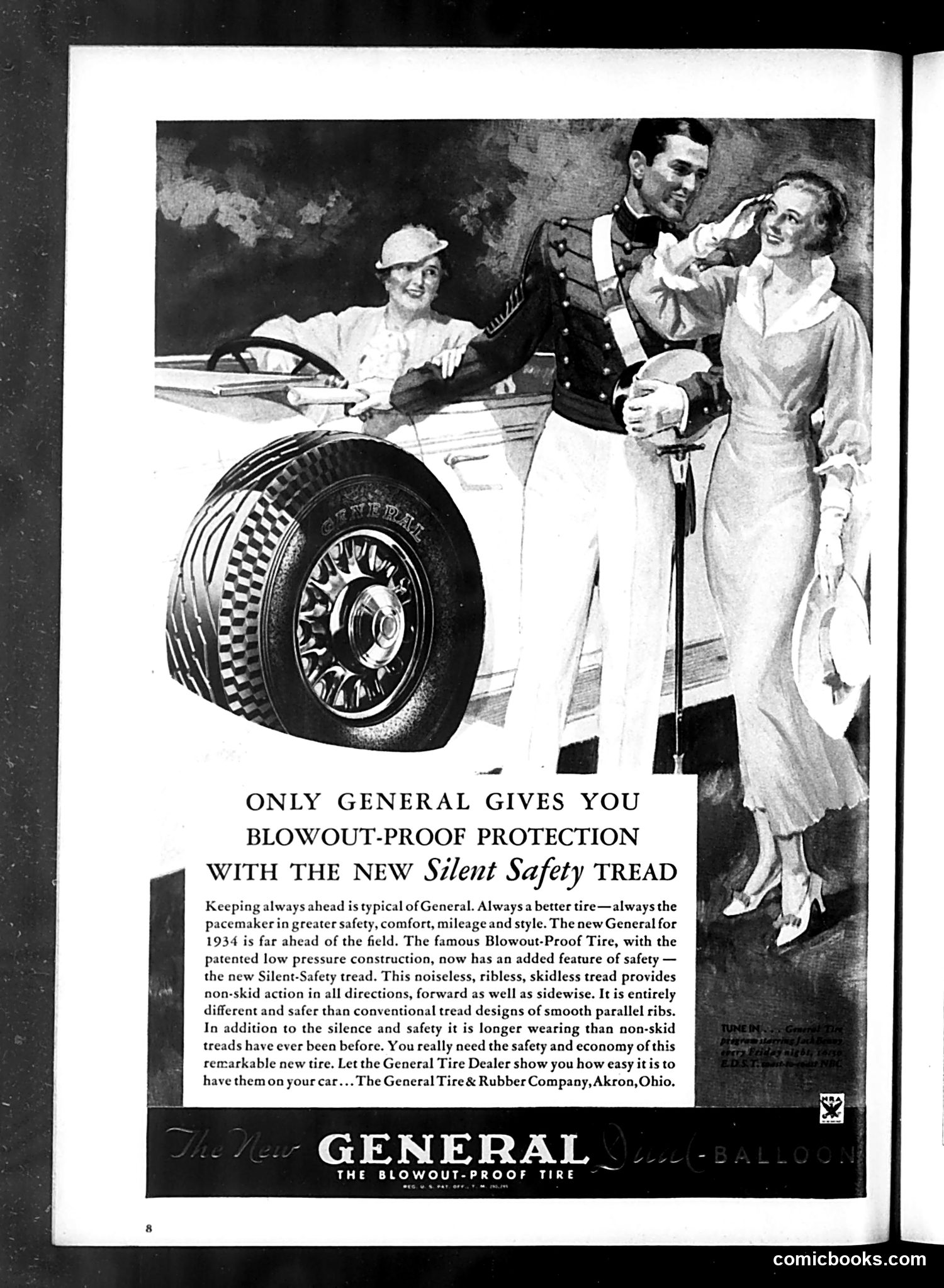
This is a General Tire advertisement, not political satire. The ad promotes General's new "Silent Safety Tread" for 1934 model cars, emphasizing blowout-proof protection. The image shows three figures—a woman in a light dress, a chauffeur or driver in uniform on the left, and a military or formal-dressed man in the center—posed beside a large tire displaying the tread pattern. The styling and composition suggest affluence and sophistication meant to appeal to upscale consumers. The advertisement's main selling point is safety innovation: the new tread design provides "non-skid action in all directions" and claims superior durability compared to conventional parallel-rib designs. The General Tire & Rubber Company, based in Akron, Ohio, positions their product as the industry pacemaker for "safety, comfort, mileage and style."