A complete issue · 36 pages · 1931
Life — March 27, 1931
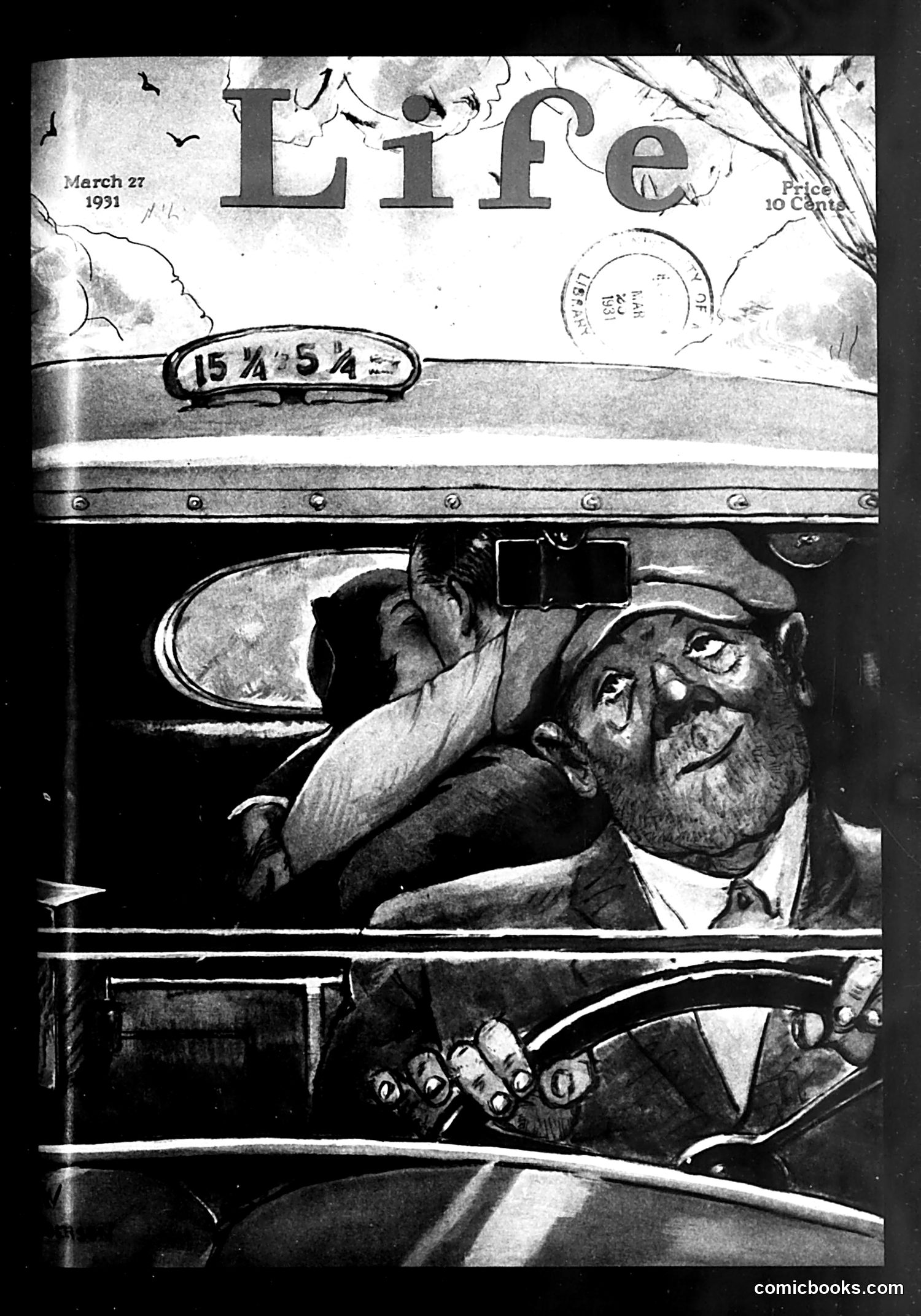
# Life Magazine, March 27, 1931 This appears to be a **satirical cartoon about reckless driving or automobile safety**. The cover shows a speedometer reading "15¼ 5¼ 5" and depicts a man at a car's steering wheel with an exaggerated, wild facial expression suggesting panic or loss of control. Another figure appears in the background. The satire likely comments on **dangerous driving habits during the early automobile era**, when speeding and reckless motorists were social concerns. The distorted face and theatrical expression mock drivers who ignored safety, presenting the consequences as absurdly comedic. The speedometer's unusual reading may emphasize erratic, unpredictable driving behavior. This reflects 1931 anxieties about automobile safety and irresponsible operators on America's roads.
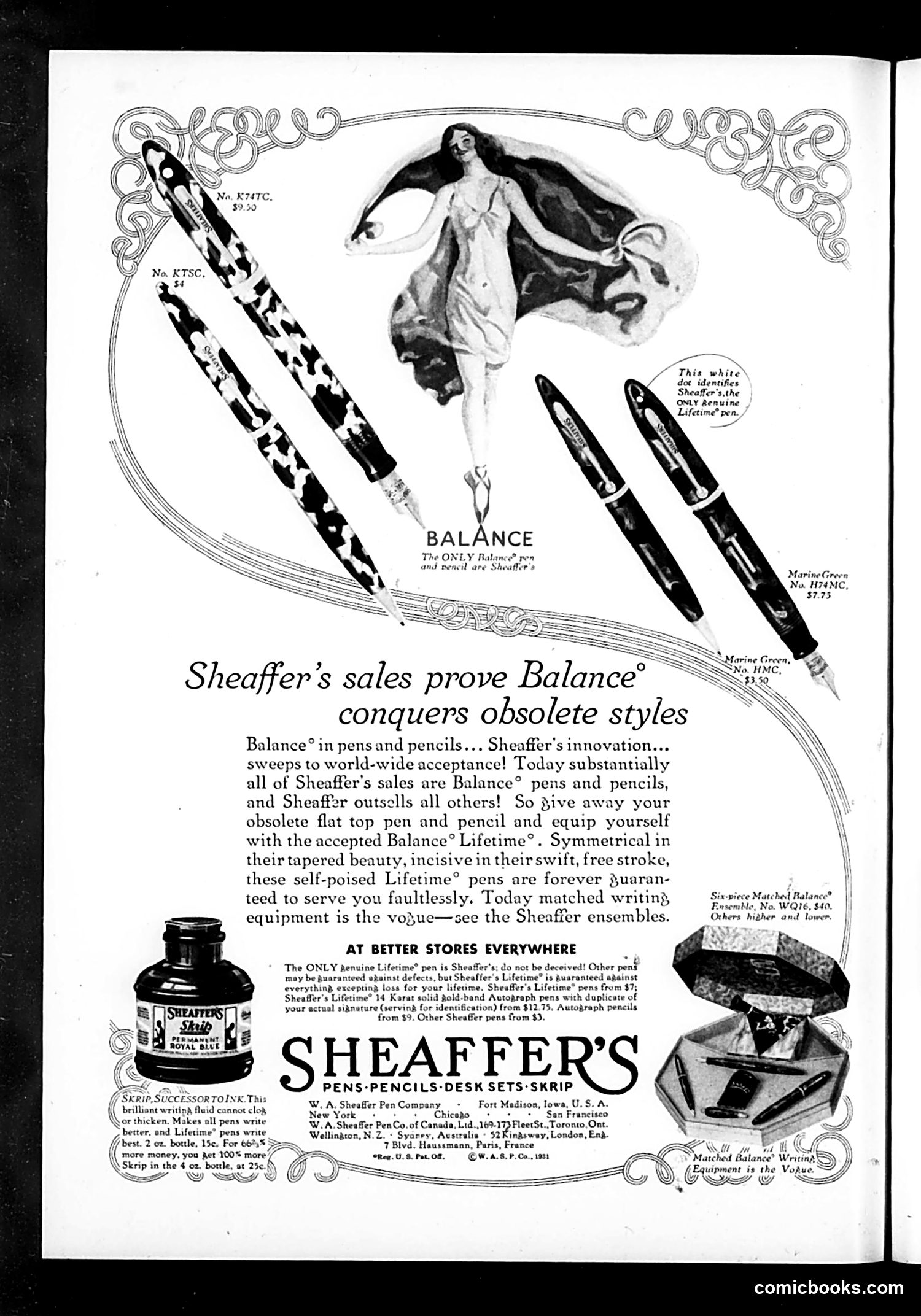
# Sheaffer's Balance Pen Advertisement This is a **commercial advertisement**, not political satire. It promotes Sheaffer's "Balance" fountain pens and pencils, claiming they have made older "flat top" writing instruments obsolete. The central image shows a stylized woman in classical dress, symbolizing elegance and modernity. The advertisement emphasizes the pens' "symmetrical tapered beauty" and "self-poised" design, positioning them as the accepted standard in writing equipment. The text claims that "substantially all of Sheaffer's sales are Balance pens and pencils," suggesting market dominance. The ad targets middle-class consumers by promoting matched writing sets as status symbols and practical investments. This reflects 1920s-30s marketing strategies emphasizing innovation, style, and lifestyle aspiration tied to consumer goods.
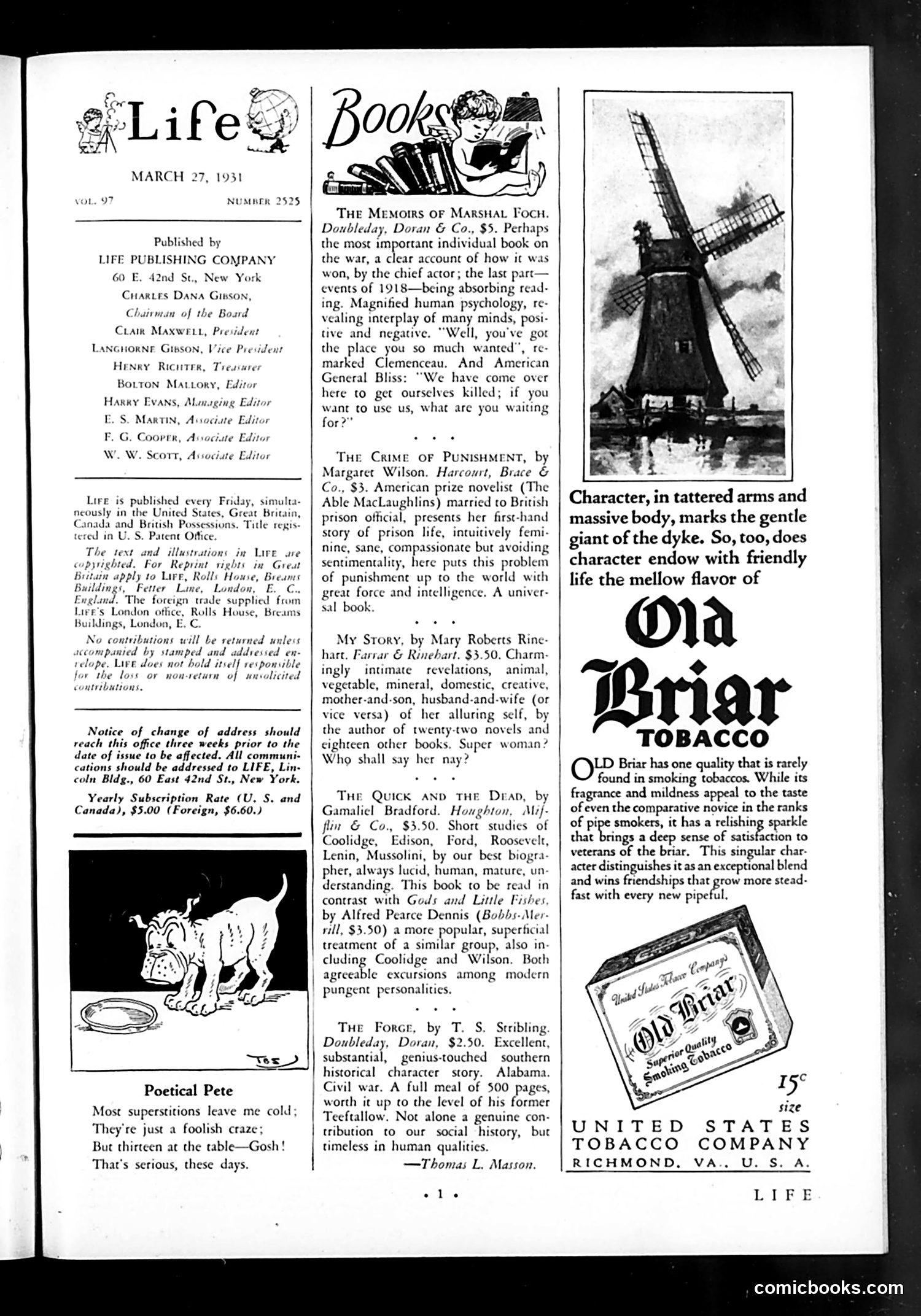
# "Poetical Pete" Cartoon Analysis This small cartoon shows a dog next to an empty plate, illustrating a humorous poem about superstitions. The text reads: "Most superstitions leave the cold; They're just a foolish craze; But thirteen at the table—Gosh! That's serious, these days." The joke satirizes selective superstition—people who dismiss most superstitions as nonsense but remain genuinely anxious about the unlucky number 13 at dinner. The dog's empty plate may suggest that Pete (presumably the owner) has dismissed superstitions generally, yet still worries about this particular one. It's gentle social satire about human irrationality and how even skeptical people maintain certain folk beliefs, particularly surrounding dining customs and bad luck.
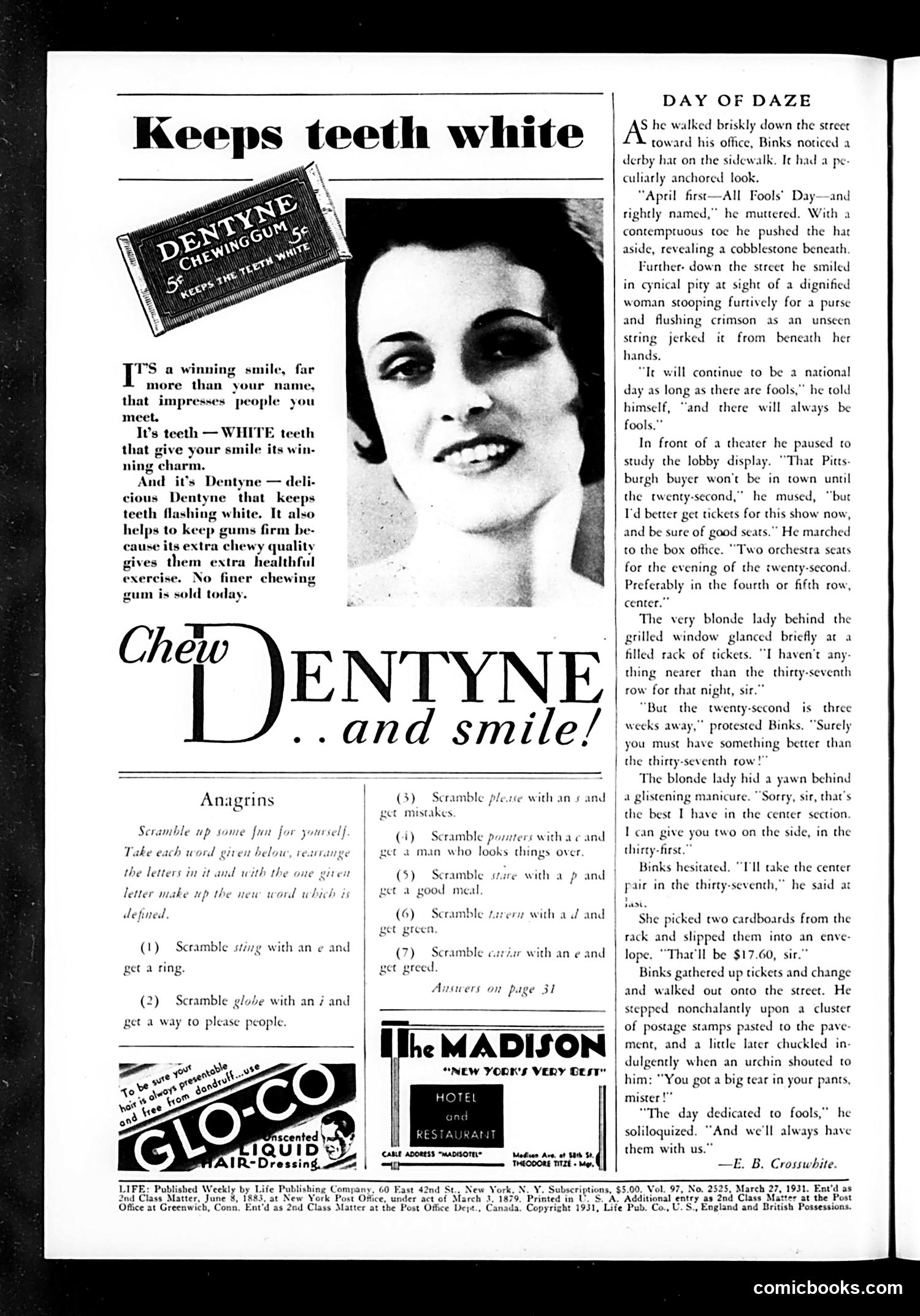
# Content Analysis This page is primarily **advertising and entertainment content** rather than political satire. The main feature is a **Dentyne chewing gum advertisement** showing a woman's face with copy emphasizing that the product keeps teeth white and helps maintain firm gums. The ad uses the slogan "Chew Dentyne...and smile!" The right side contains **"Day of Daze,"** a short humorous story by E.B. Crosswhite about a man named Binks encountering April Fools' Day pranks—a stolen hat, a dignified woman being pranked, confusion about theater tickets. The narrative plays on the chaos of April 1st foolishness. Below are word-scramble puzzles ("Anagrins") and advertisements for Gloco hair dressing and the Madison Hotel. The content reflects 1931 leisure reading: product promotion mixed with light humor and puzzles.
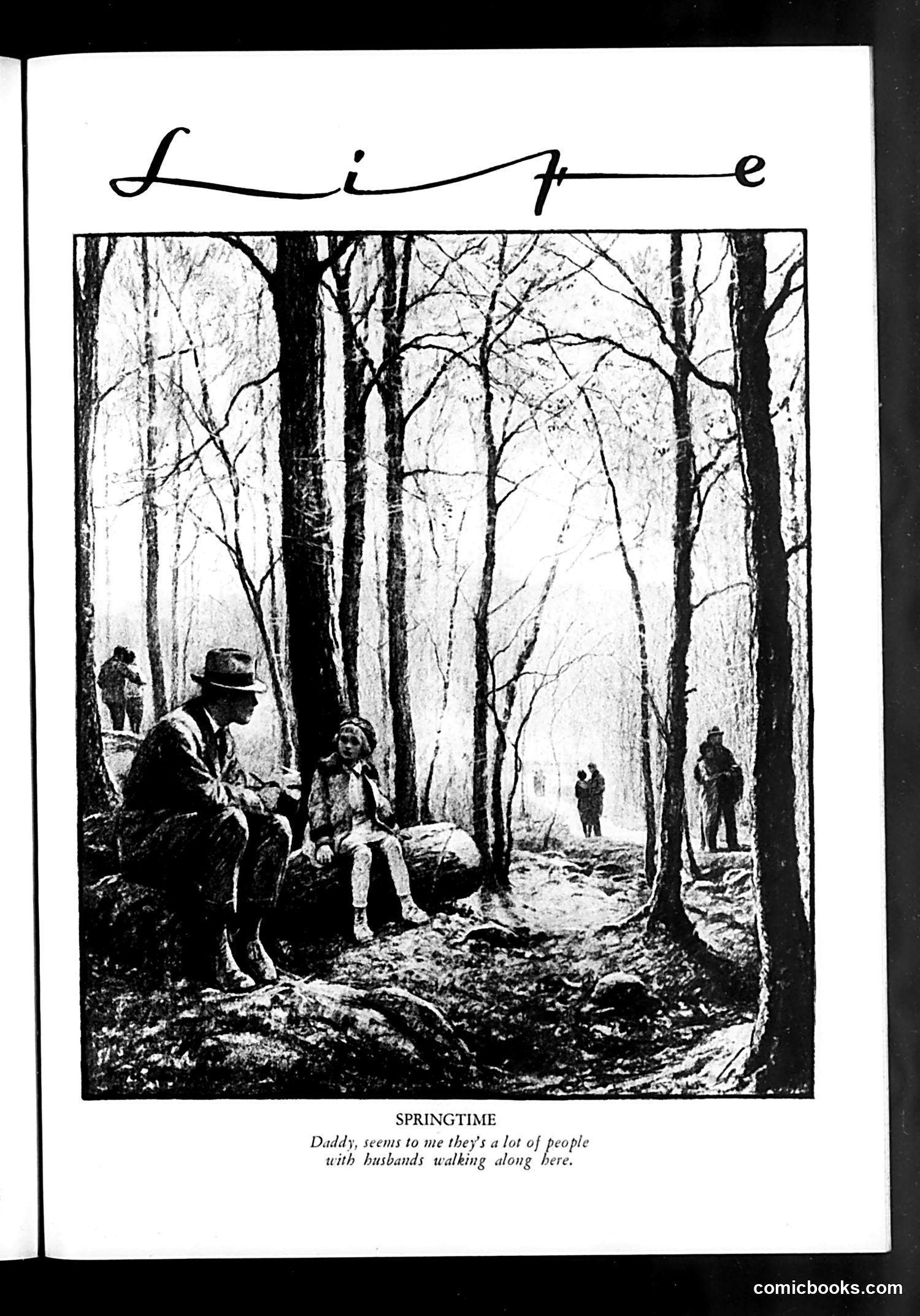
# Analysis of "Springtime" Page This page from *Life* magazine presents a satirical illustration titled "Springtime." The image shows a man and child sitting on a log in a bare forest, with other figures visible in the distance along a path. The caption reads: "Daddy, seems to me they's a lot of people with husbands walking along here." The satire targets the prevalence of married women walking with men who are not their husbands—a commentary on infidelity or extramarital affairs. The child's innocent observation highlights the social scandal humorously. The springtime setting suggests renewal and outdoor leisure, a context where such encounters might occur. This reflects early 20th-century anxieties about moral behavior and changing social dynamics, using a child's blunt honesty to expose adult hypocrisy.
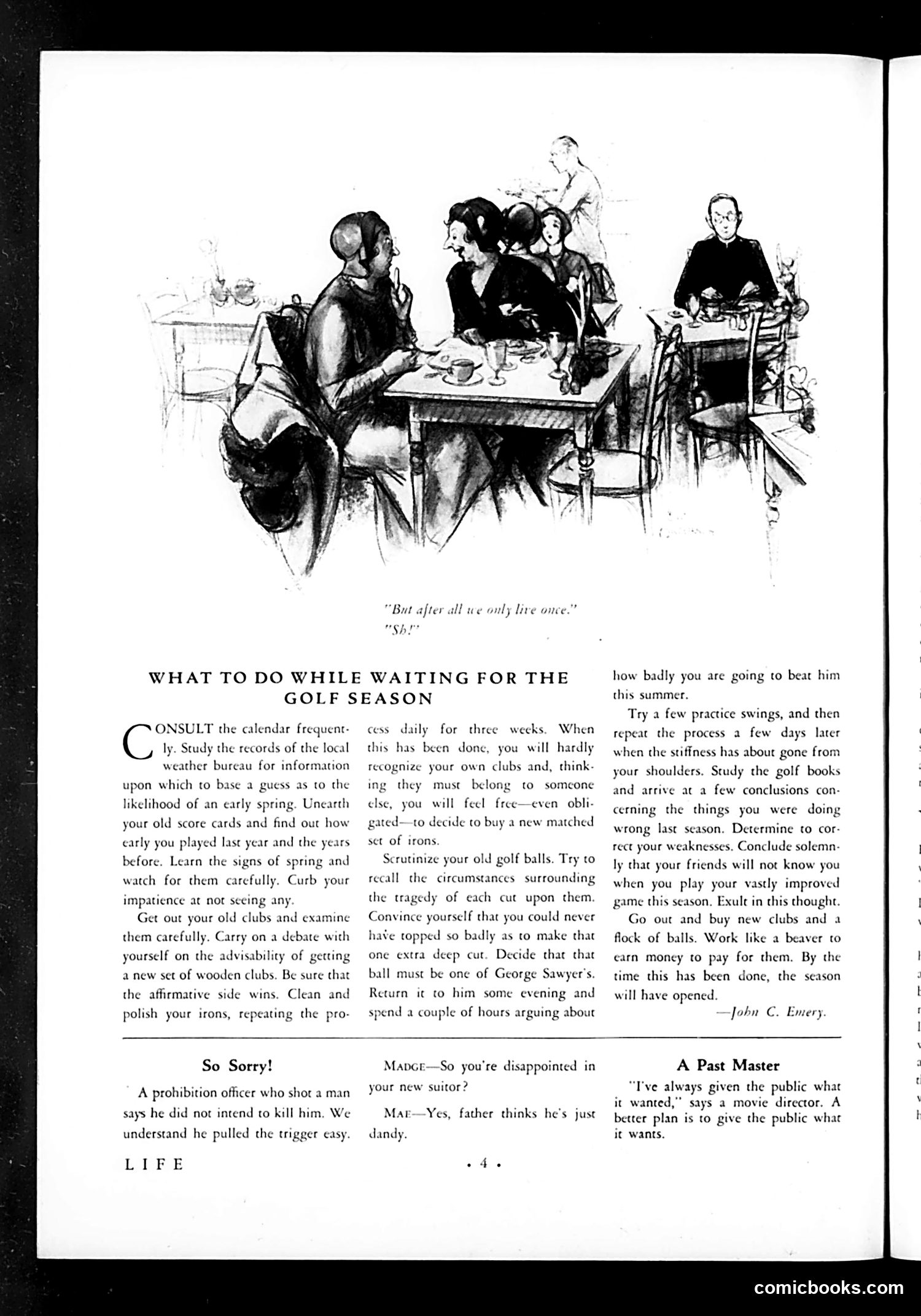
# Analysis of Life Magazine Page The main cartoon depicts a social scene with a woman speaking to a man at what appears to be a dinner or social gathering. The caption reads: "But after all we only live once." / "Sh!" This appears to be a joke about discretion and propriety in social settings. The woman's comment about living only once suggests she's advocating for living freely or taking risks, while the man's "Sh!" indicates he's warning her to be quiet—implying her sentiments are socially inappropriate or scandalous to express openly. The article "What to Do While Waiting for the Golf Season" provides humorous advice for off-season golf enthusiasts, suggesting activities like examining old clubs and practicing swings. The page also includes brief humor items like "So Sorry!" and "A Past Master," typical of Life's satirical content format.
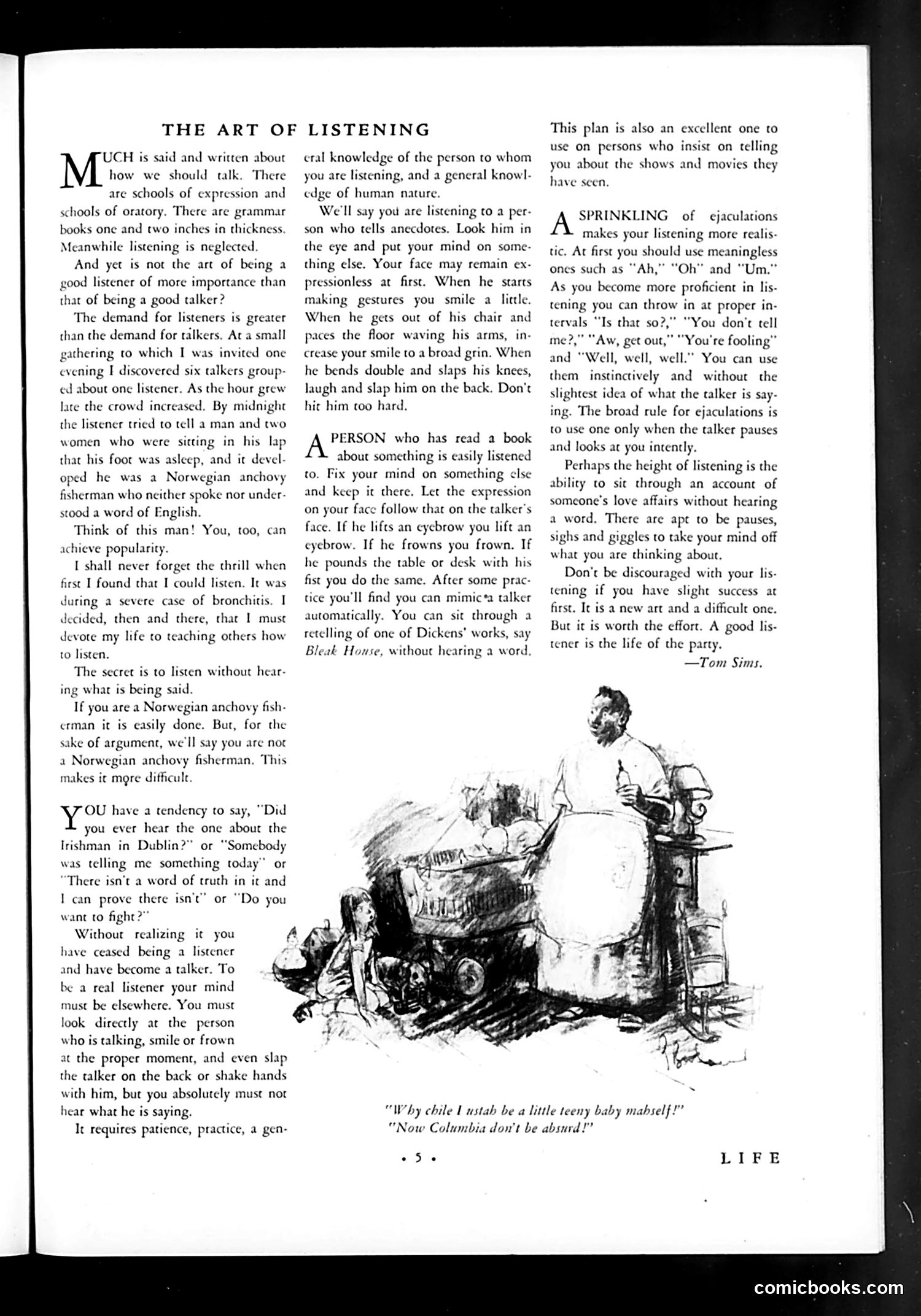
# "The Art of Listening" - Life Magazine Page This page satirizes poor listening habits through Tom Sims's article and accompanying sketch. The cartoon depicts a scene where someone is clearly **not listening**—a figure appears distracted or disengaged while another person attempts to speak. The article argues that good listening is rarer and more valuable than good talking. It humorously notes that people interrupt, contradict speakers, or mentally drift away rather than genuinely absorb what's being said. The author uses the example of a Norwegian anchovy fisherman to illustrate how difficult true listening is for most people. The accompanying illustration appears to show a domestic or social scene emphasizing this disconnect between speaker and listener—capturing the satirical point that attentive listening remains an underappreciated skill.
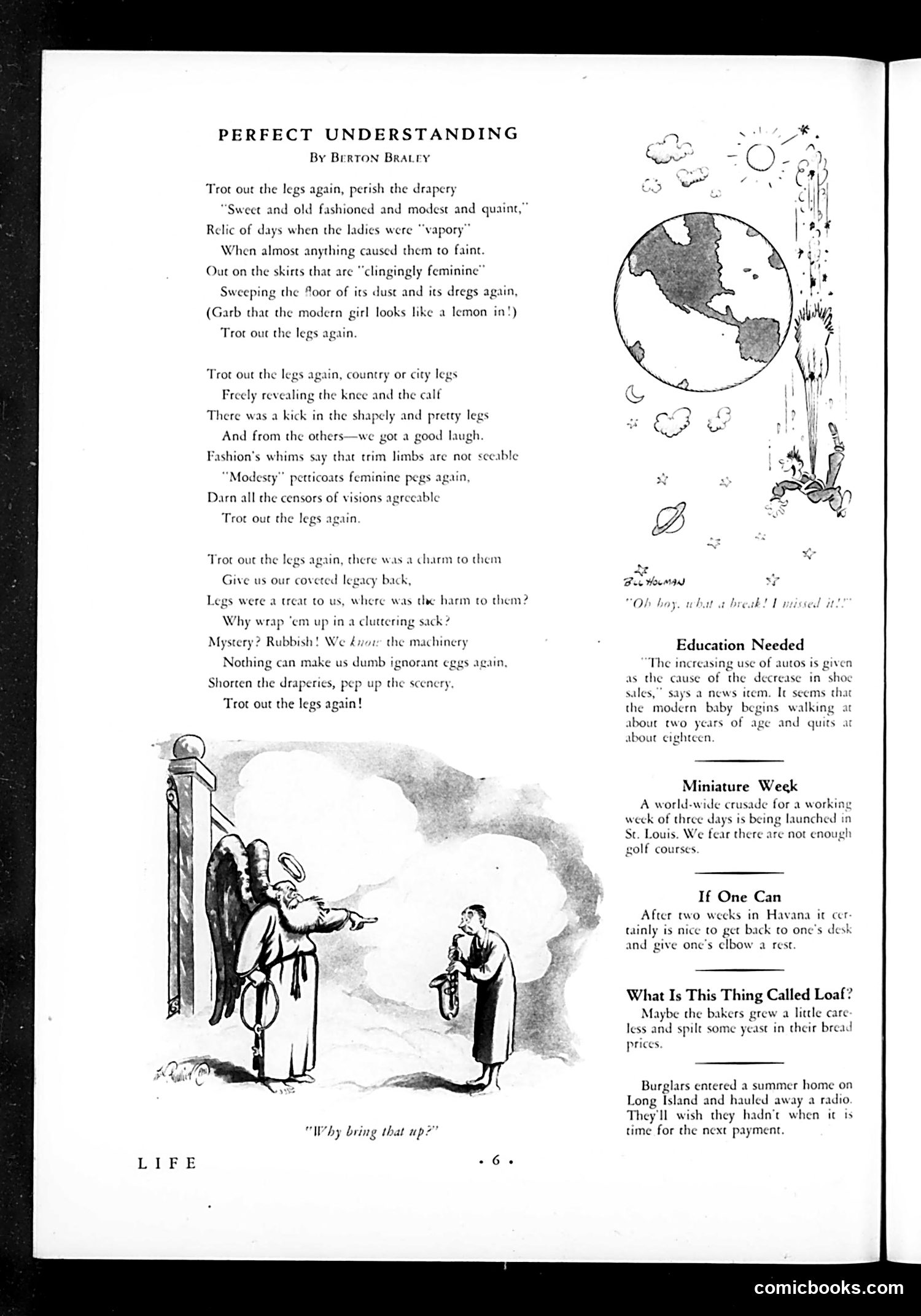
# Analysis of "Perfect Understanding" by Burton Bradley This page satirizes changing women's fashion and social mores. The poem mocks the Victorian custom of concealing women's legs beneath long skirts and drapery, calling these garments outdated ("Sweet and old fashioned and modest and quaint"). The satire celebrates the modern trend of women revealing their legs—described as liberating ("Trot out the legs again"). The poem suggests fashion authorities ("Modesty" petticoats) artificially enforced leg-covering, which is now being abandoned. The accompanying cartoons illustrate the absurdity: one shows a woman gesturing at a massive globe, questioning what was lost by revealing legs; another depicts a bicycle-riding woman, likely referencing how bicycles necessitated more practical, leg-revealing clothing. The overall message endorses women's fashion modernization as both practical and socially acceptable progress.
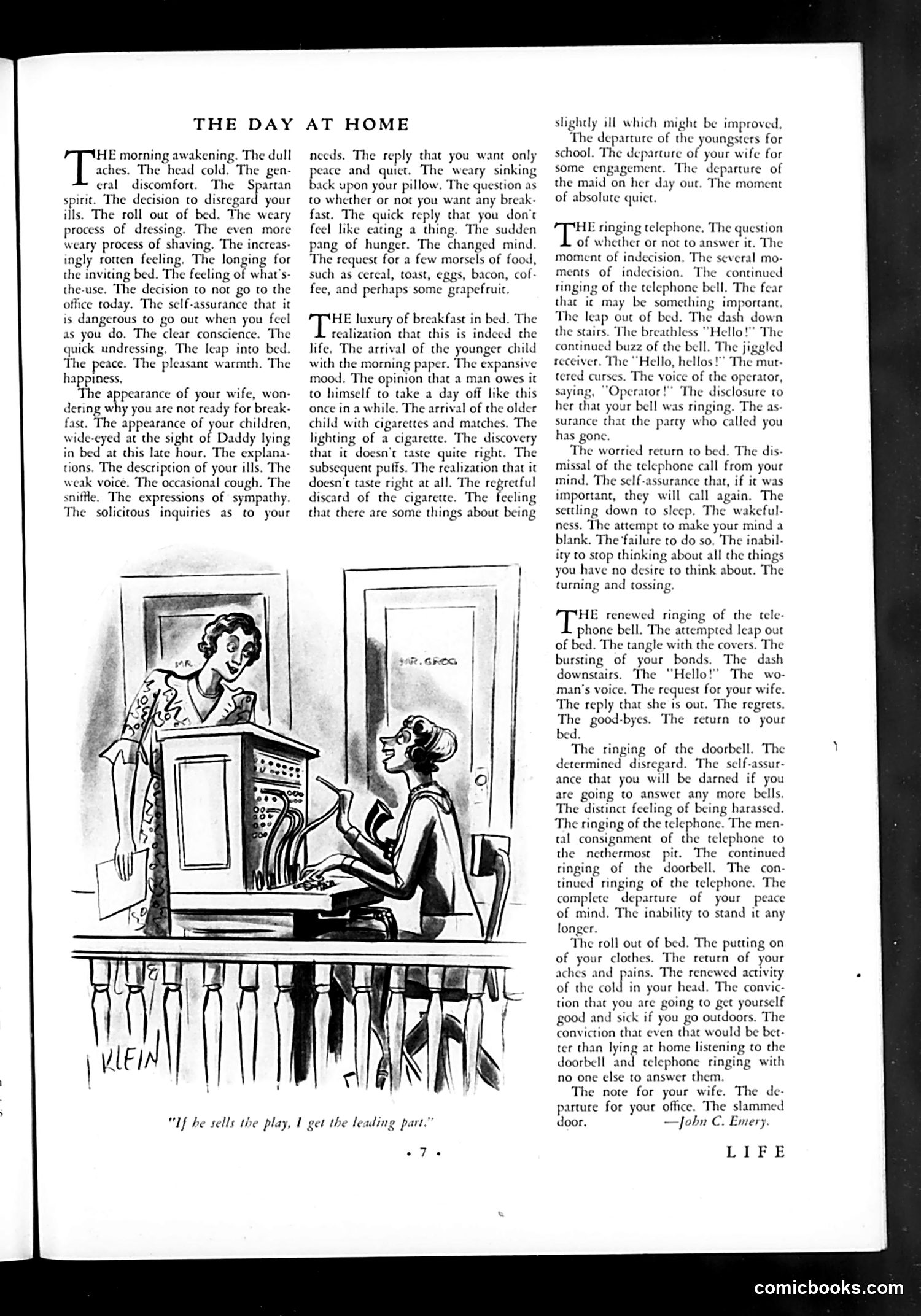
# "The Day at Home" - Life Magazine Satire This is a humorous essay by John C. Emery satirizing the domestic frustrations of a married man stuck at home. The cartoon illustrates the central complaint: a wife talking on the telephone while the husband sits idle beside her, with the caption "If he sells the play, I get the leading part." The satire mocks the contradiction between spouses' domestic roles—while the husband deals with constant interruptions (telephone calls, doorbells, children), his wife remains preoccupied with her own interests, casually announcing she'll assume credit for his professional success. The piece humorously catalogs the husband's mounting irritations: illness, unwanted visitors, incessant ringing, and his wife's indifference to his need for peace and quiet. It's a commentary on early 20th-century marriage dynamics and household power imbalances.
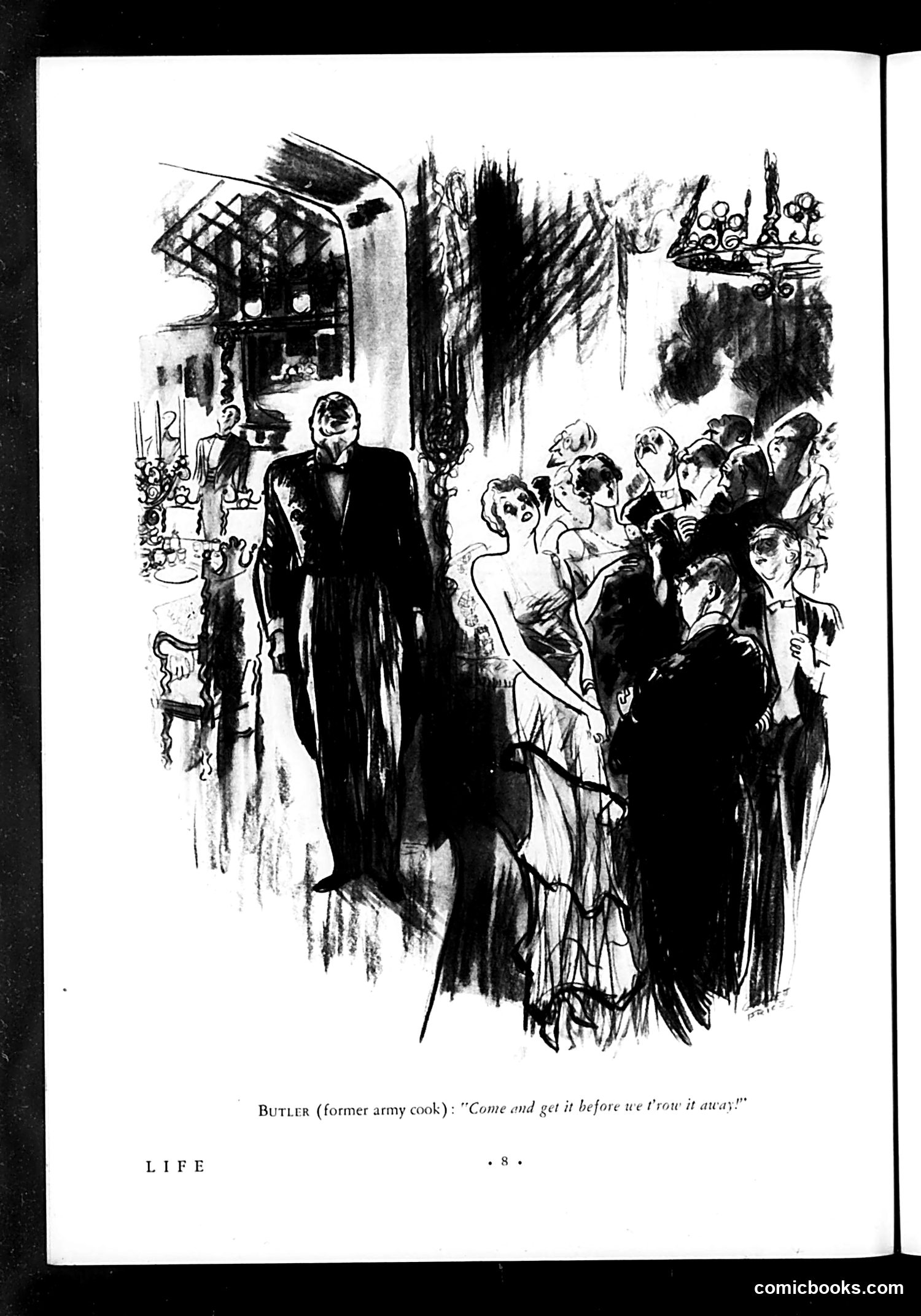
# Life Magazine Cartoon Analysis This is a single satirical cartoon captioned with dialogue from "Butler (former army cook)": *"Come and get it before we prow it away!"* The scene depicts an elegant formal party or social gathering. A tall, formally-dressed man (the butler) stands prominently in the center, addressing a crowd of well-dressed guests. The humor appears to target class distinctions and social pretension: a former military cook—traditionally a working-class position—is now serving at an upper-class social event, sarcastically urging the wealthy guests to eat quickly as though it were a military mess hall rather than refined entertainment. The satire mocks both the pretensions of high society and the incongruity of a working-class figure in that setting, using the familiar military phrase to underscore the contrast.
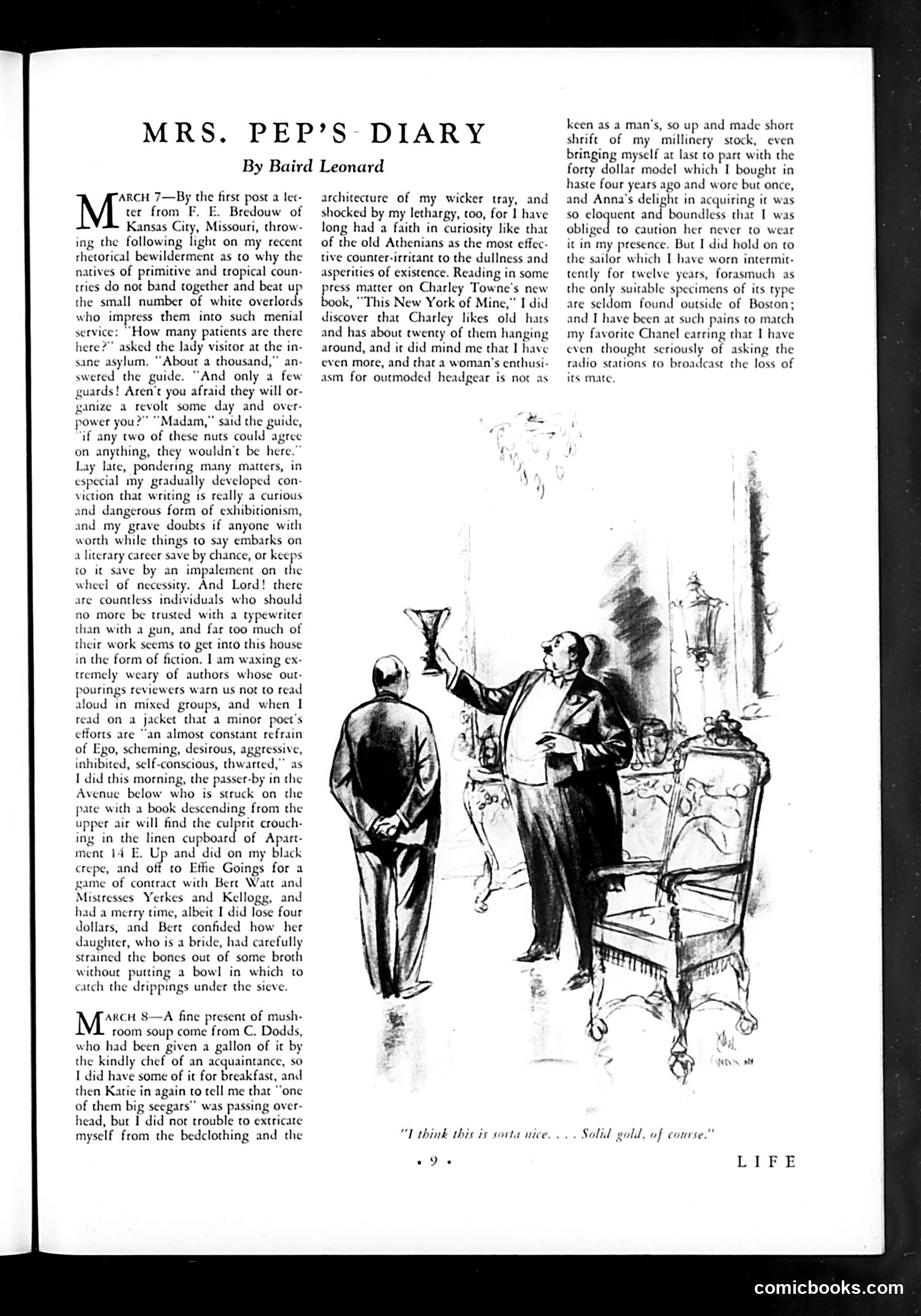
# Mrs. Pep's Diary Analysis This page from *Life* magazine presents a humorous diary entry by Baird Leonard mocking pretentious literary culture. The main illustration depicts two figures examining what appears to be solid gold objects—likely satirizing wealthy dilettantes collecting expensive artifacts. The diary text ridicules affectations common among New York's upper class: affected enthusiasm for obscure antiques, pretentious book clubs, and self-important amateur writers. The narrator describes authors' egos as tiresome and compares typewriter-wielding writers to dangerous figures like gunmen. The caption "I think this is worth nice. . . . Solid gold, of course" suggests mockery of nouveau-riche characters who value objects primarily for their monetary worth rather than genuine artistic merit—a common target of *Life*'s satire about American social pretension in the early 20th century.
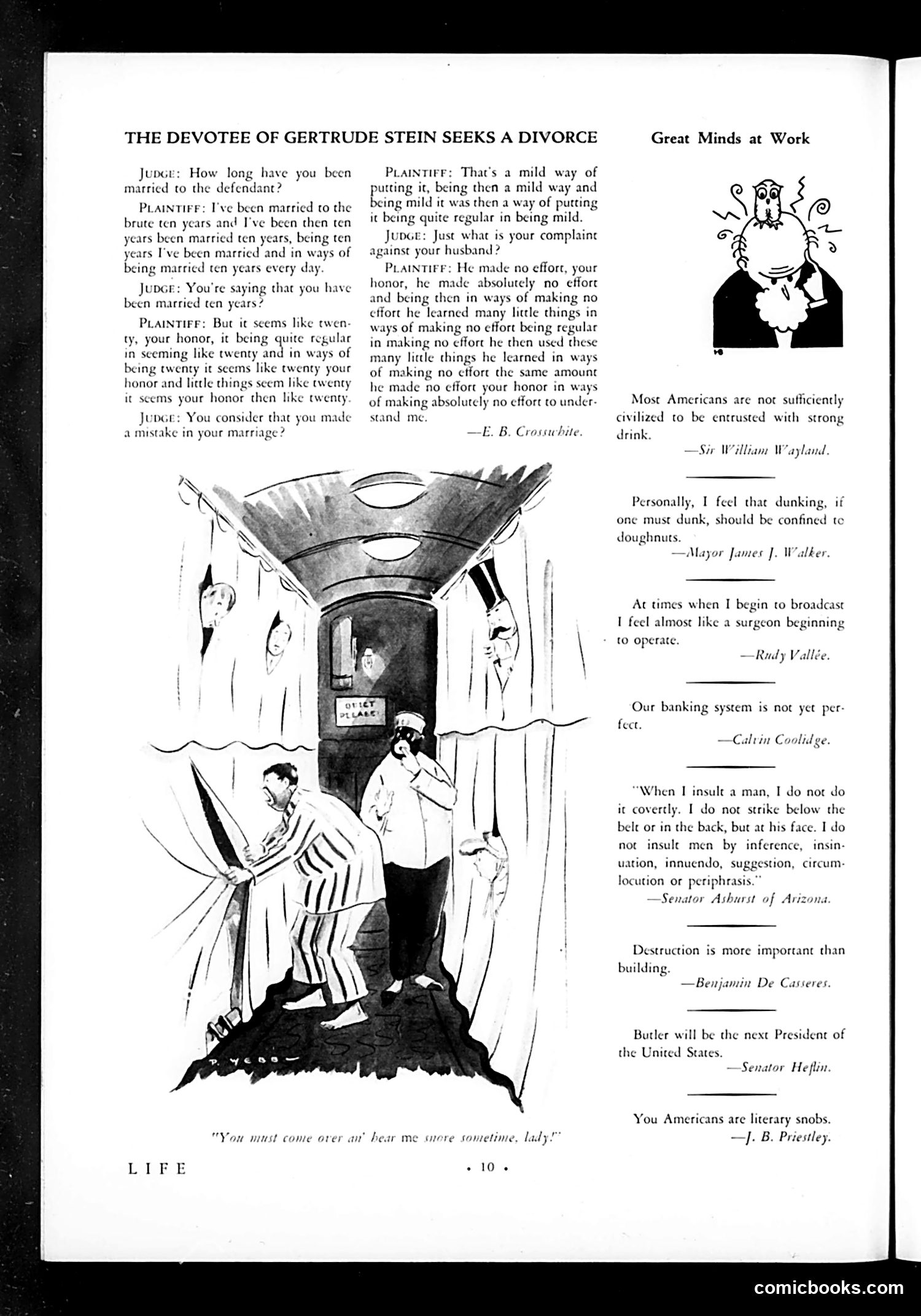
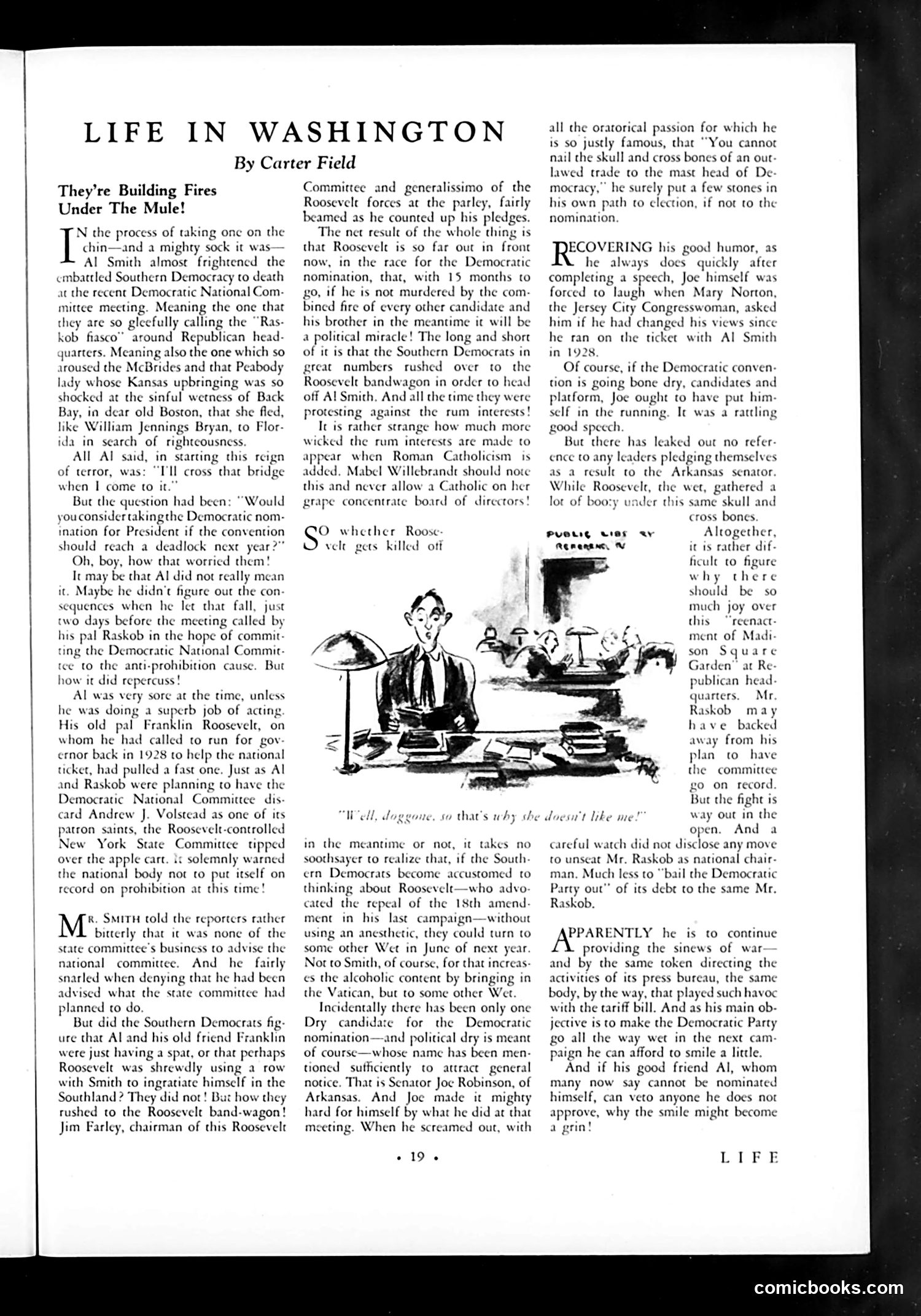
# Analysis This page from *Life* magazine contains two distinct elements: **Top Section:** A satirical courtroom dialogue mocking Gertrude Stein's divorce proceedings. The plaintiff complains her husband made "no effort" for twenty years; the judge repeatedly notes she keeps saying "twenty," finding her testimony circular and repetitive. This appears to parody both Stein's notoriously repetitive writing style and her actual marital situation, presenting her verbose complaint as absurdly circular logic. **Bottom Section:** A cartoon showing a man entering what appears to be an elevator or confined space with several other figures. The caption reads "You must come over an' hear me swear sometime, lady!" The joke's exact meaning is unclear without additional context, though it likely satirizes social pretension or manners. **Right margin:** Quotes from various public figures offering pronouncements on contemporary issues (drinking, banking, insults), presented as satirical "great minds."